Observatory Origins
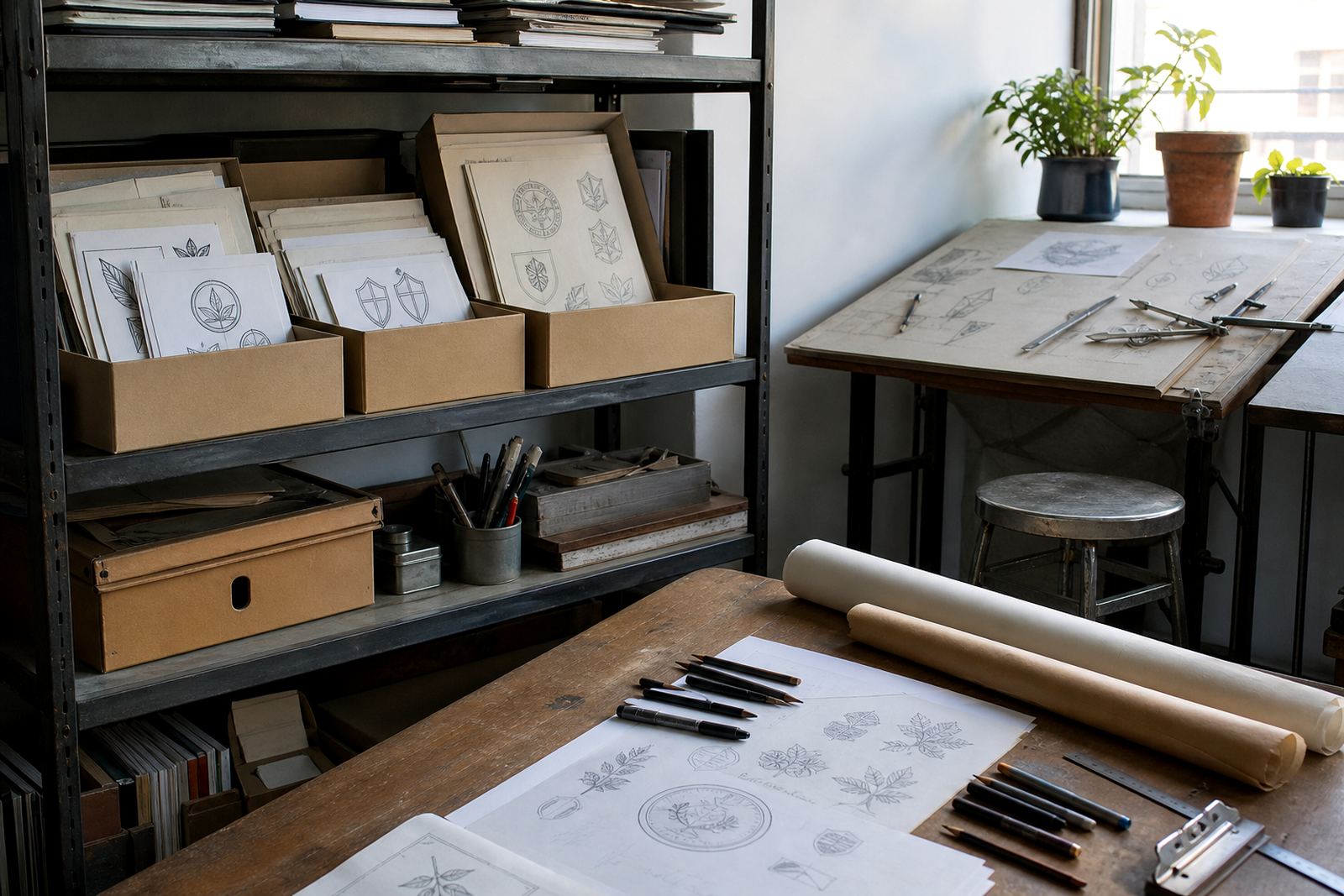
Vectorization Studio began in 1994 in Observatory, Cape Town, when local businesses started bringing in logos that could not be used properly in print, on signs, or in digital layouts. Often the source was a tiny image, a worn scan, or artwork that had been copied too many times. The early work was careful and hands-on, with close attention to shape, spacing, and the way a mark would behave once it left the screen.
The studio’s first focus was practical: turn troublesome artwork into files that designers, printers, and sign writers could use without hassle. That meant rebuilding curves, sharpening edges, and choosing the right format for the job. From the beginning, the work was shaped by production needs rather than decoration, because a logo has to function cleanly in the real world before it can be admired.
Craft Built Through Use
As the work grew, the process became more defined. Each job began with a look at the supplied artwork, the intended application, and the condition of the original file. A mark destined for a small label needed different handling from one for a building sign or packaging artwork. That early assessment helped reduce later changes and gave clients a clear idea of what the redraw would involve.
The craft also deepened through repeated problem solving. Some logos could be rebuilt well with tracing methods when the original was clean and uncomplicated. Others needed a full hand redraw because the artwork was damaged, blurry, or too complex to trust to automated tools. Over time, the studio developed a steady approach that balanced speed with accuracy and kept the output fit for production.
Artwork With Permission
Many customers arrive with practical needs rather than a design brief. They may be businesses with old branding, organisations managing inherited artwork, or teams preparing material for print, signage, packaging, or online use. Some need a cleaner version of a familiar logo, while others need an illustration adjusted for a new format. The common thread is that the artwork has to be usable, clear, and ready for the supplier’s requirements.
The studio also works with a clear view of ownership and permission. If a client brings in existing artwork, the right to use it must be in place before redraw work begins. That principle protects both the client and the studio, and it shapes how each enquiry is handled. The goal is not only to improve a file, but to make sure the final artwork can be used with confidence.
From Cape Town Outward
Although the studio is rooted in Observatory, its work has reached businesses in many parts of South Africa. The needs are varied, but the same practical standards apply wherever the client is based. Files must be clear, editable where needed, and prepared in a way that supports different suppliers without confusion. That consistency matters just as much for a local shop as for a company working across several locations.
This wider reach has also shaped the studio’s understanding of how artwork is used in practice. Some clients need files for print only, while others need versions that work across web, signage, packaging, and social media. The studio responds by keeping the artwork neat, portable, and technically sound, so it can move easily between designers, printers, and production teams without losing quality.
Today’s Working Structure
The team works with clear roles and a practical flow. Enquiries are reviewed, source files are assessed, and the best redraw method is chosen before the artwork is rebuilt. That structure helps the studio handle jobs efficiently without losing the careful detail that logo redraw work demands. Communication remains part of the process throughout, so clients know what is happening and what the finished file will support.
Quality control is built into the workflow rather than added at the end. Curves, joins, line weight, spacing, and file behaviour are checked before delivery. The finished output is prepared for real use, whether that means a printer, a sign maker, or a designer opening the artwork for further work. The team treats usefulness as part of the craft, not an afterthought.
Standards The Studio Won’t Bend
Vectorization Studio does not compromise on accuracy. If the source artwork is poor, the answer is not to force a weak result into place, but to rebuild it properly. The team will choose tracing only where it is suitable, and will hand redraw when the shape, detail, or condition of the artwork demands it. That discipline helps preserve the integrity of the original mark while making it production ready.
The studio also refuses to treat artwork as finished until it is fit for purpose. A file must be clean, usable, and prepared with the end use in mind. Whether the job is a logo redraw, a brand illustration, or a file conversion for production, the aim is the same: deliver artwork that performs well in print, on screen, and in the hands of suppliers. That standard defines the business today.