

What Studio Notes Covers
Studio Notes is our practical hub for business owners, marketers and print buyers who need artwork that holds up across signage, labels, uniforms and digital use. The articles break down the difference between a quick trace and a proper redraw, when a hand-drawn illustration is the better option, and how to prepare artwork for printers in South Africa.
We also cover the file types people ask for most often, including SVG, EPS, PDF and AI, plus when each one is useful. If you are comparing options for a logo update or a full illustration brief these notes help you choose with less guesswork.
How To Choose Between Redraw And Illustration
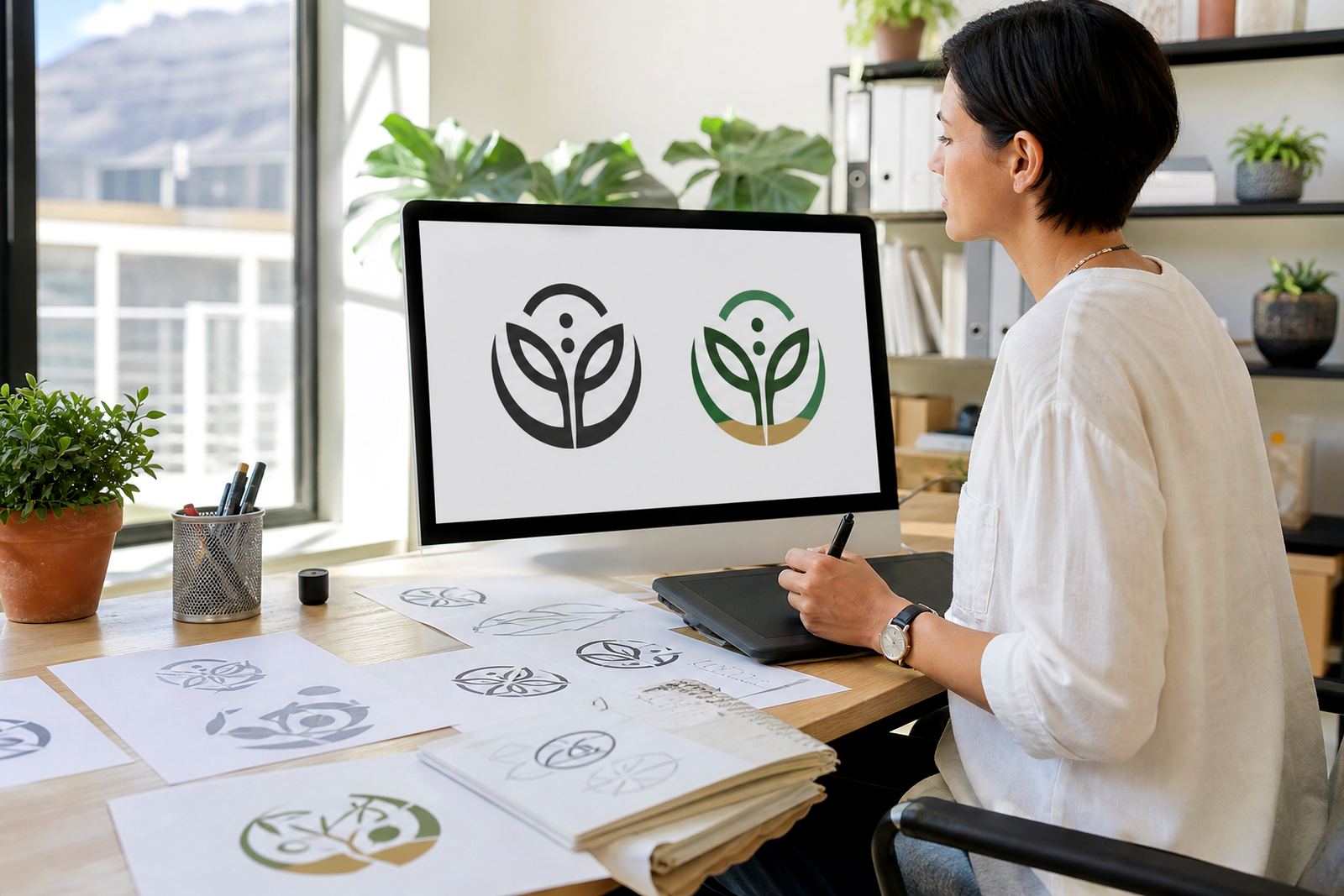
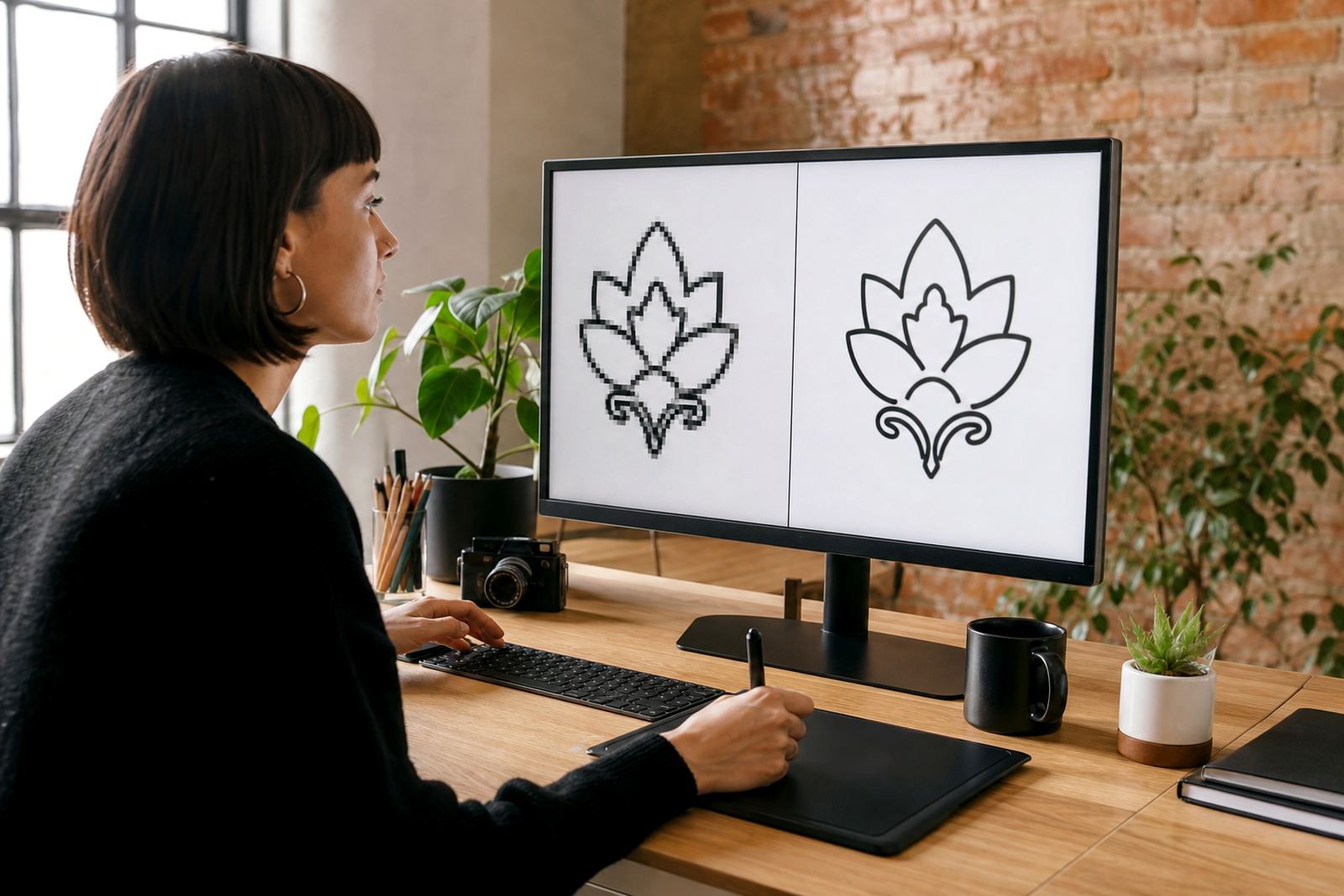
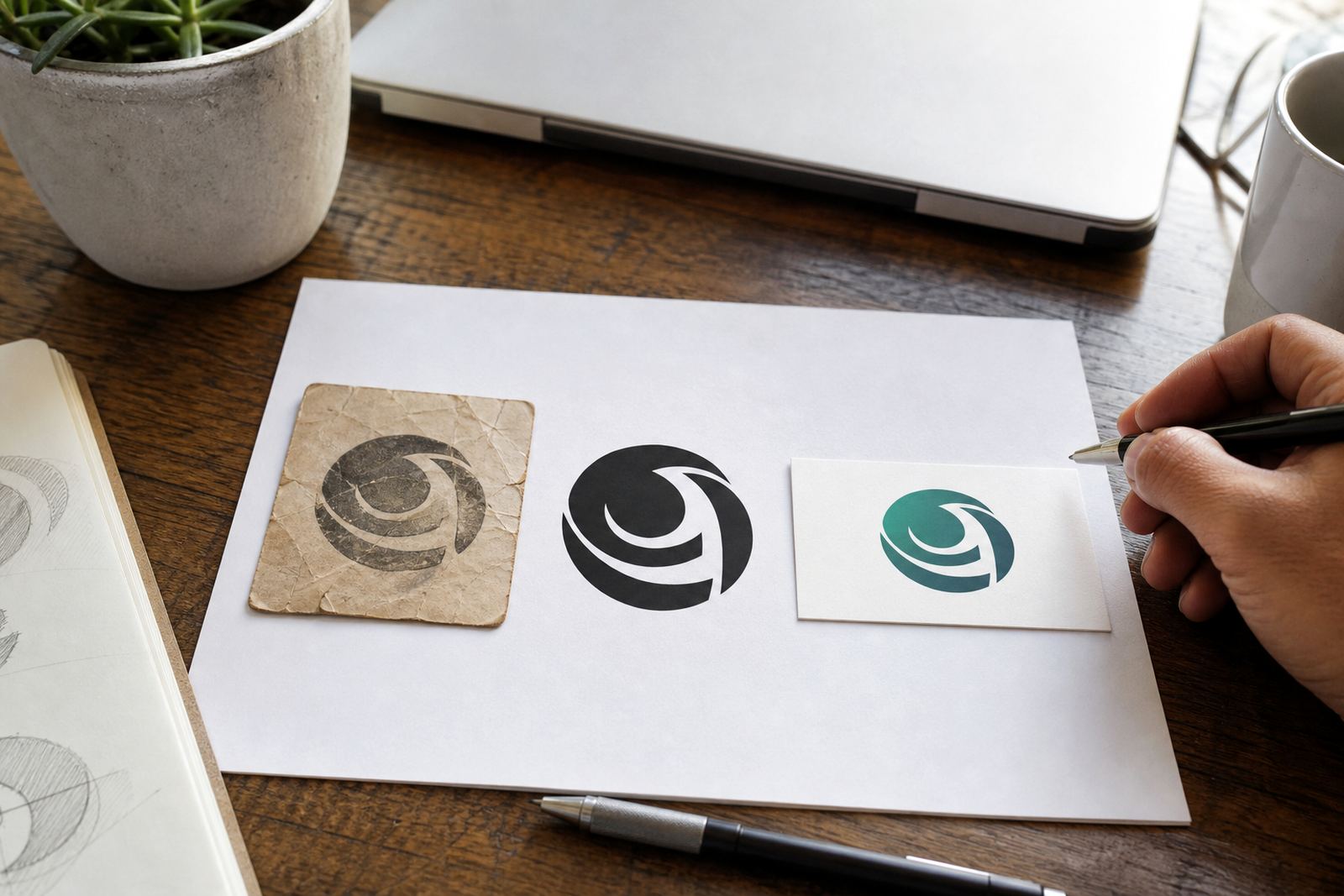
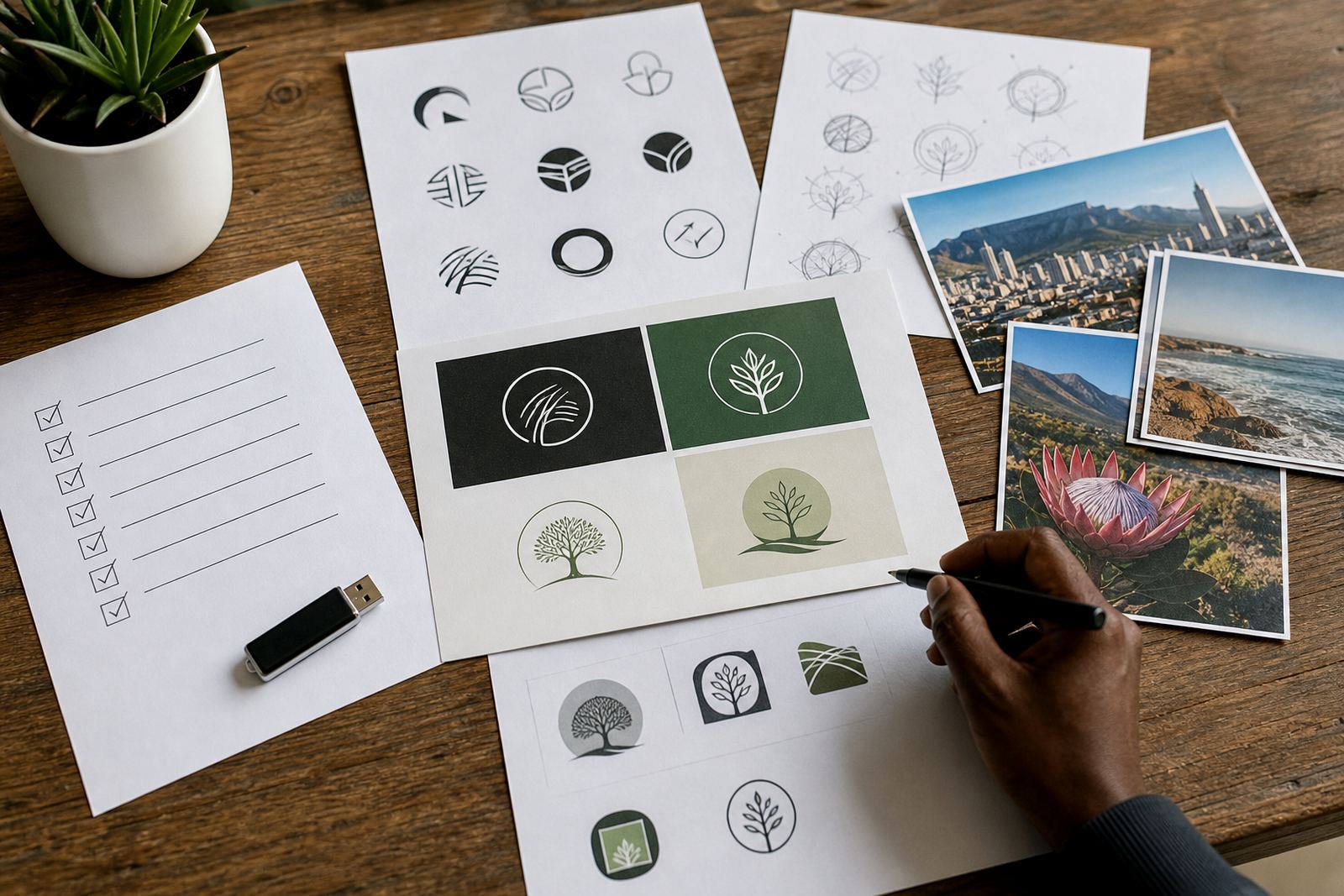
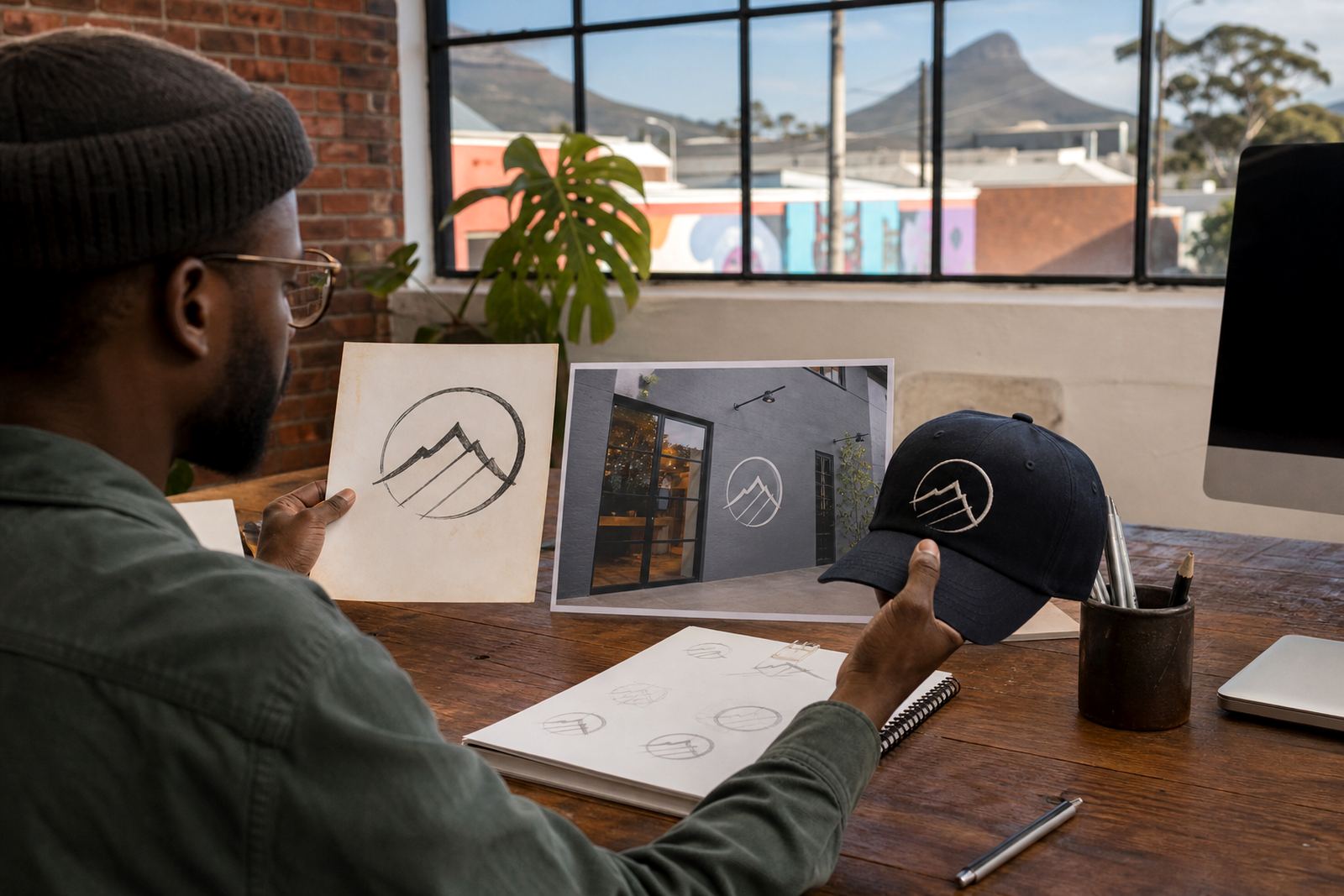
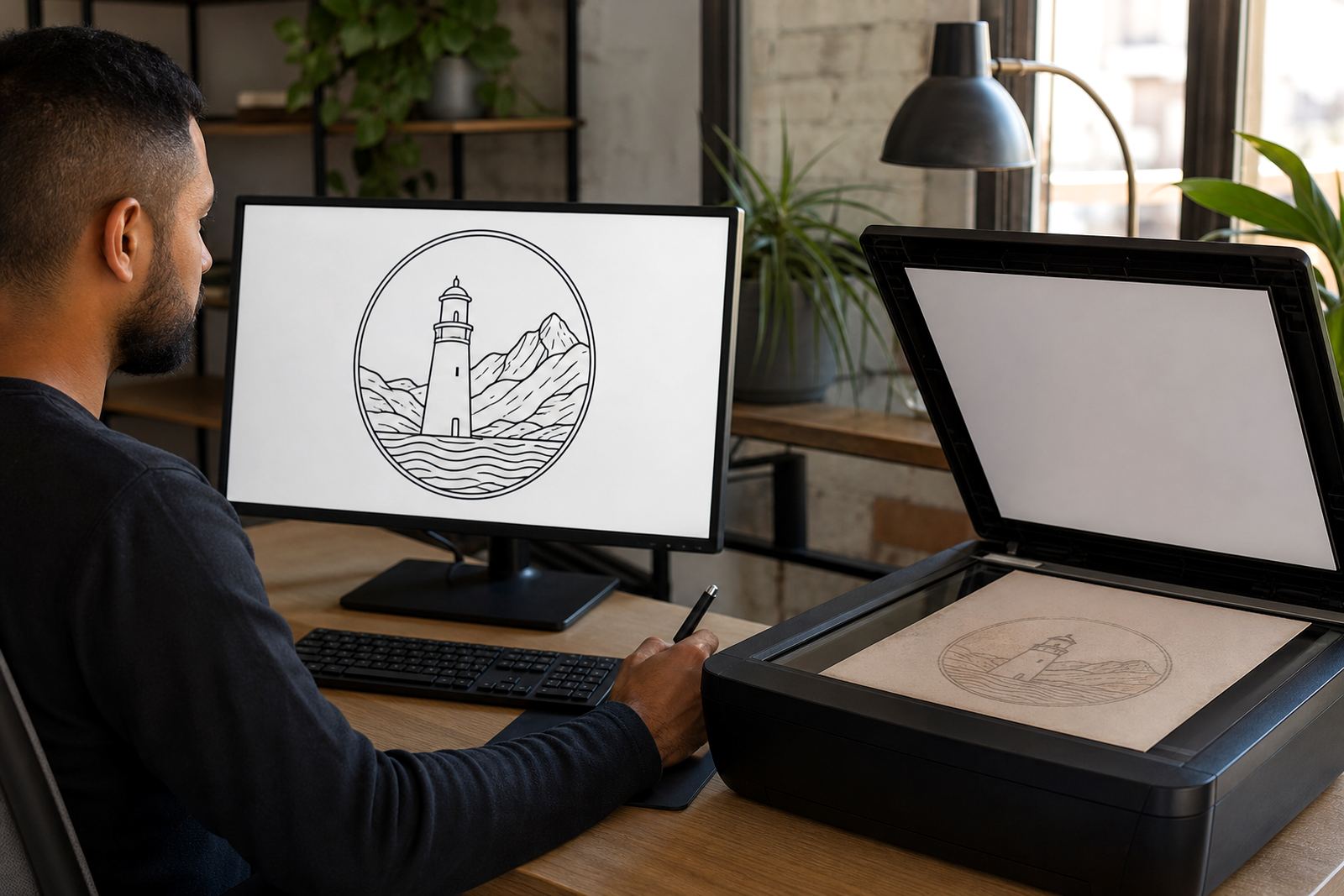
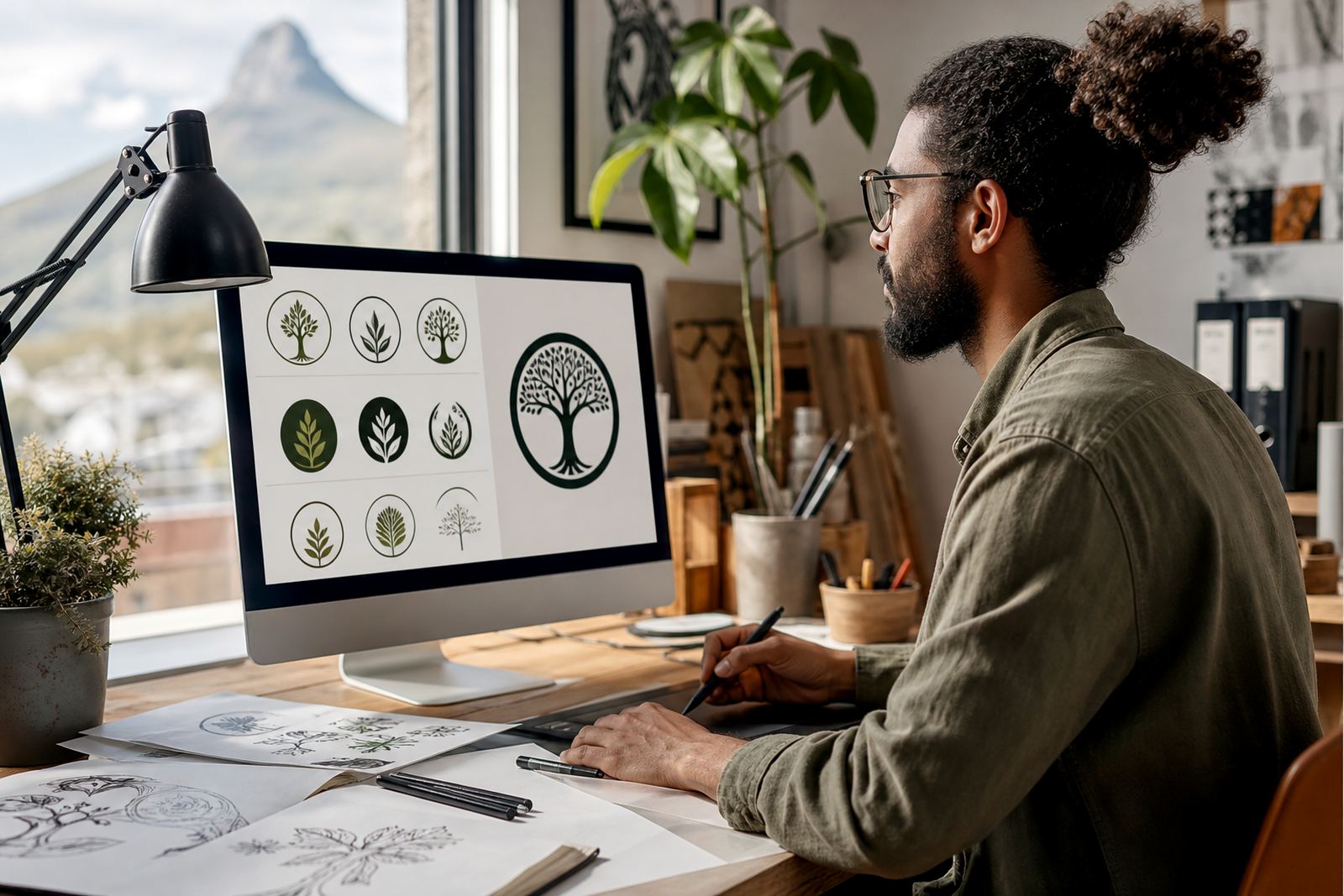
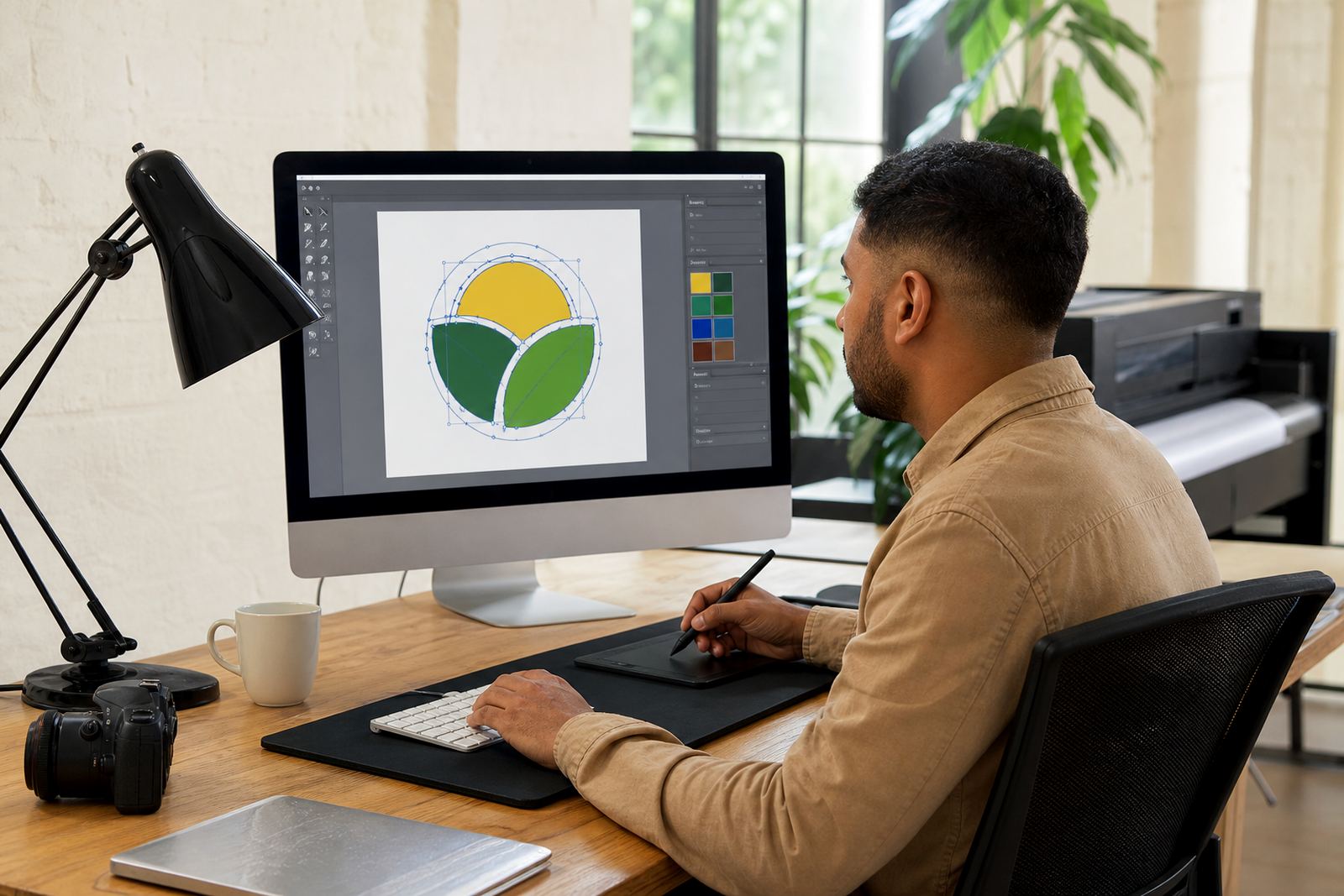
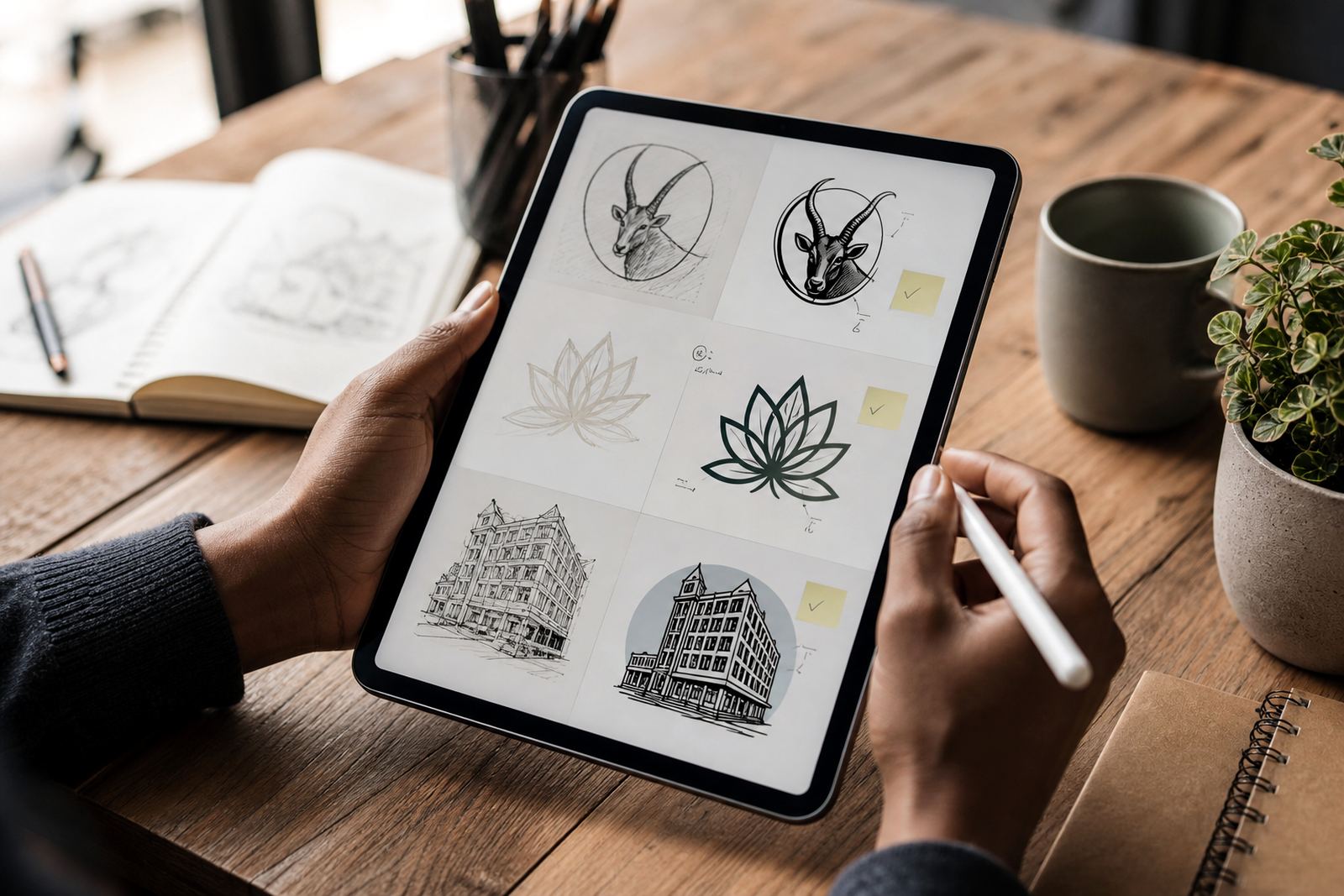
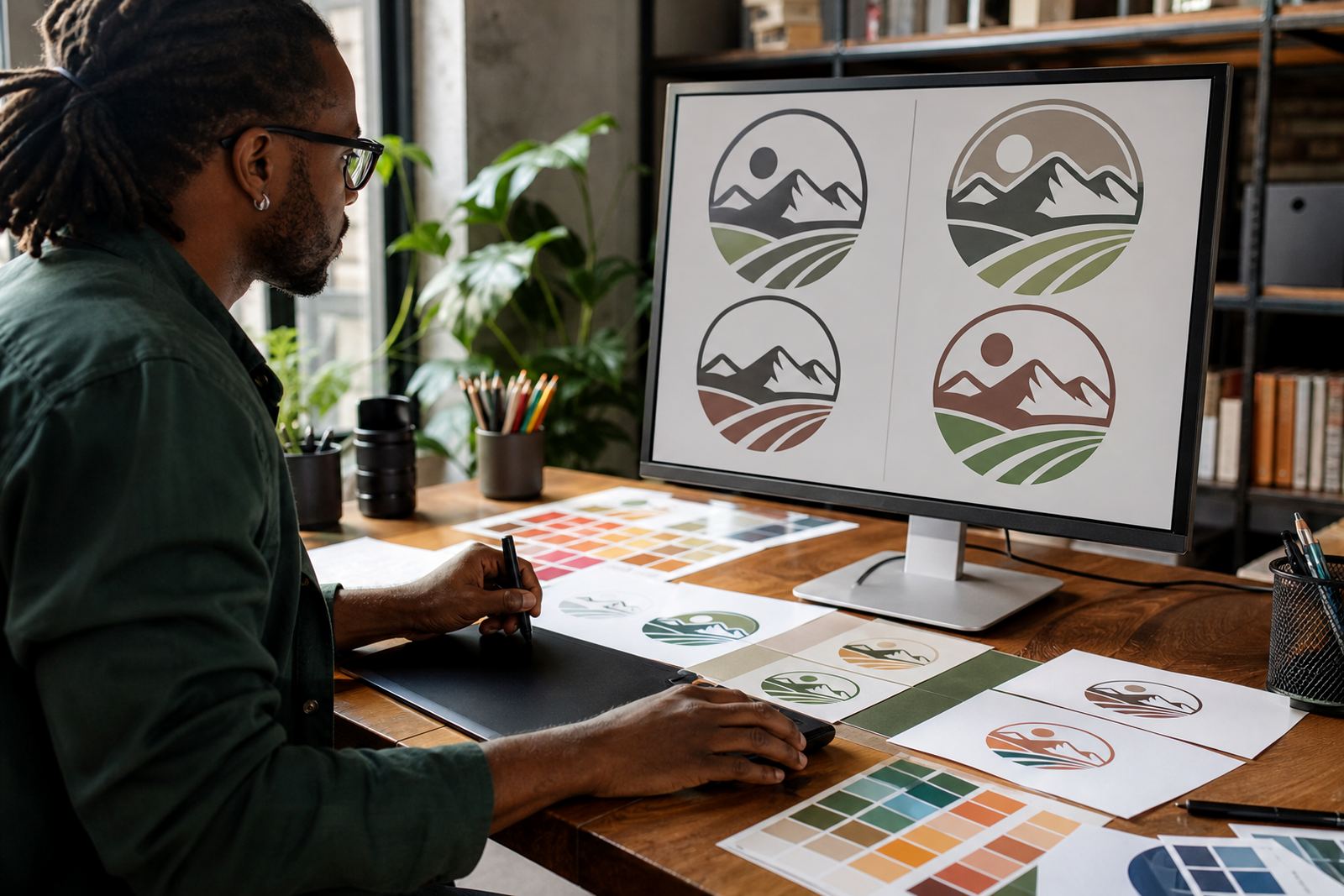
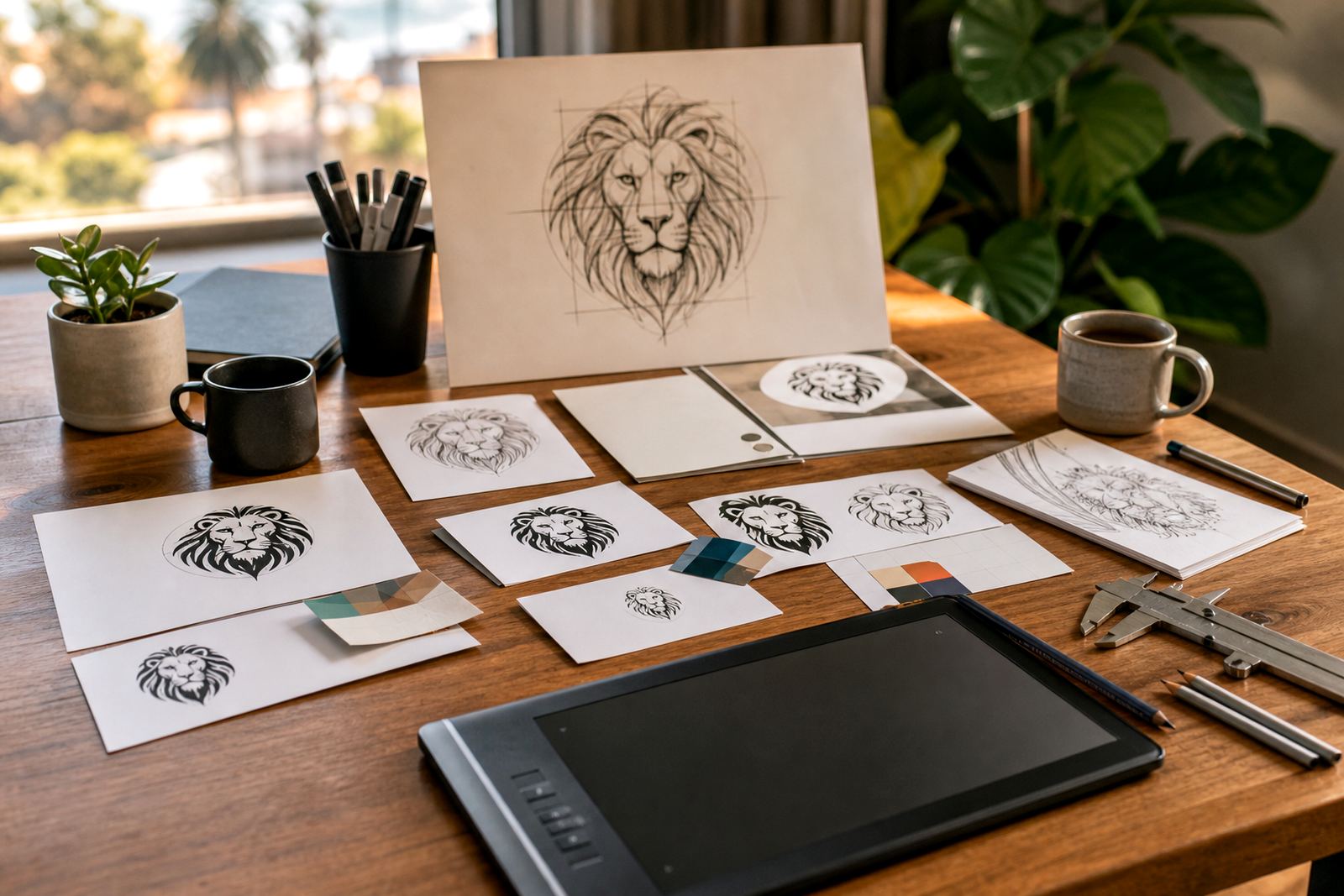
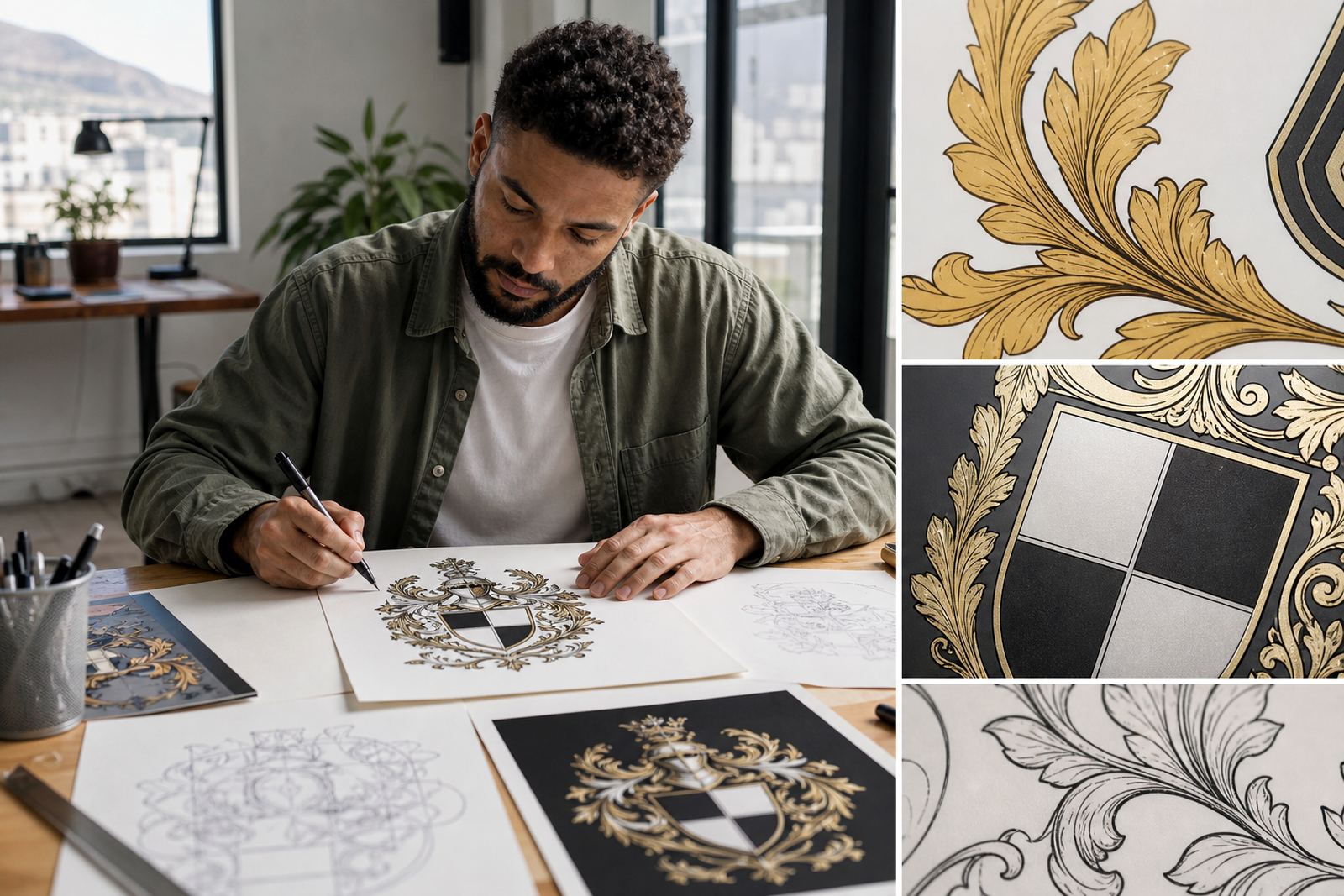
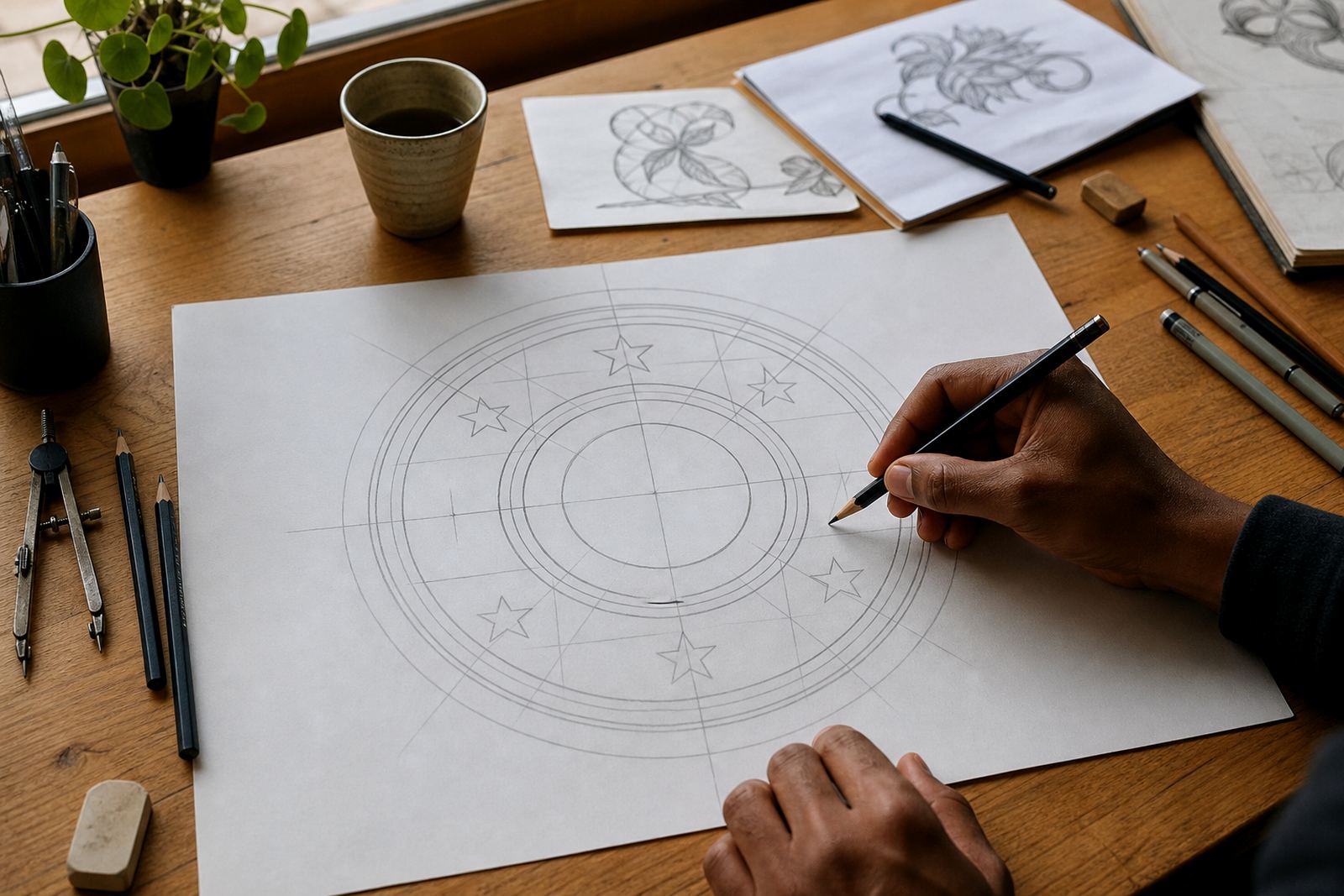
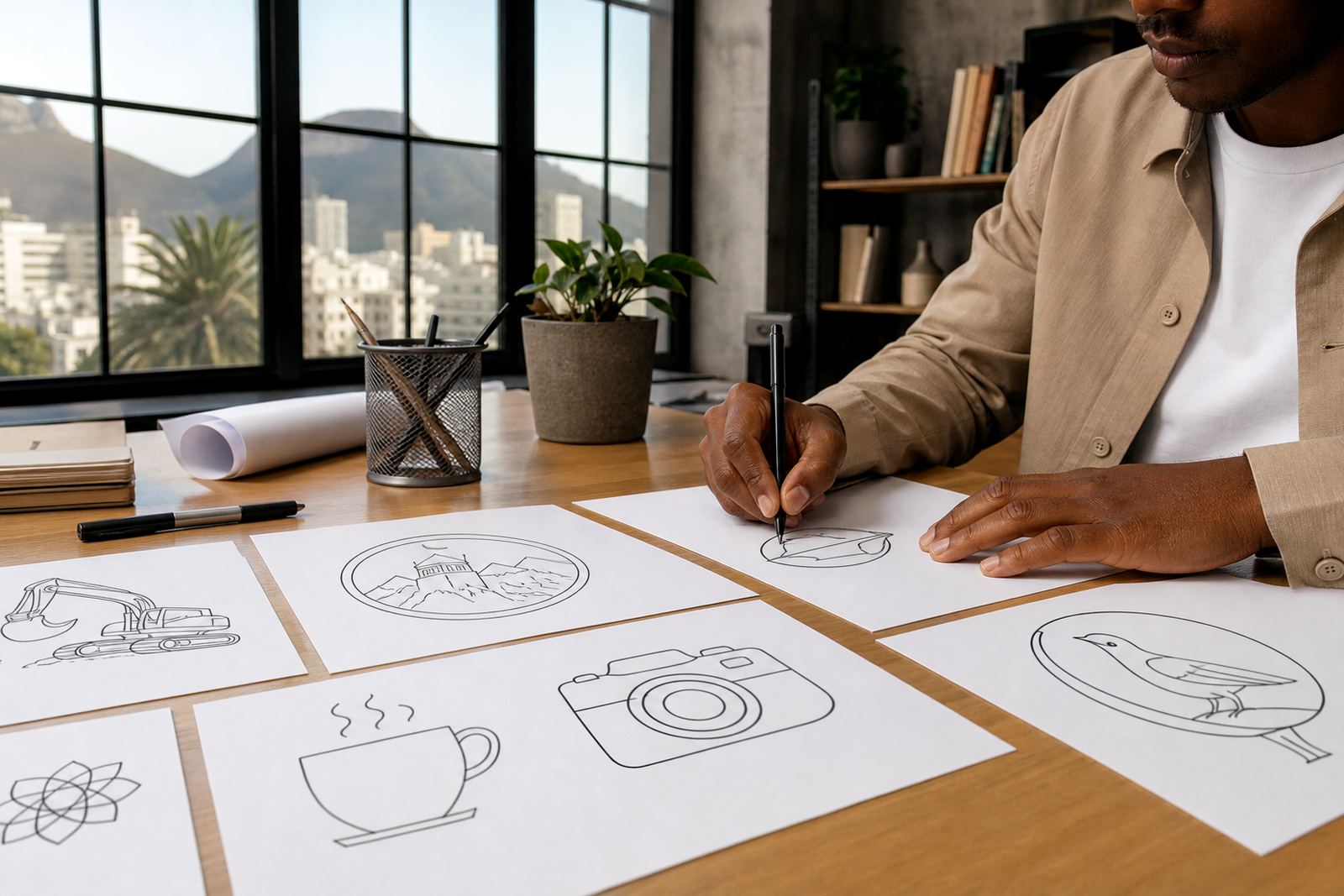
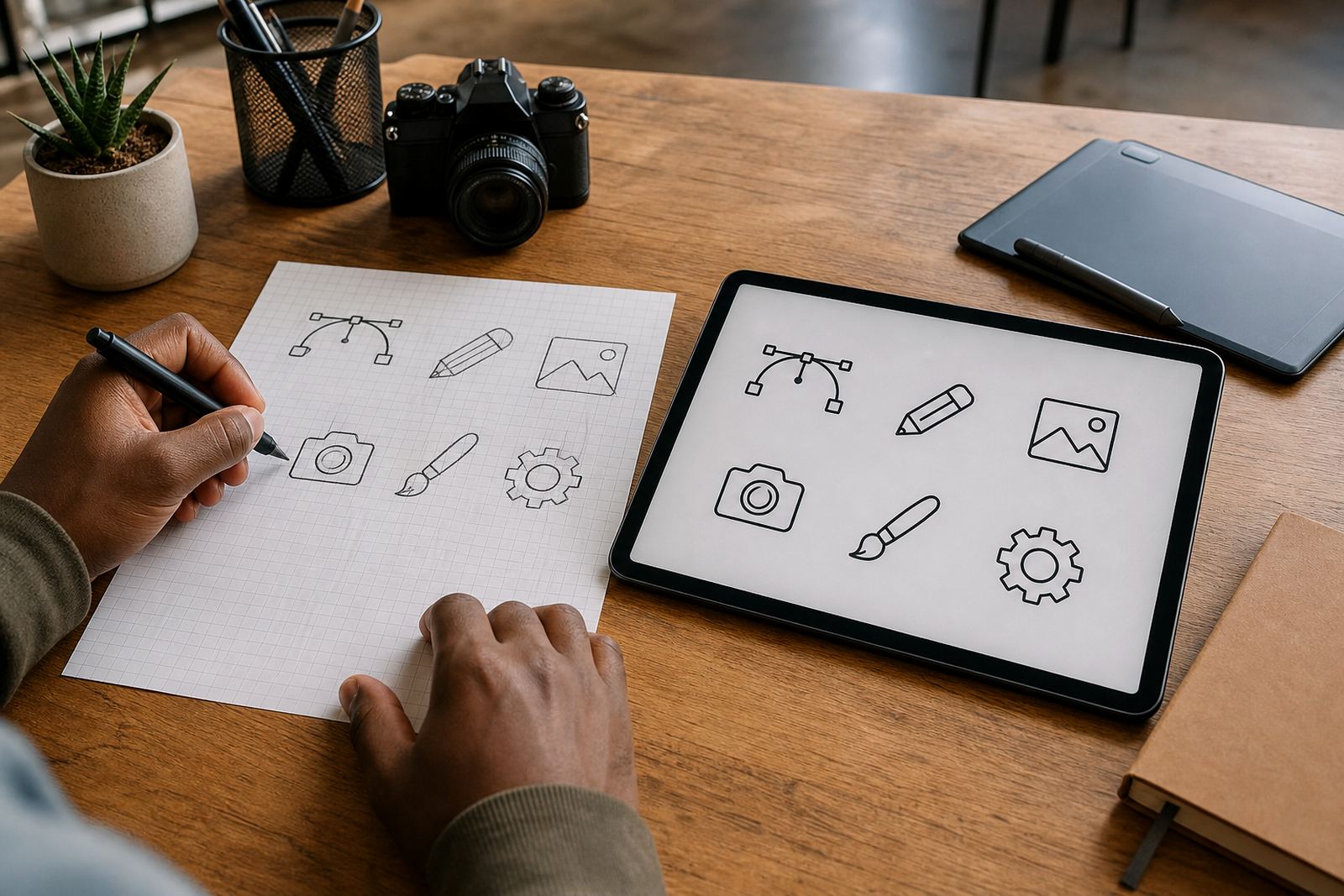
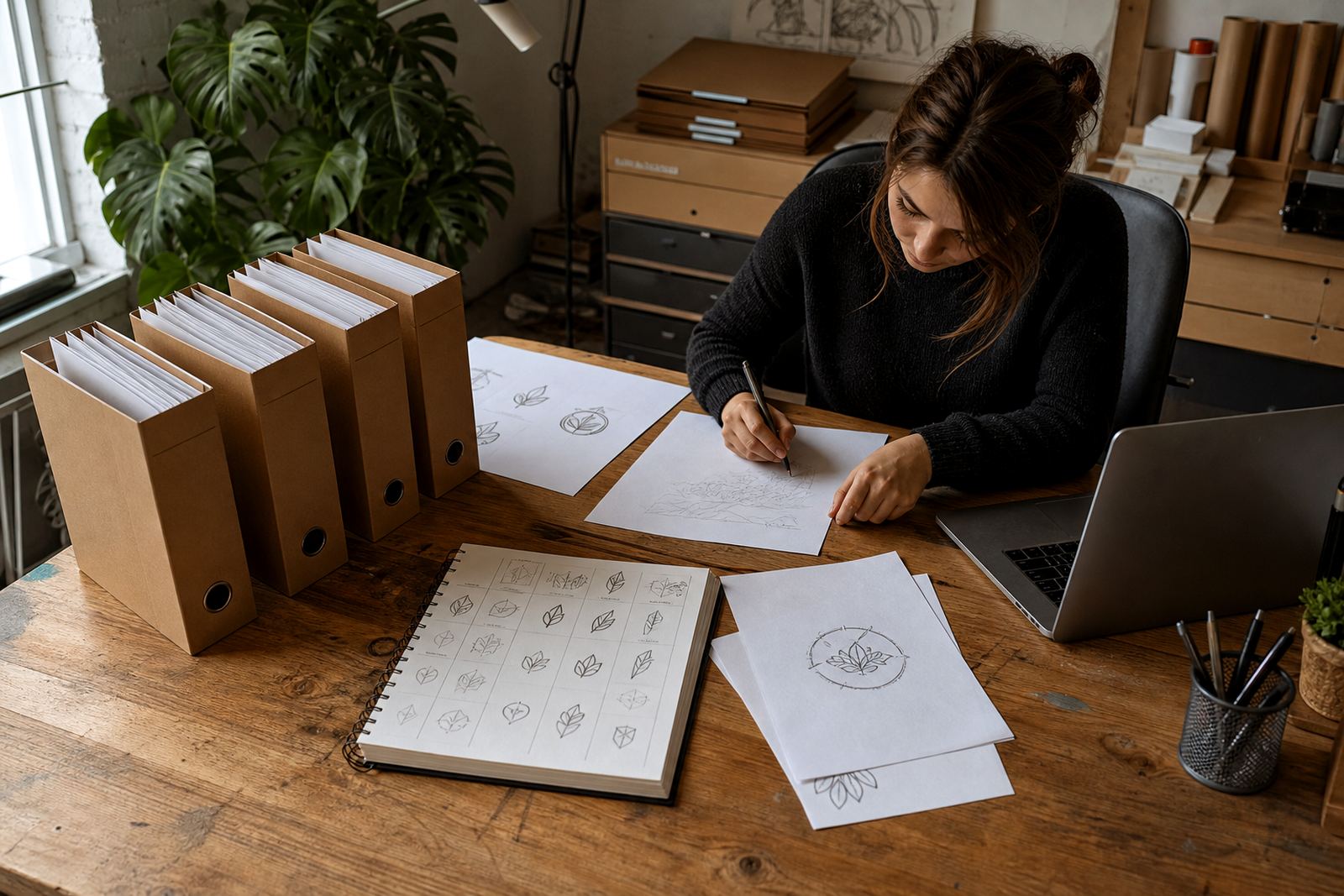
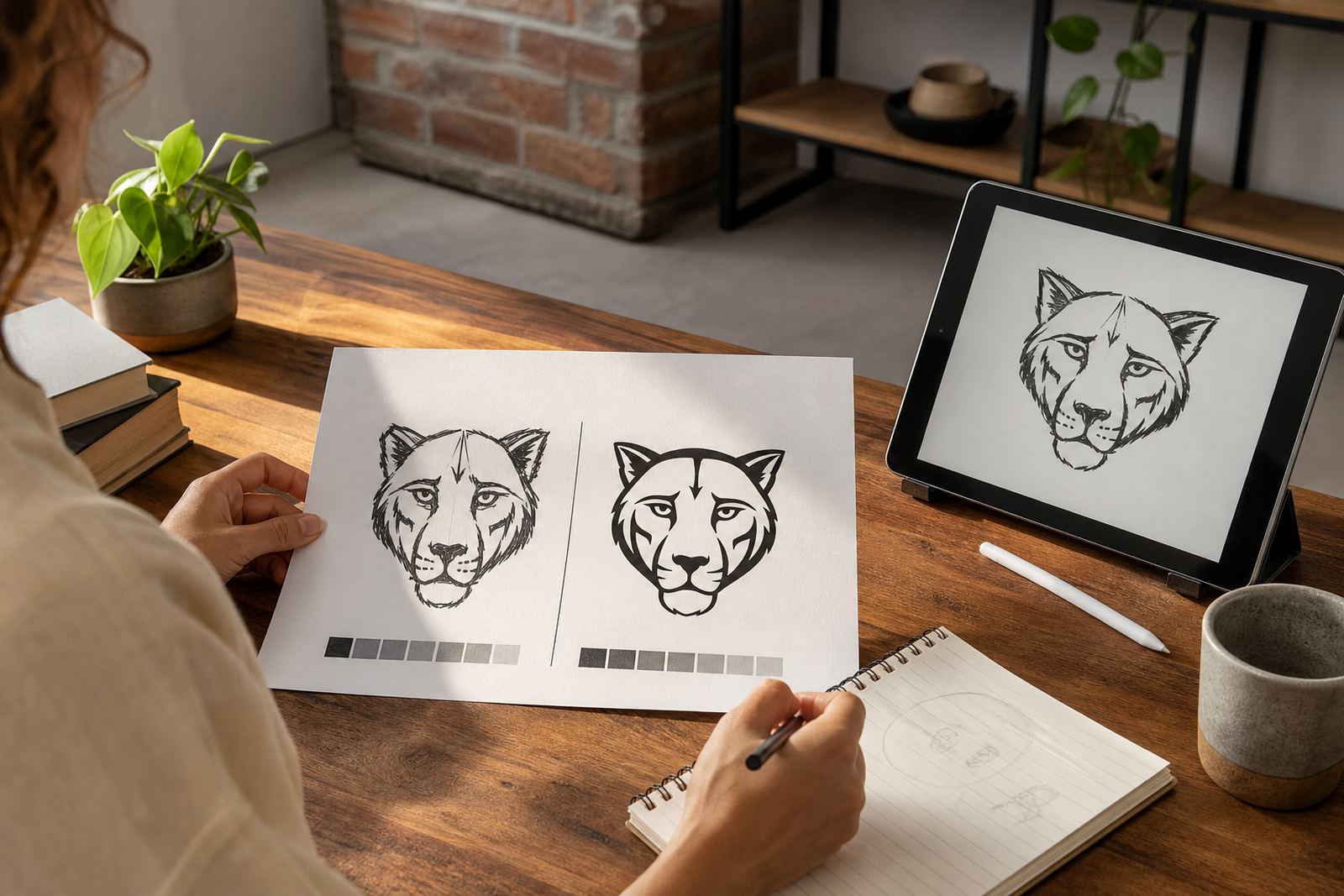
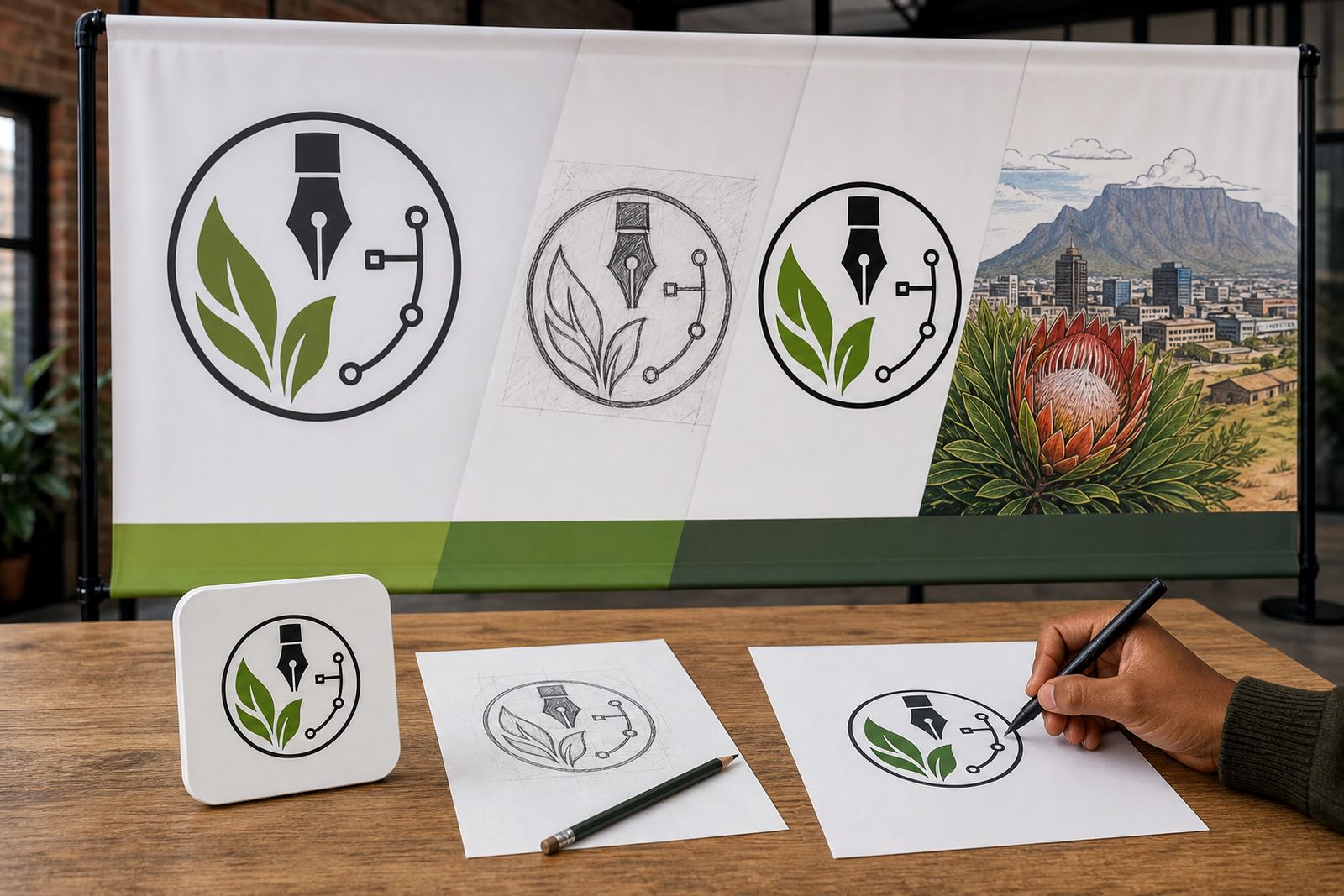
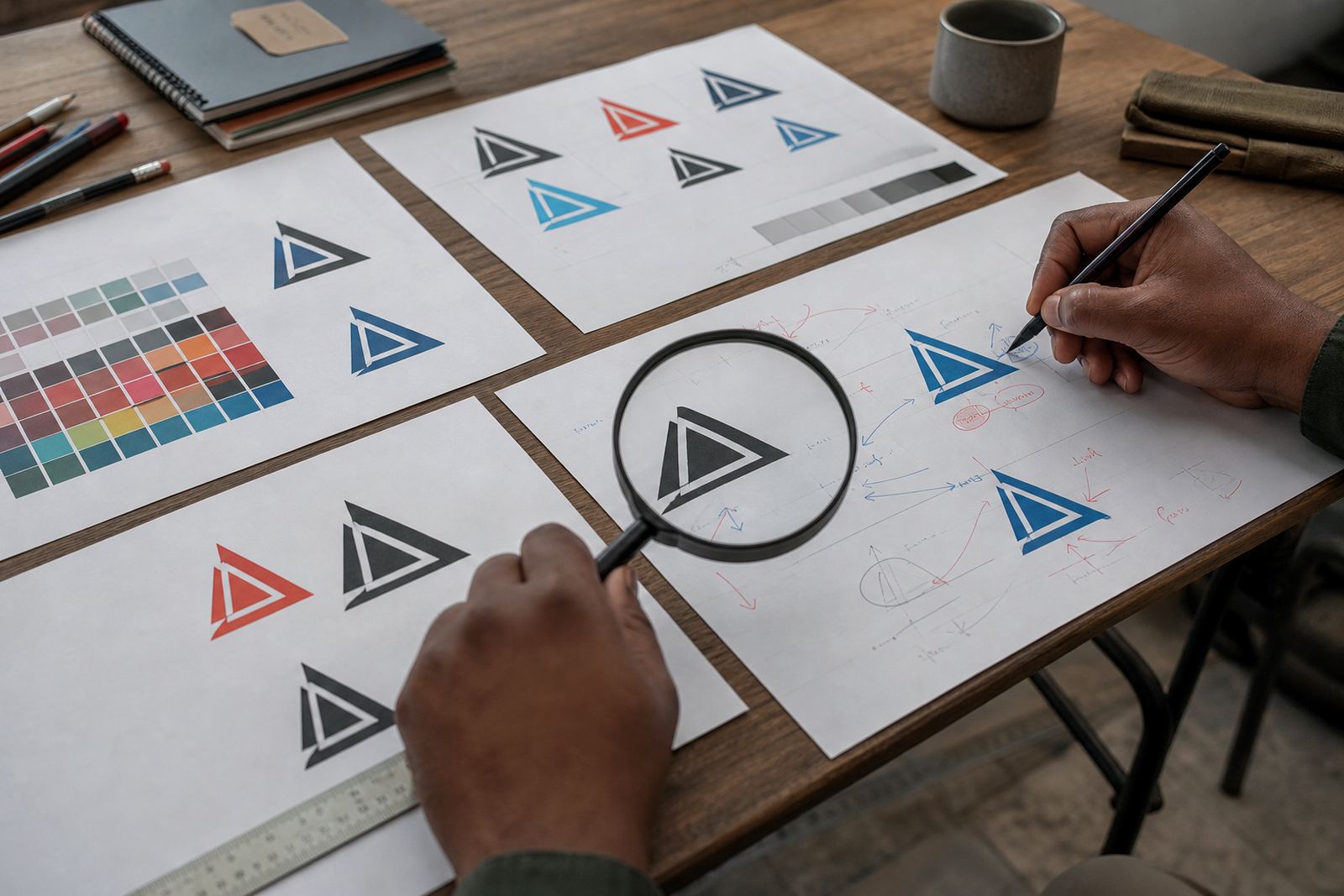
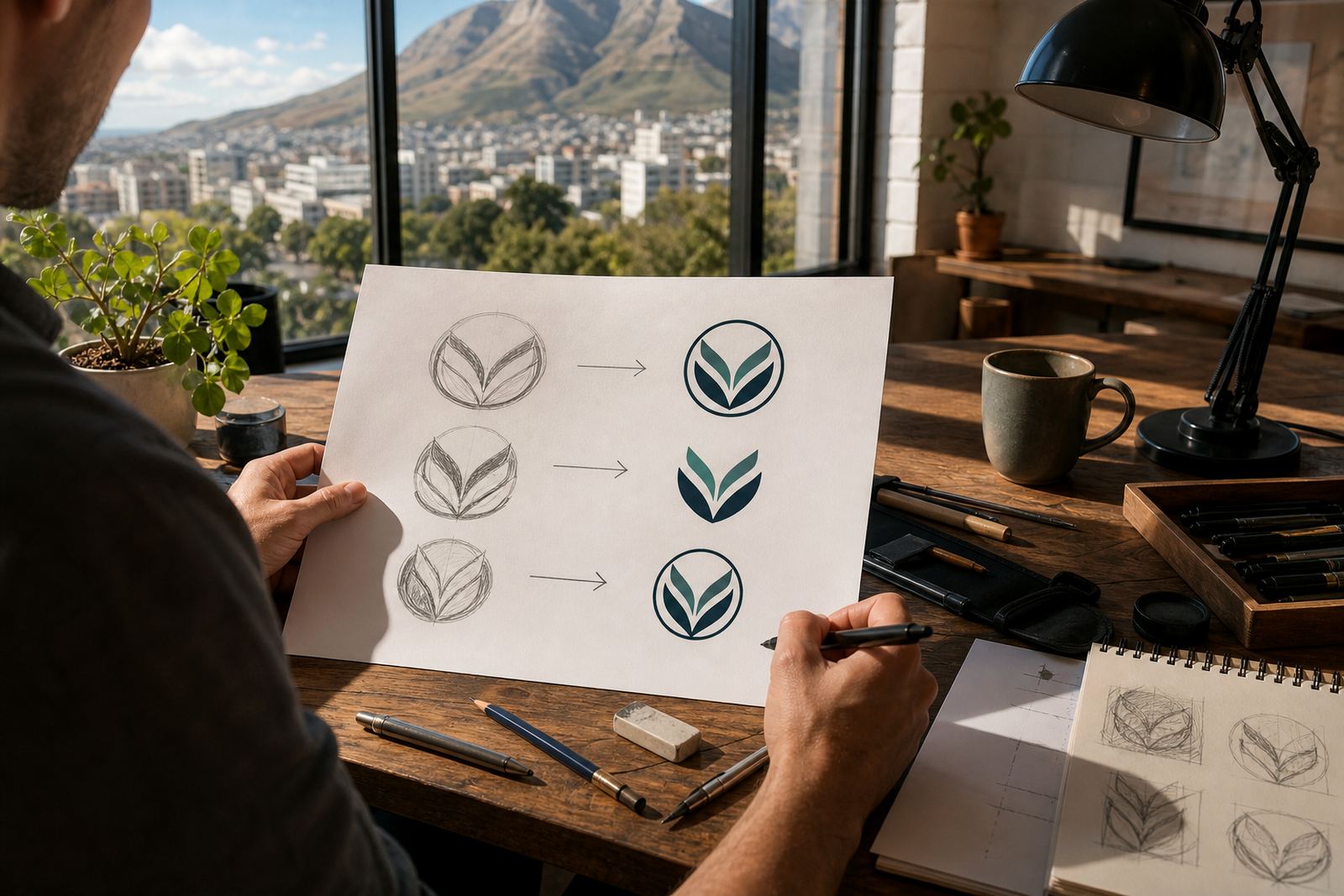
A logo redraw is best when the original artwork is weak, blurry or stuck in the wrong format. A hand redraw rebuilds the logo with clean lines, better spacing and proper vector paths so it can be scaled for a van door or a small label without losing quality.
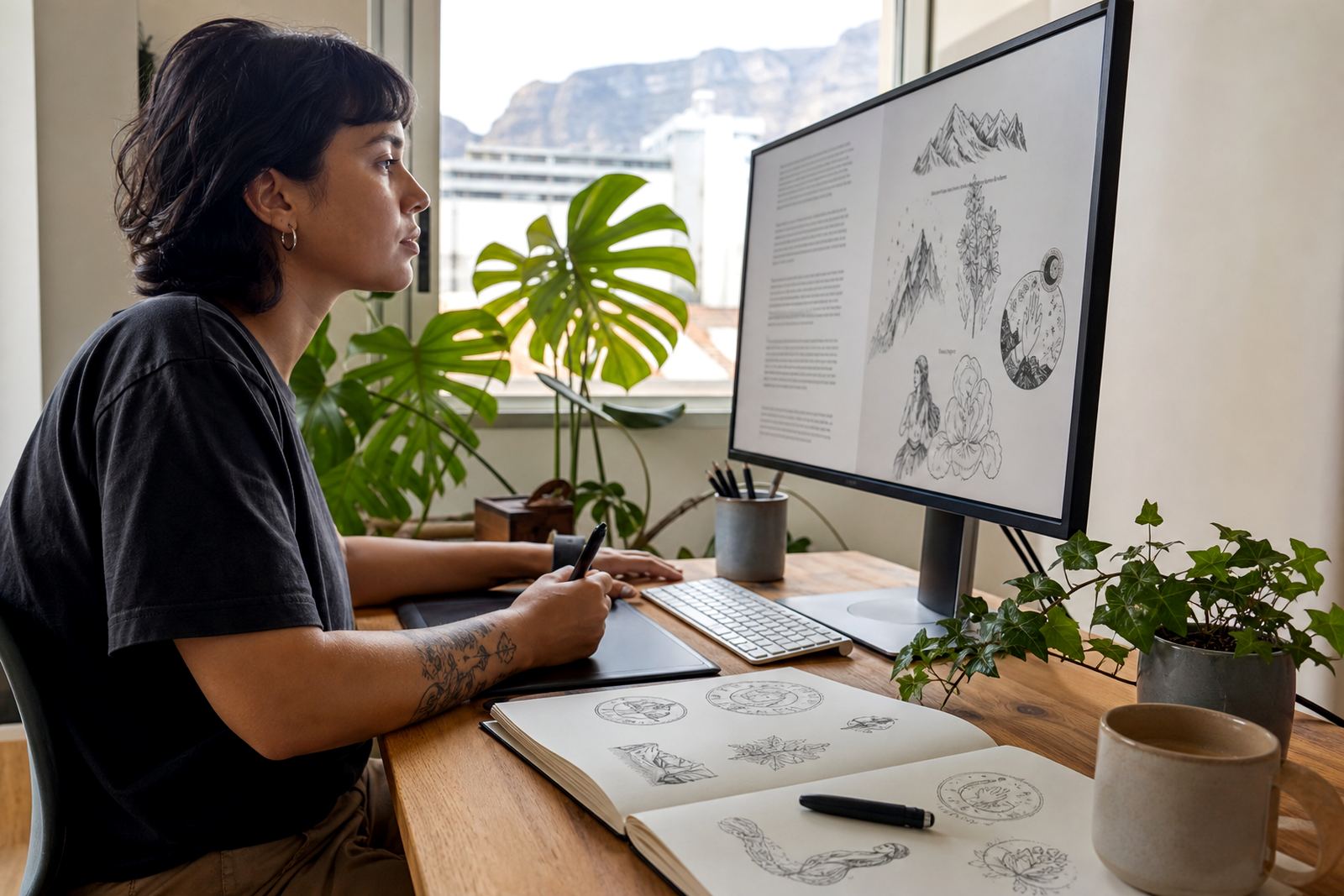
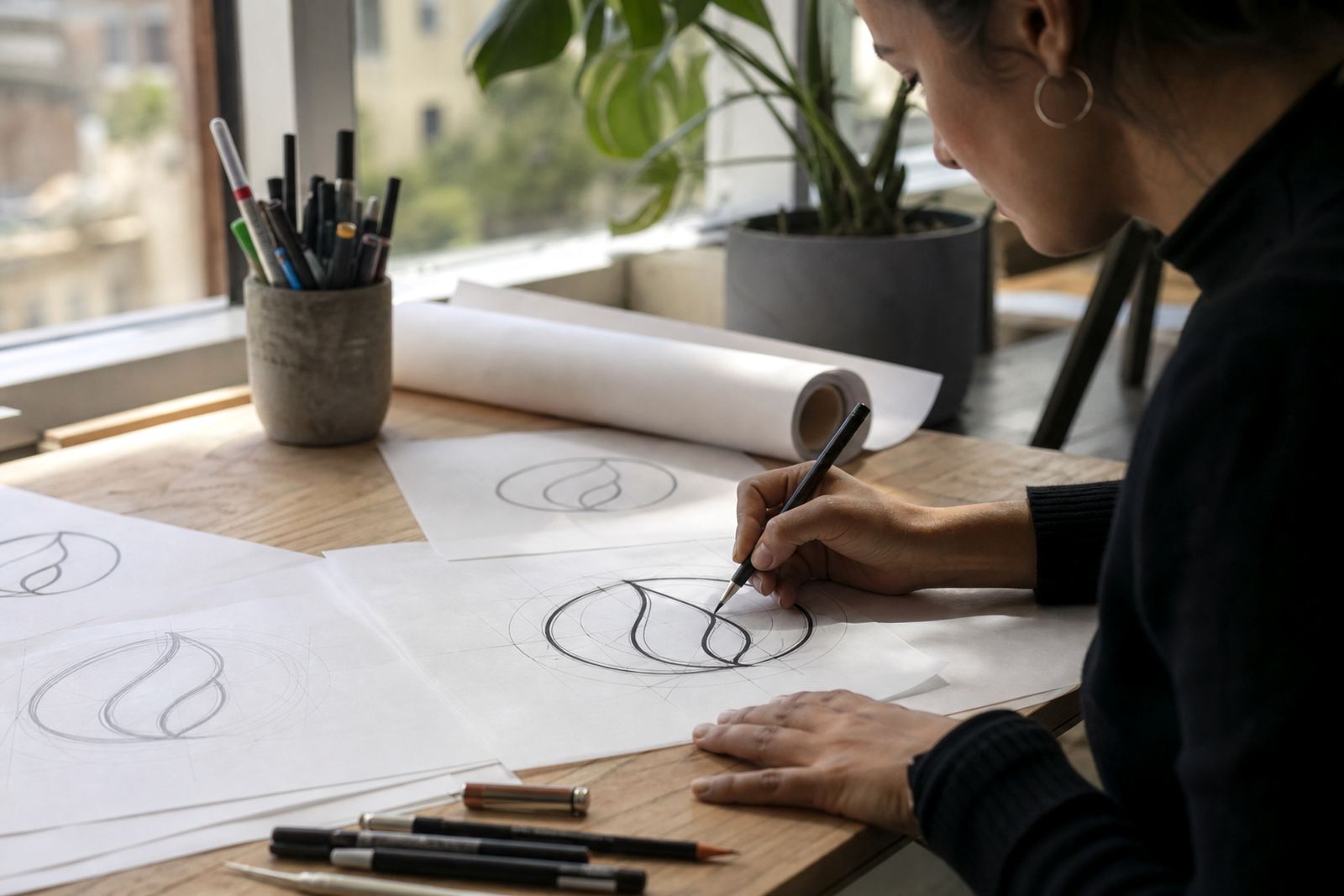
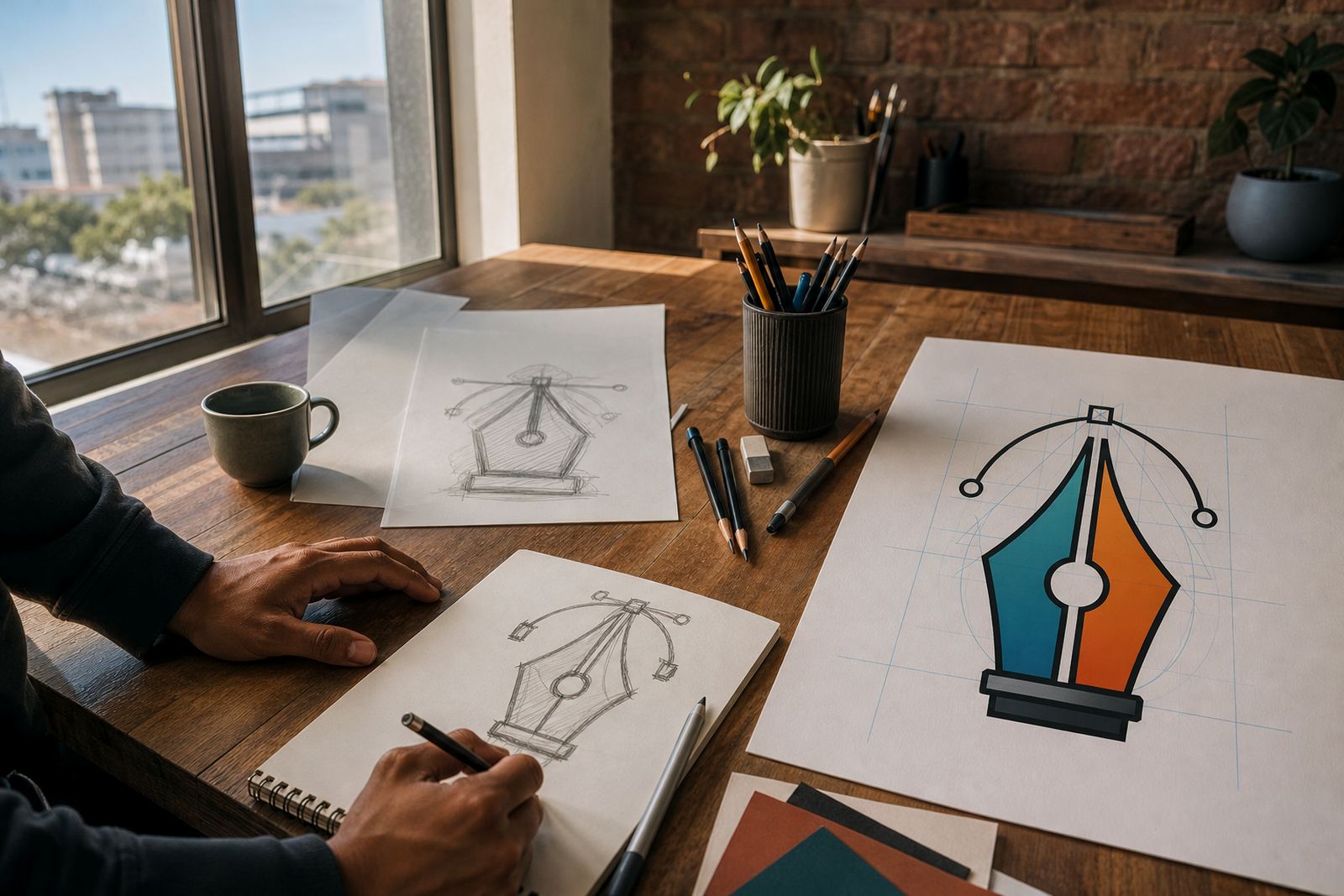
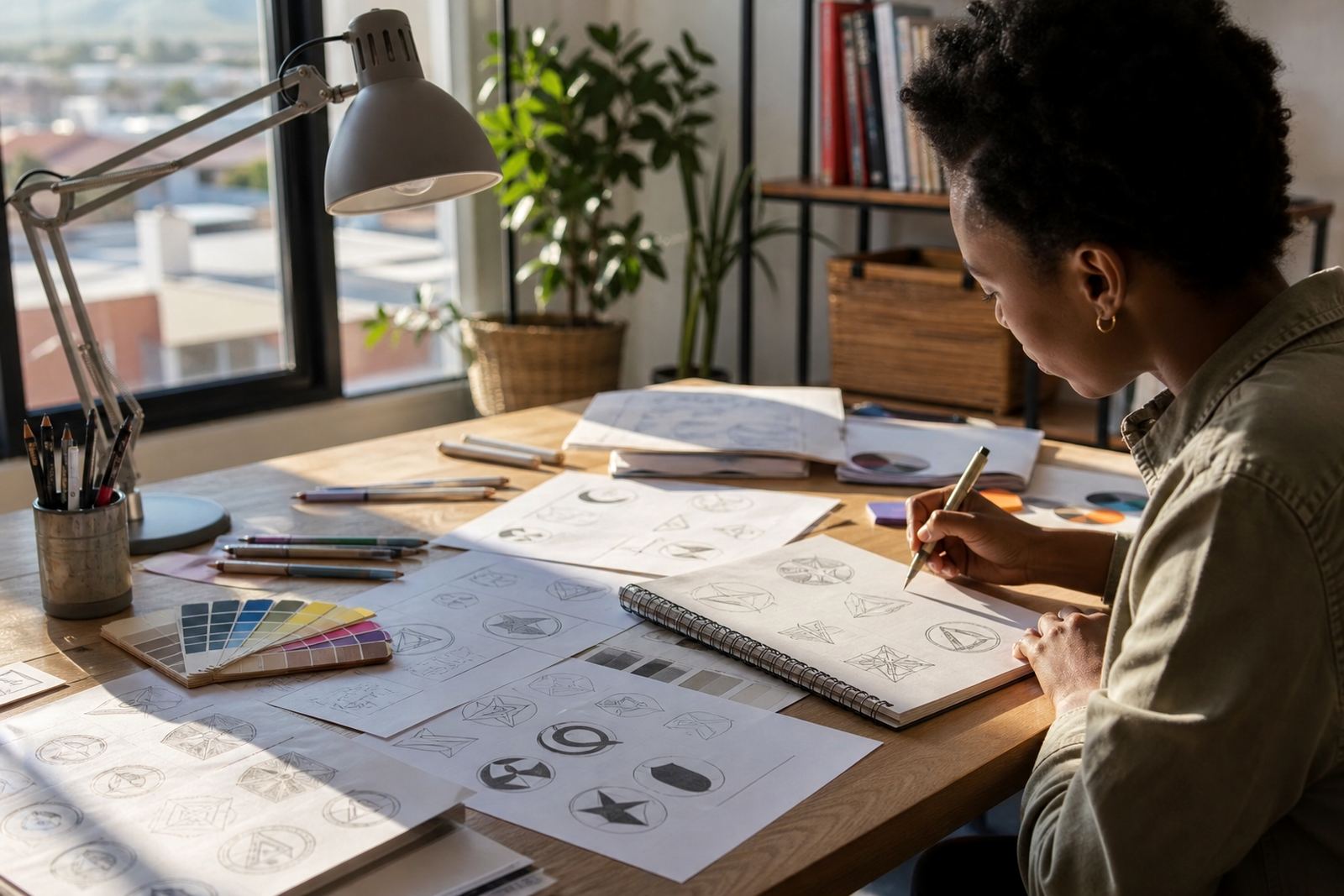
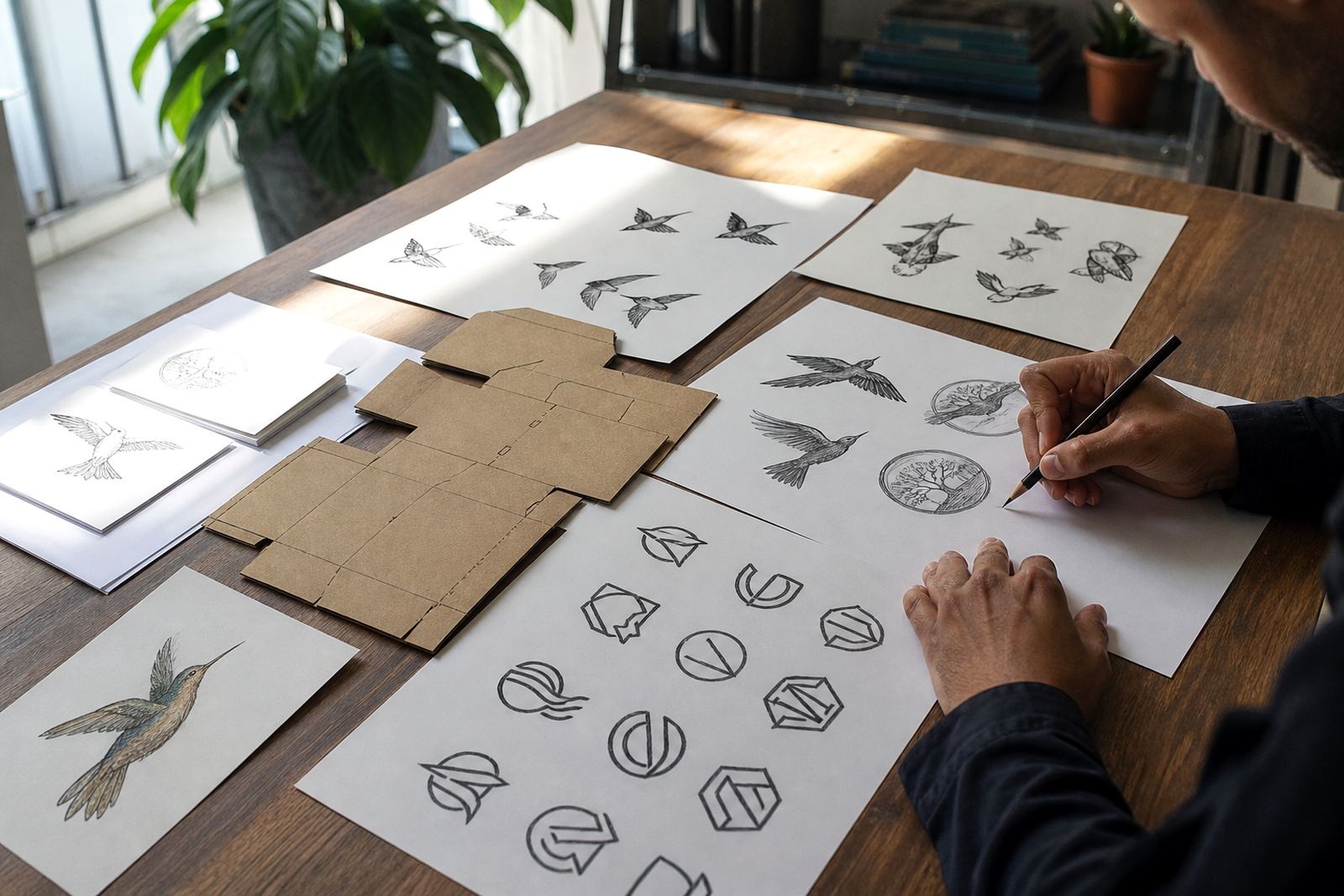
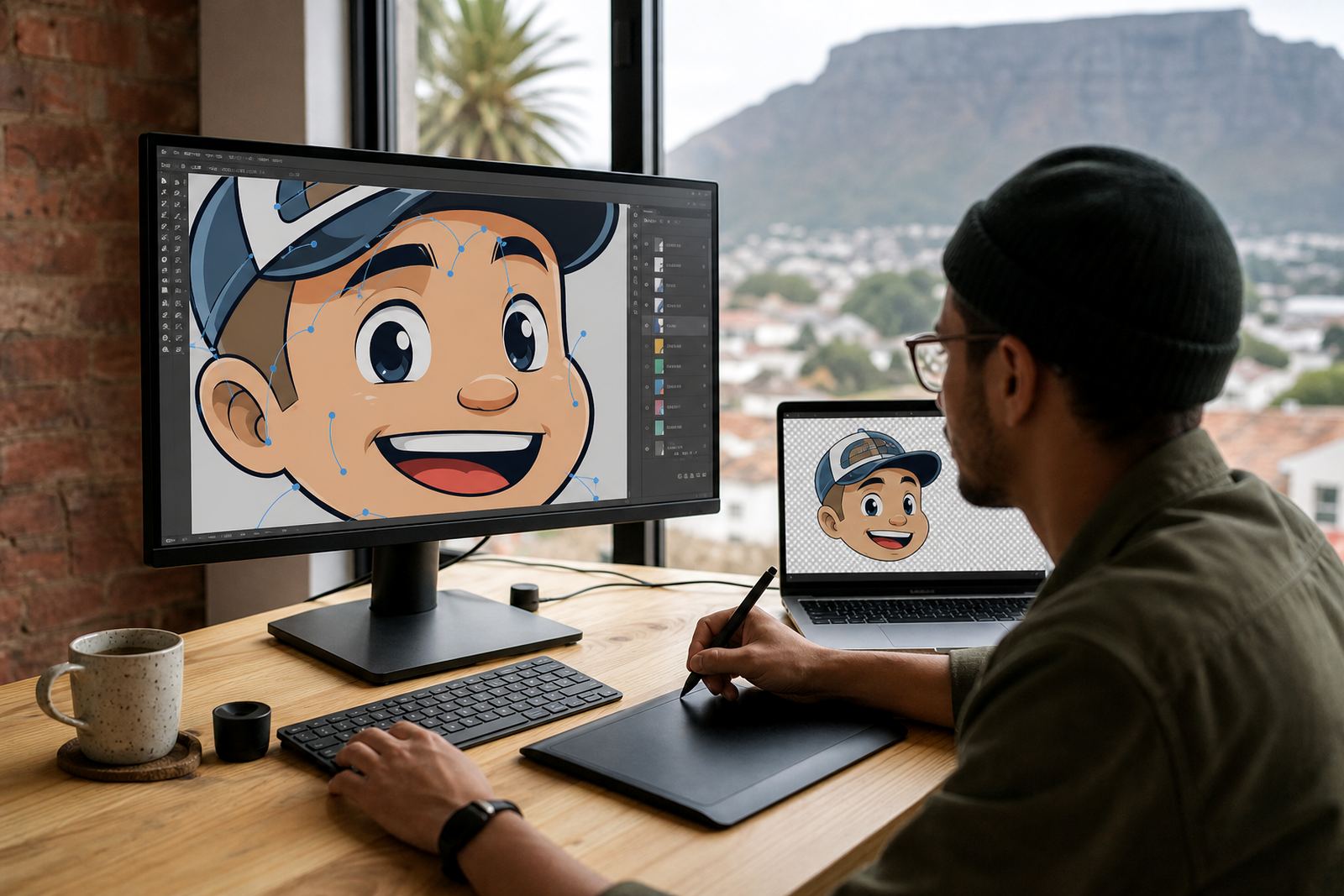
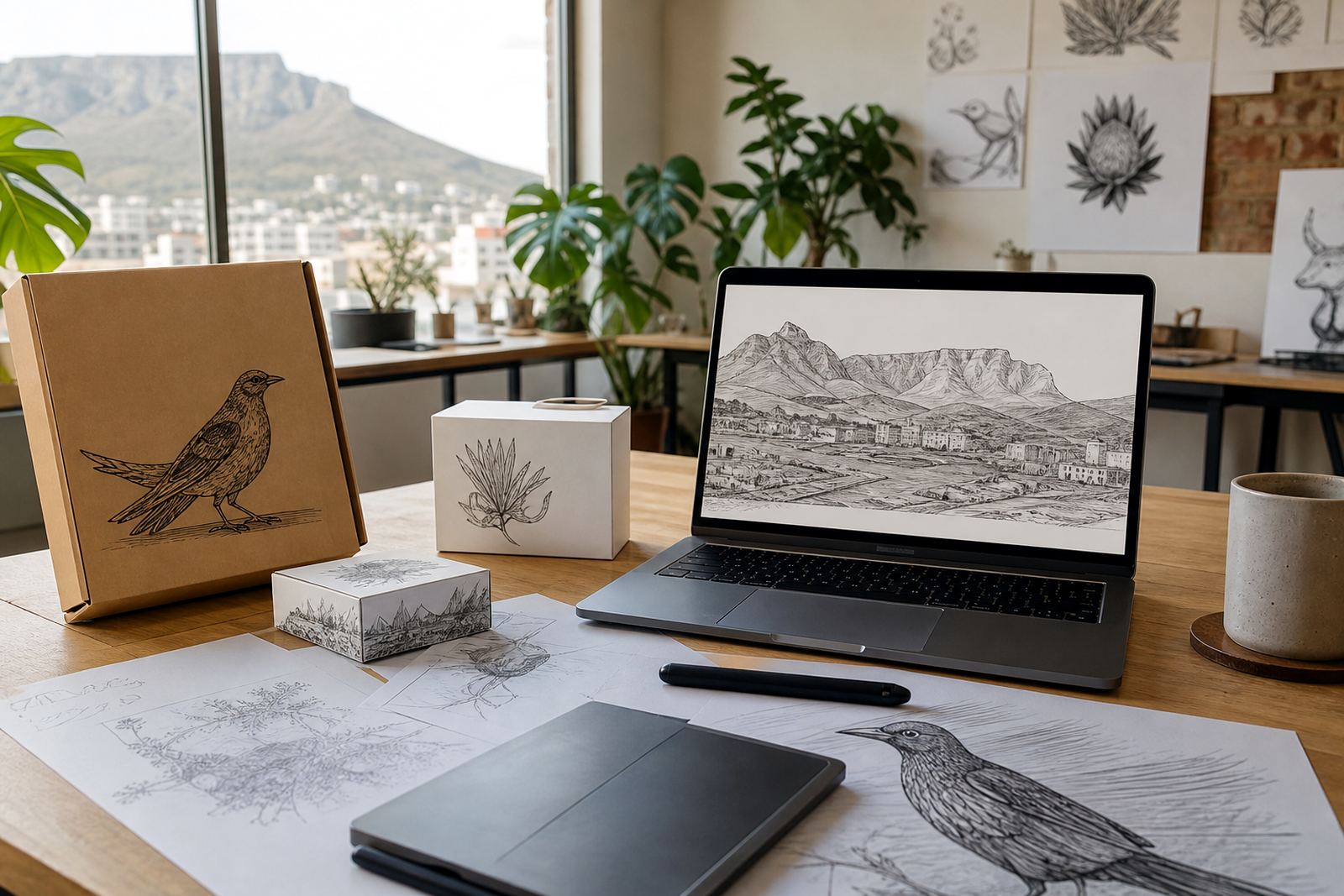
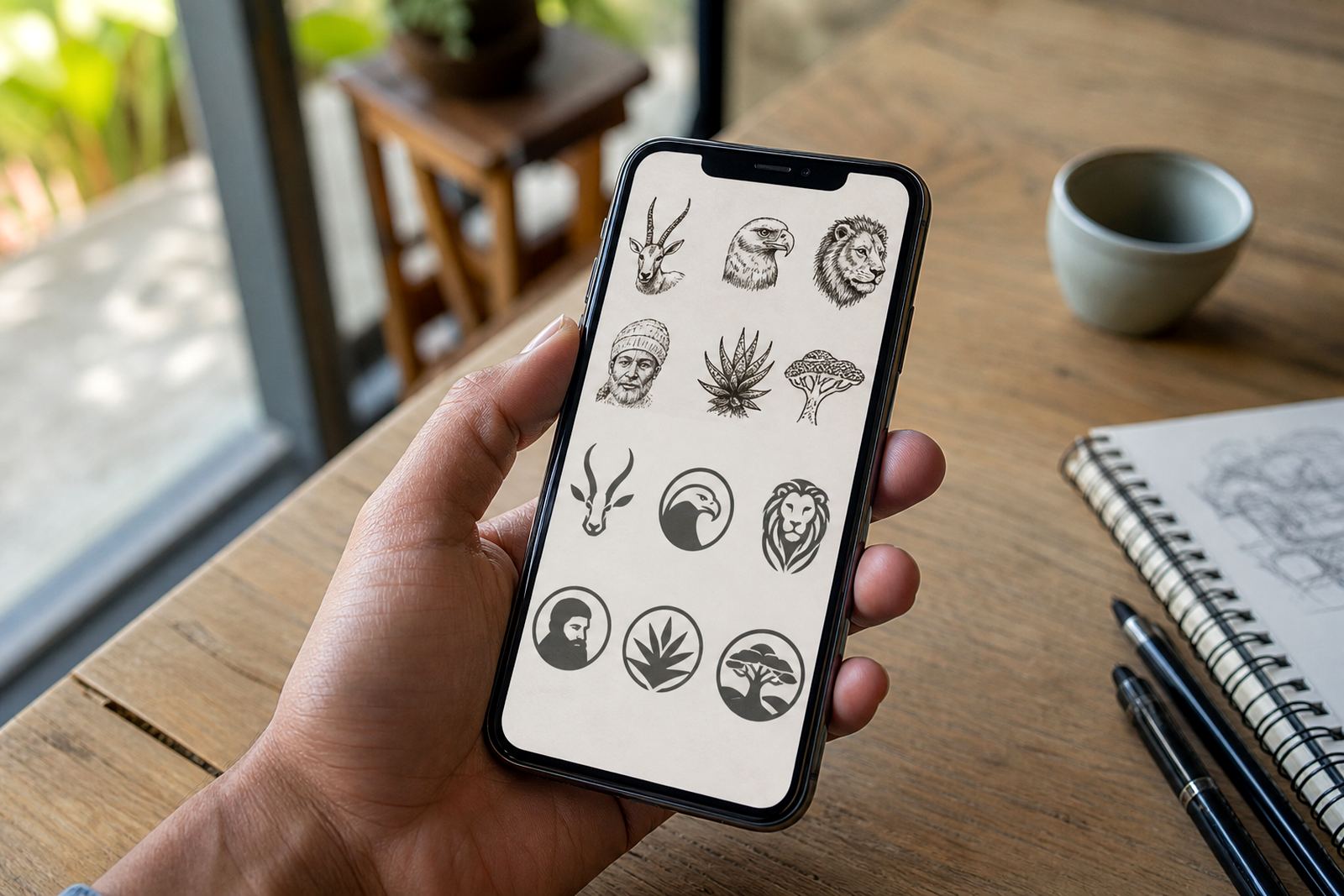
Illustration is a different job. It is used when the artwork needs to be created from scratch or given a drawn feel for a mascot, menu, map, badge or packaging panel. The right choice depends on the source file, the end use and how much detail the final artwork needs.
- Choose redraws for existing logos, emblems and marks that need cleaning up.
- Choose illustration for original visuals, icons, scenes and stylised graphics.
- Choose both when a logo needs fixing and supporting brand artwork is also required.
File Formats That Print Shops Ask For
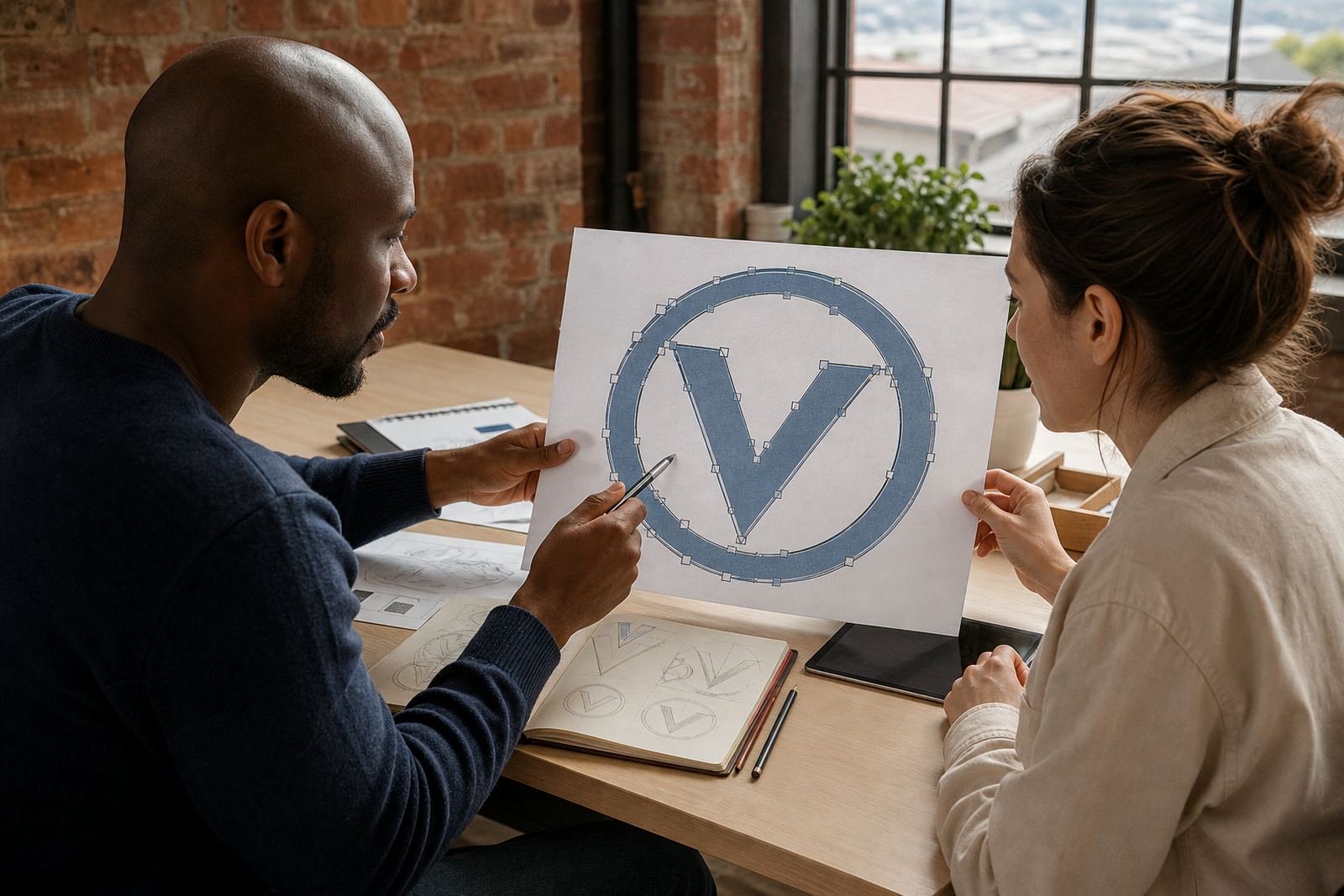
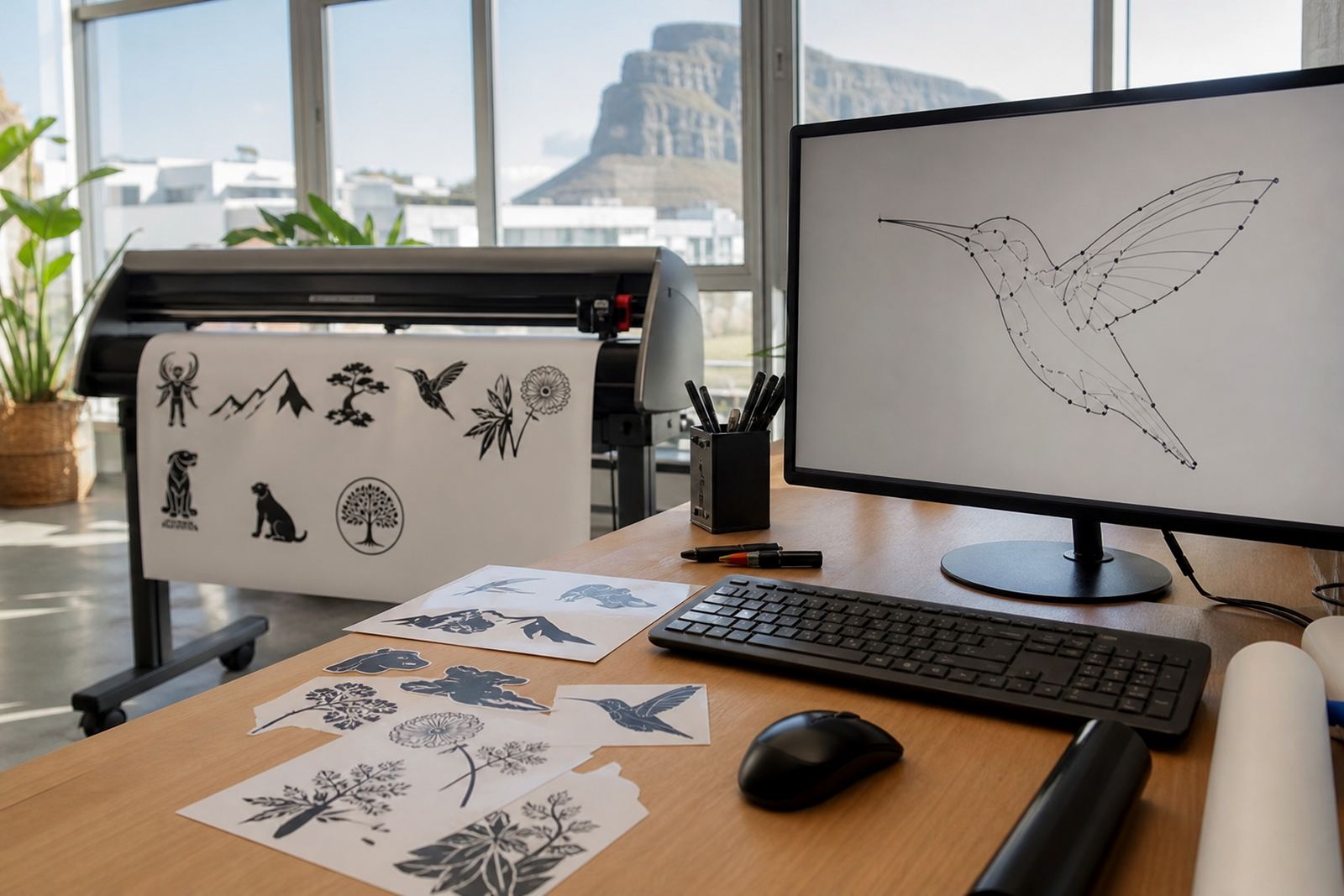
Different jobs call for different file formats. A vector logo can be opened and resized without the jagged edges that come from bitmap images, which makes it far more useful for print, cut vinyl and large format work. We explain what each format does and why a printer may ask for one over another.
- SVG for web use and simple scaling.
- EPS for print and production workflows.
- PDF for easy sharing and approvals.
- AI for editable working files used in professional artwork setup.
Most businesses need a mix of these files so the logo works across stationery, packaging and online use. That kind of file pack saves time when you need an artwork update later on.
Why Rights And Source Material Matter
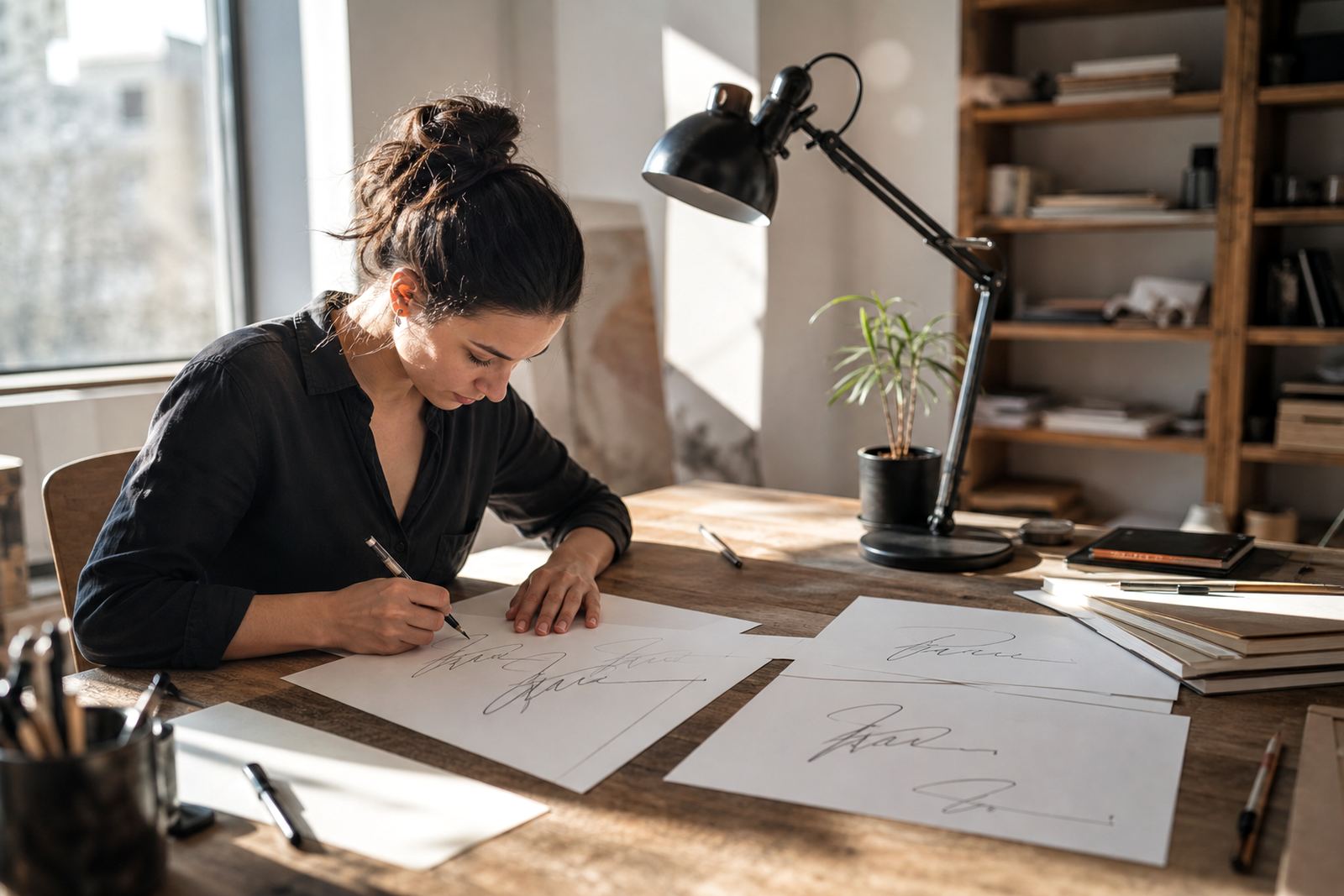
Before any redraw or illustration begins, the person sending the artwork must own it or have permission to use it. That includes logos taken from old letters, supplier files, scanned marks and images pulled off the internet. It is a basic part of protecting the business and keeping the final file usable without disputes.
Good source material also helps us work cleaner. A sharp scan, a decent photo or the original artwork saves time and reduces guessing. If the file is faint, skewed or covered in background noise, it may still be possible to rebuild it but the final result depends on what is available.
Where South African Businesses Use Vector Artwork
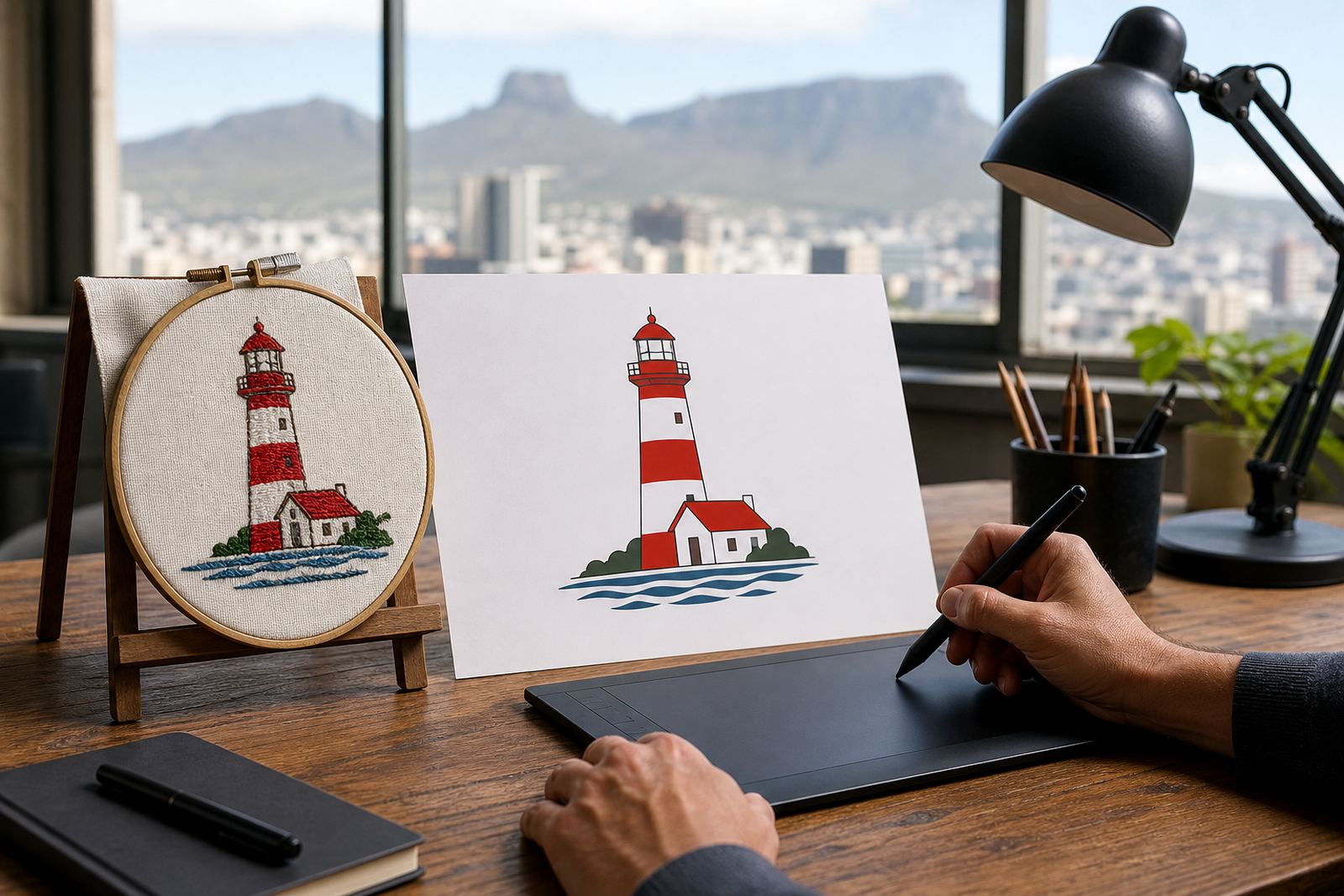
Our notes are written with local use in mind. Businesses in Cape Town, Johannesburg, Durban, Pretoria and Bloemfontein often need artwork that works across printing, embroidery, vehicle graphics and digital platforms.
We also work with clients in Stellenbosch, Paarl and Port Elizabeth, where menus, stickers, wayfinding and packaging often need cleaner linework than a phone screenshot can provide. The aim is simple: give the printer, designer or sign maker a file that is ready to use.
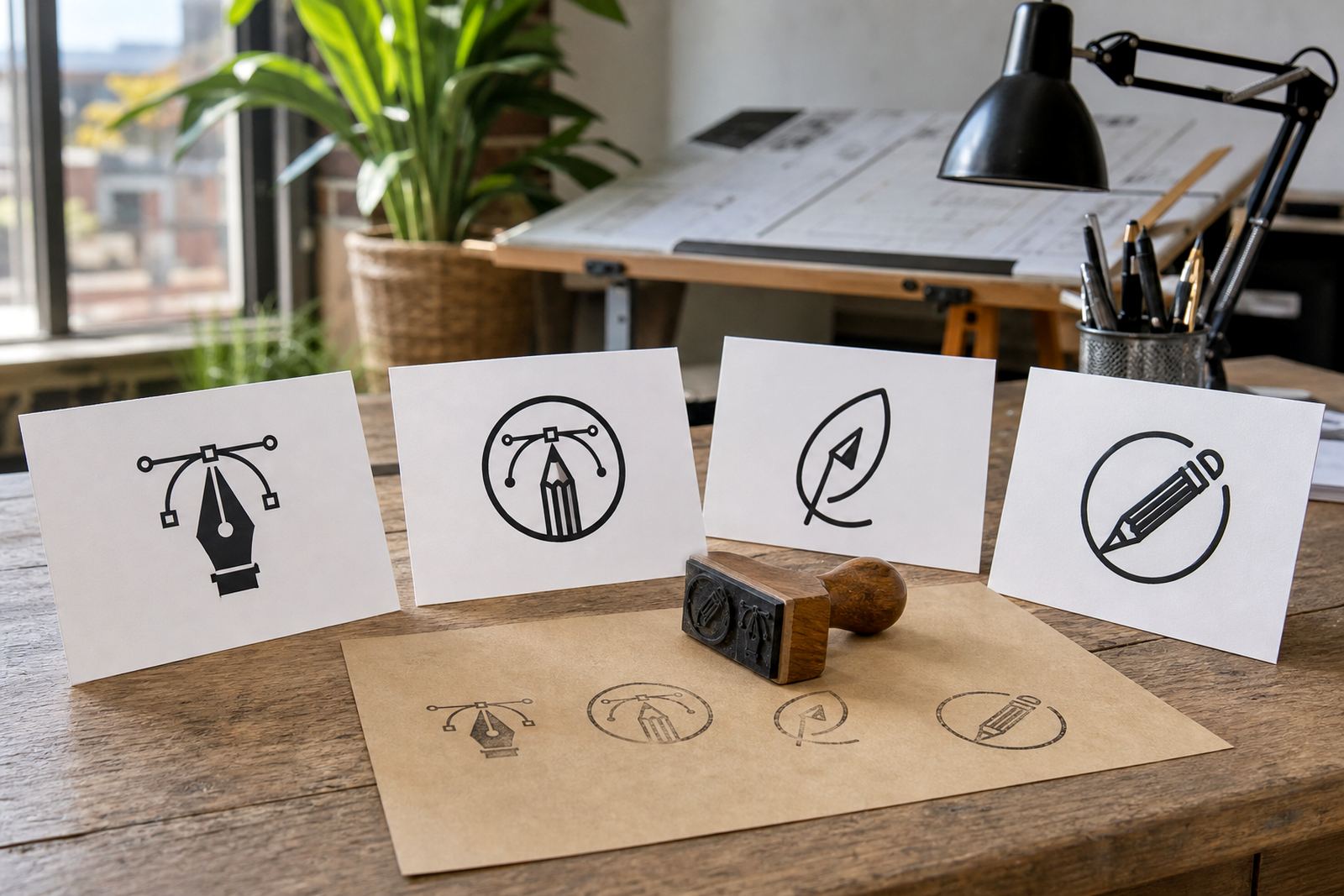
- Brand icons for small format use.
- Mascot illustration for campaigns and events.
- Packaging illustration for labels and cartons.
- Map, menu and sticker illustration for practical business use.
Who Writes And Reviews The Notes
Studio Notes follows the same working method used in our Observatory, Cape Town base from 1994. Luyanda Mthembu leads the studio as Managing Director, with Ayesha Mafokeng on senior vector work, Pieter Skosana on illustration, Zanele Kajee on client services, Teboho Molefe on prepress and Megan Khoza on quality control. That mix keeps the advice grounded in actual production work, not theory.
Each page is written to help businesses ask better questions and understand what they are paying for. If a logo needs a redraw, or a new illustration needs to match existing brand files, the notes explain what to request and what to expect from the process. A small typo in a source file can become a big problem later, so the details matter.