When an old logo starts causing real problems
Many businesses only notice the issue when they try to enlarge an old logo for a van, a banner or a new set of uniforms. If the file is a low-resolution image, the edges can break up, colours can shift and the whole mark can look unprofessional. In South Africa that matters on everything from municipal tender documents to coastal shopfronts where signs face strong sun, wind and humidity.
A redraw is often needed when the only artwork available is a photo, a screenshot, a scanned printout or a tiny file pulled from an old website. Those files may be useful as a reference, but they are not ideal for proper production. A clean vector version gives printers, sign makers and designers a file they can work with without guessing.
Bitmap tracing is not the same as a hand redraw
People often use tracing and redraw as if they mean the same thing, but there is a difference. Bitmap tracing follows the pixels in a raster image and turns them into paths. That can work for simple shapes, yet it often carries across the flaws in the original file, such as jagged edges, uneven curves and broken details.
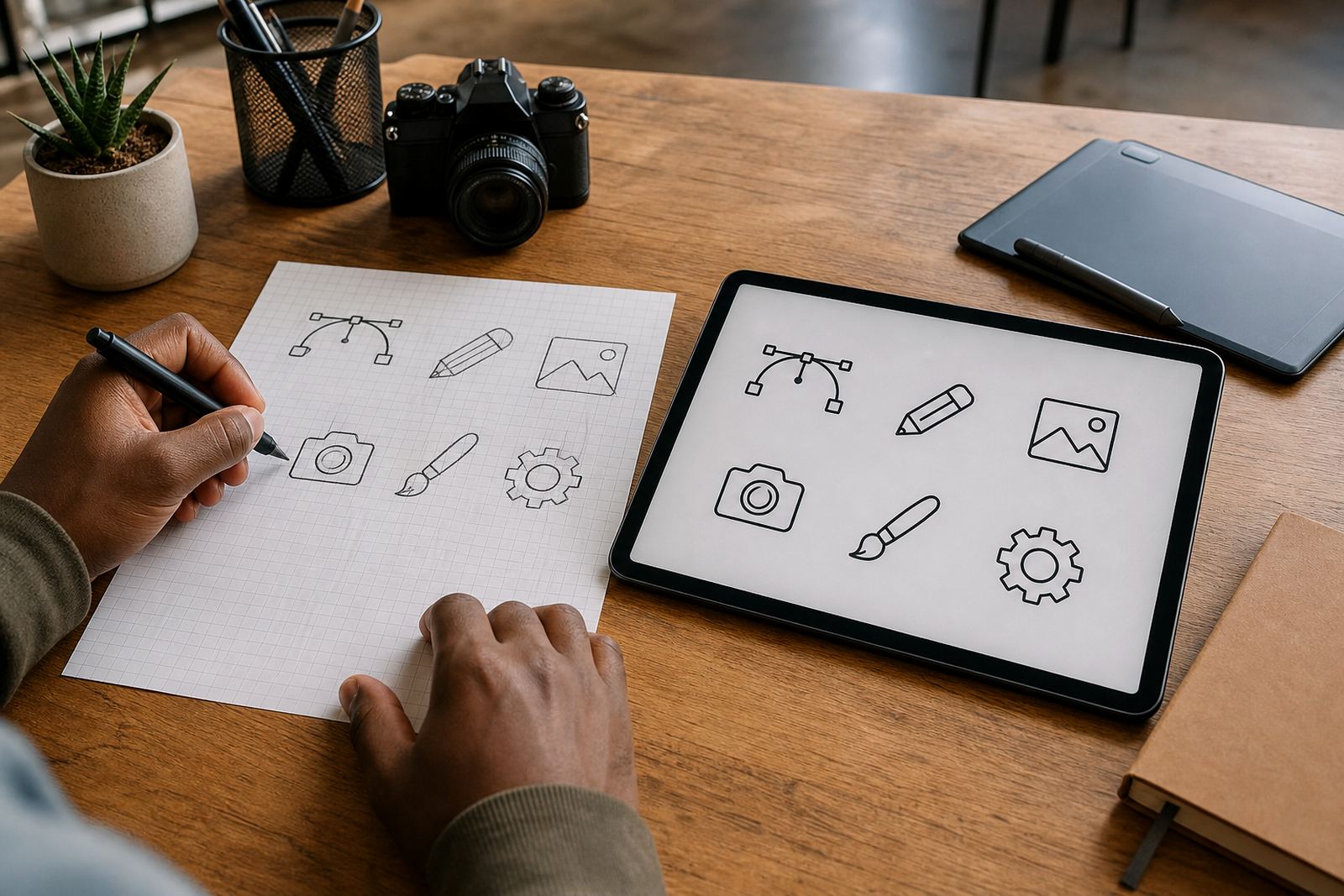
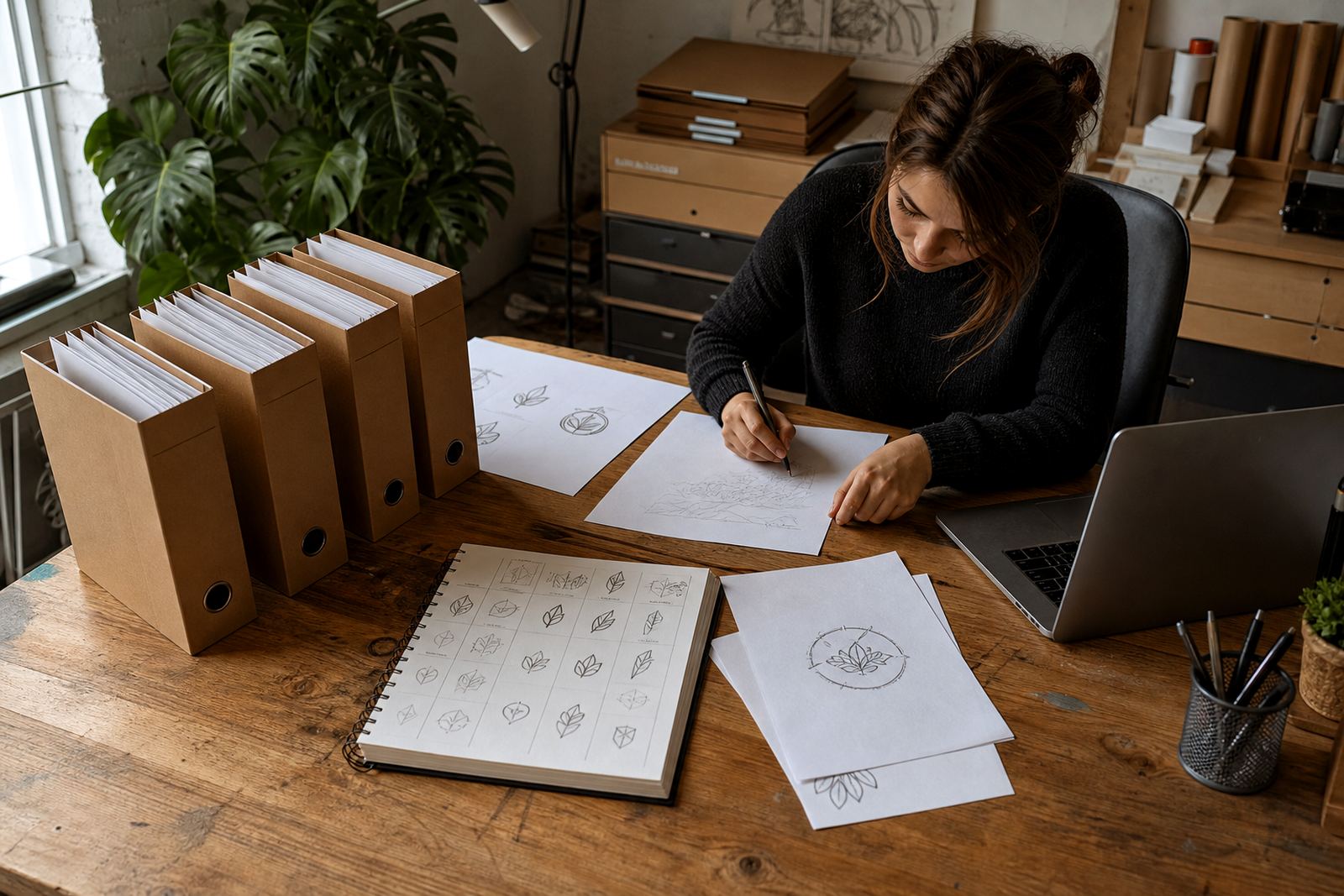
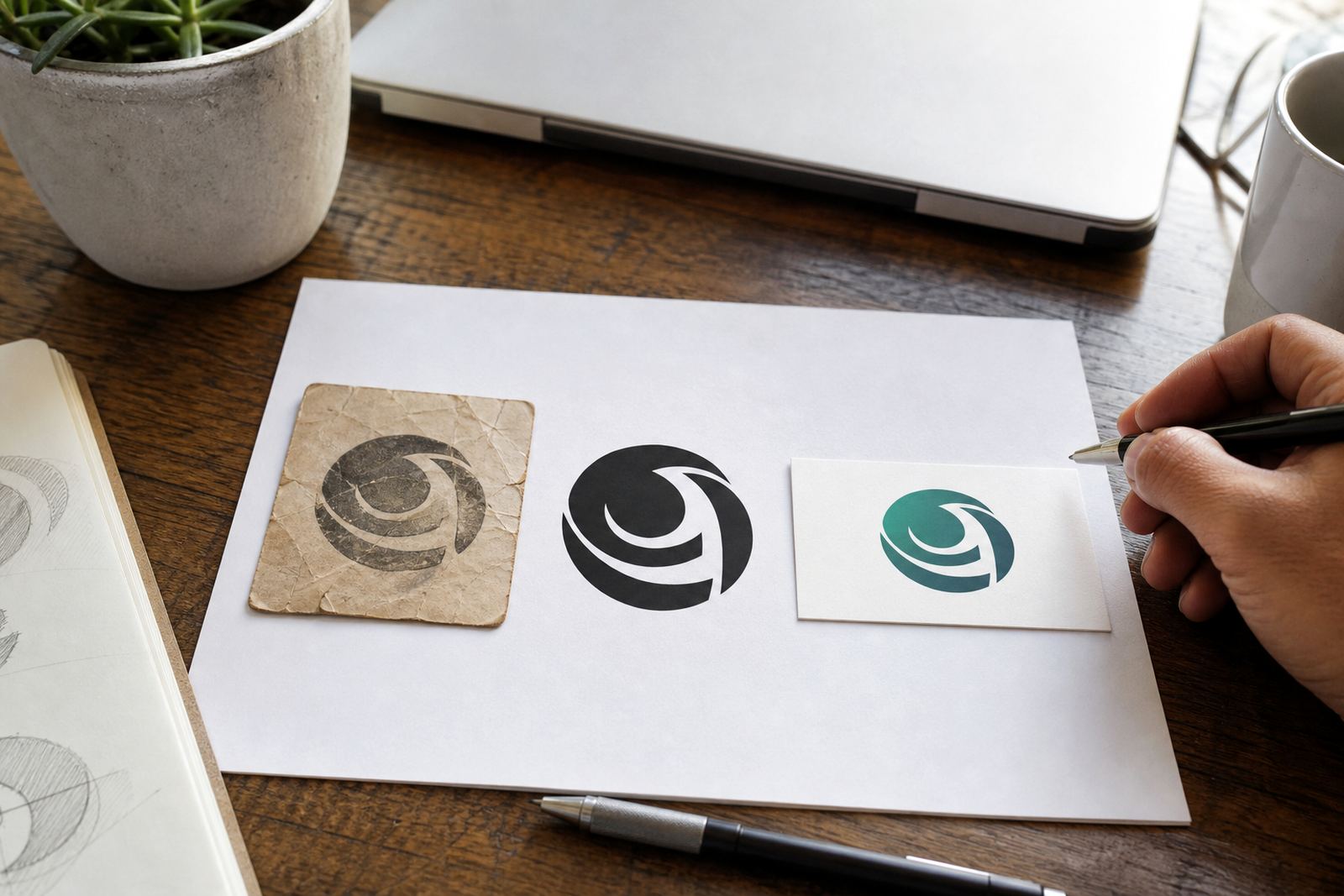
A hand redraw starts from the artwork and rebuilds it properly. The shapes, spacing and line weights are adjusted so the logo works at any size. This is especially important where a mark needs to sit on stationery, embroidered clothing, vehicle decals and large format print all at once.
- Bitmap tracing can be useful for quick cleanup on simple logos
- Hand redraws are better for weak scans, rough drawings and damaged files
- Illustration work is needed when the artwork must be refined or recreated with care
- A proper redraw should aim for clean geometry and repeatable output
Why vector files matter for print and digital use
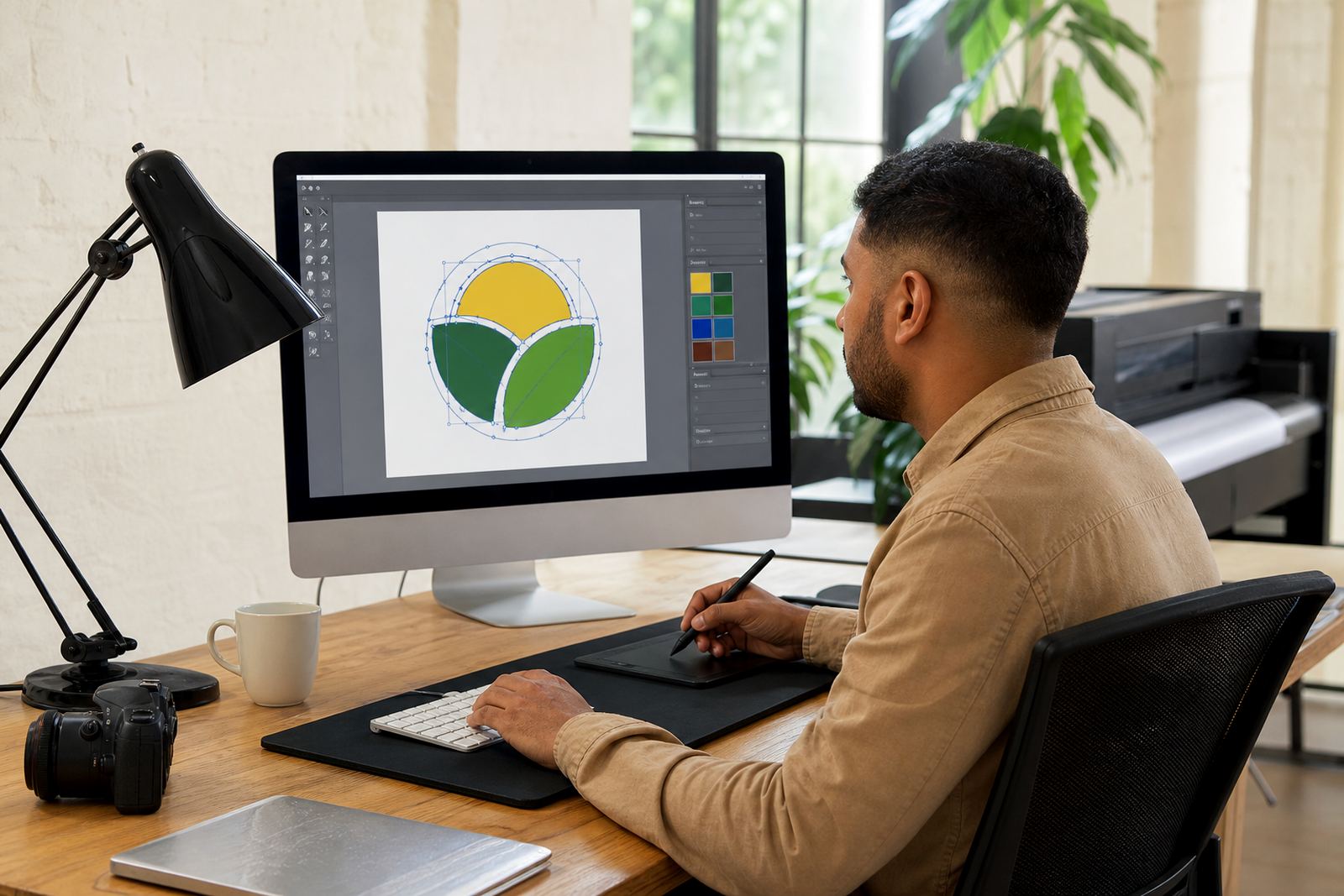
Vector artwork scales without becoming blurry, which is why it is the standard for most professional logo work. Once a logo is redrawn, it can usually be supplied in SVG, EPS, PDF and AI formats so different suppliers can use it as needed. That gives your printer, sign installer, web person and packaging team a proper base file instead of one that needs constant fixing.
For a business in Johannesburg or Durban, that can mean fewer delays when a campaign needs to go live. For a Cape Town business in a windy coastal area, it also helps because banners, stickers and building signage often need to be resized or reworked for different applications over time.
- SVG is useful for web and digital use
- EPS remains widely used in print and sign production
- PDF is handy for sharing approved artwork with suppliers
- AI is often requested for editable vector source files
The rights check that protects your business
Before any redraw or illustration work starts, the customer must own the artwork or have the rights to use it. That is a basic part of working properly with brand material. If a logo was created by someone else, or if it contains imagery sourced from another party, it should be cleared before it is redrawn or adapted.
This protects everyone involved. It also avoids problems later when a business wants to register a mark, print packaging or use the artwork in a formal tender response. If the file belongs to a former designer, agency or supplier, ask for permission or confirm transfer of rights first.
- Confirm who owns the original artwork
- Check whether the logo includes third party elements
- Keep approval records for your own files
- Make sure the final vector version is stored safely
Local example: a small business with an old file and new needs
A practical example is a family business in Observatory that has used the same logo for years on invoices, packaging and a painted wall sign. The only file on hand is a low-res image sent by WhatsApp. It works at small size on a screen, but once the owner asks for a proper print run and a sign for the shopfront, the flaws become obvious. The letters look uneven, the icon has soft edges and the colours are inconsistent.
After a clean redraw, the same logo can be used across menu boards, stickers, delivery slips and social graphics without losing quality. That is often the point where a business sees the value of having proper vector artwork instead of patching an old image every time new work comes up. It saves time later, and the final result looks more settled.
What to send when you need a logo redrawn
The best starting point is whatever version of the artwork you have, even if it is not ideal. Old PDFs, business cards, scanned letterheads and photos of signage can all help as references. If there are brand colours, font names or notes about spacing, include those too. The more context you provide, the easier it is to rebuild the artwork accurately.
Vectorization Studio works from Observatory, Cape Town and helps businesses across South Africa, including Cape Town, Johannesburg, Durban, Pretoria, Bloemfontein, Port Elizabeth, Stellenbosch and Paarl. The team handles logo redraws and hand-drawn vector illustrations for brands that need clean files for print, signage and digital use. Clients can reach the studio through the enquiry form on the contact page when they need to discuss a redraw, custom icon or illustration brief.
- Send the clearest version of the logo you have
- Include any notes on colours, spacing or layout
- Mention where the logo will be used, such as print, signage or online
- Confirm that you own the rights to the artwork or have permission to use it