Why a drawn style can say more than stock artwork
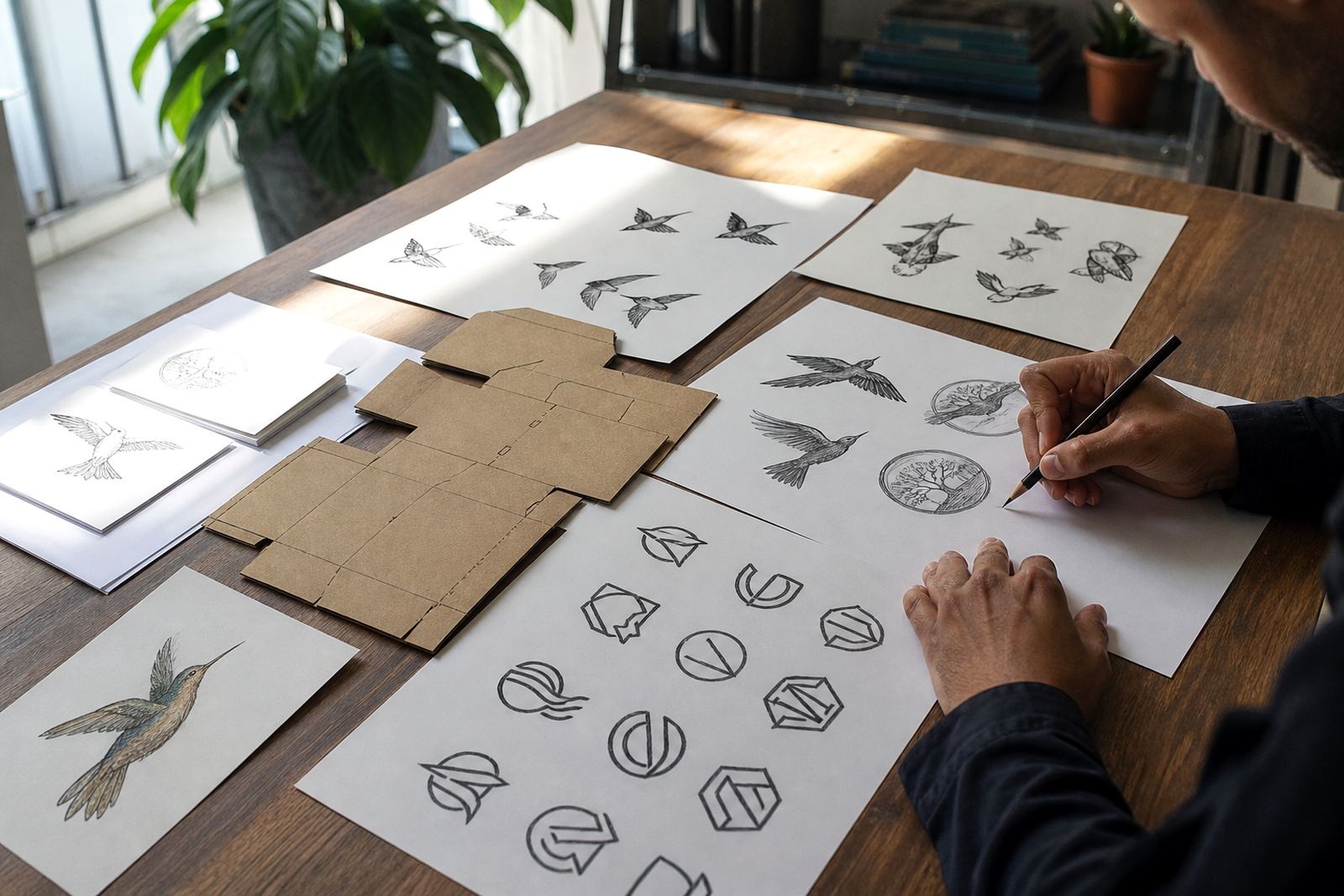
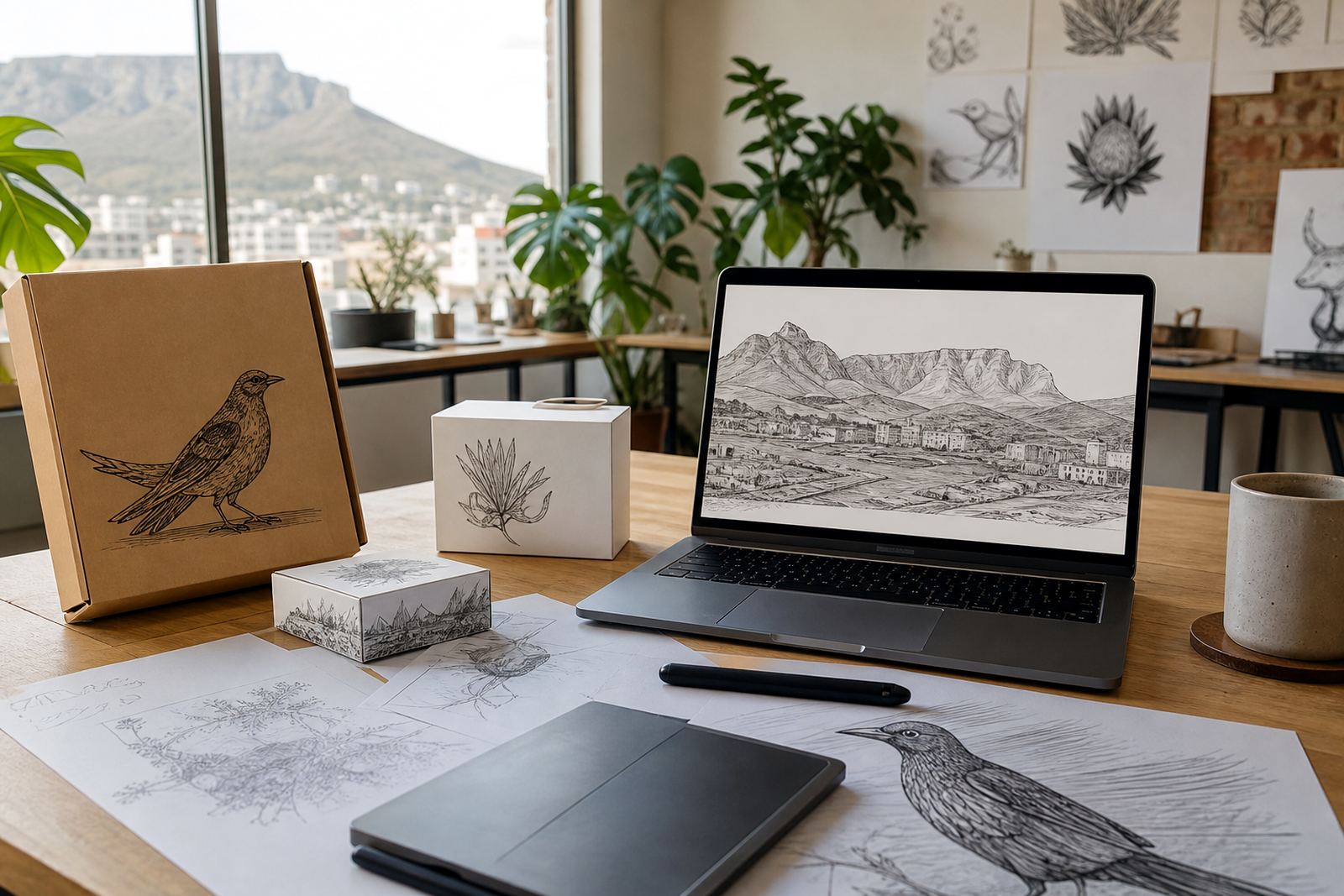
Generic artwork often looks fine at first glance, but it can leave a brand looking like many others in the same market. A custom illustration is built around the product, the service and the tone of the business, so the final image feels specific rather than borrowed.
For a company in South Africa that wants to stand out on packaging, menus, social posts or a website, that difference matters. A hand-drawn illustration can carry warmth, precision or character in a way that fits the brand voice, whether the business is in Cape Town, Durban or Bloemfontein. It also gives you an asset that can be reused across print and digital without losing clarity.
Bitmap tracing and hand redraw are not the same job
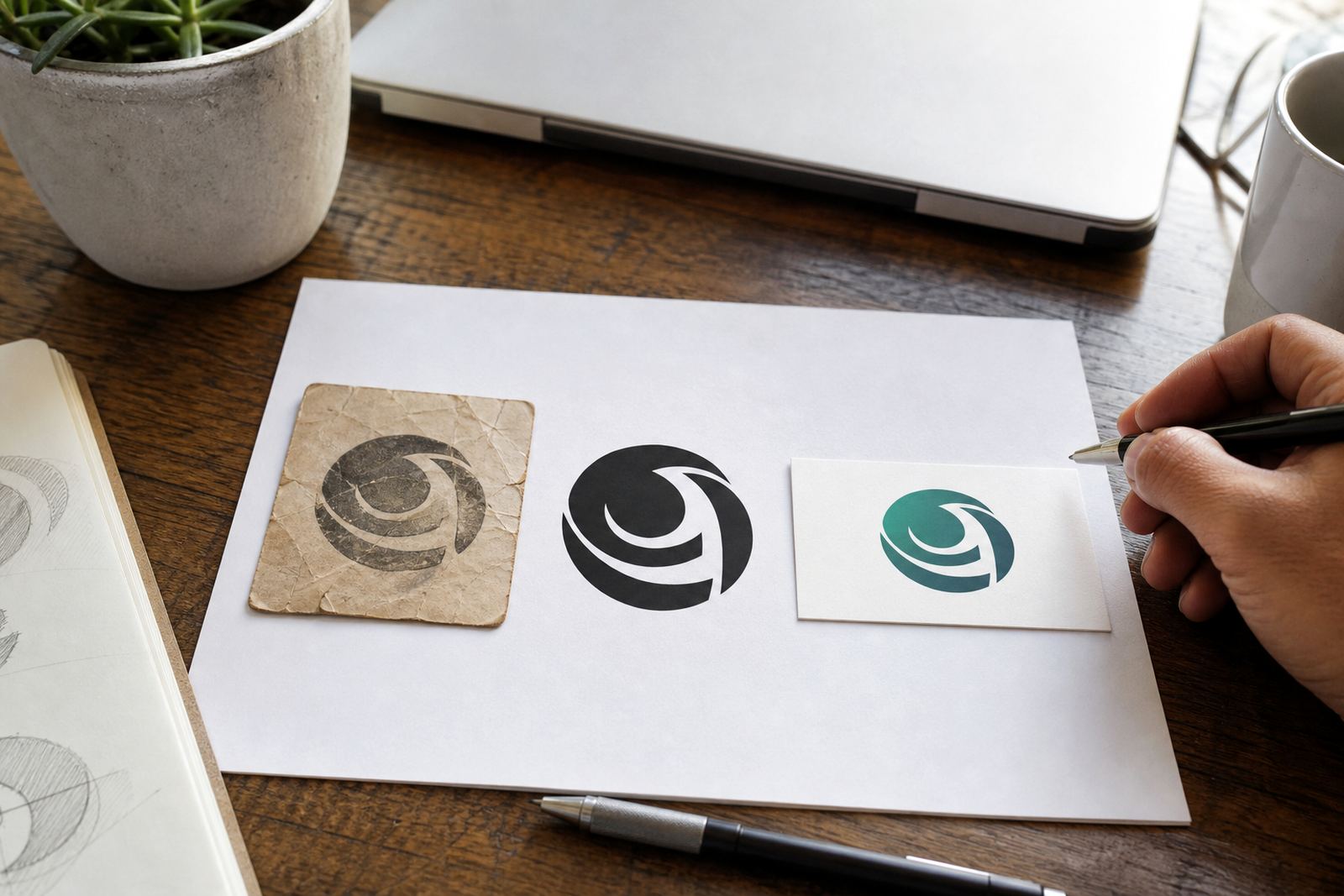
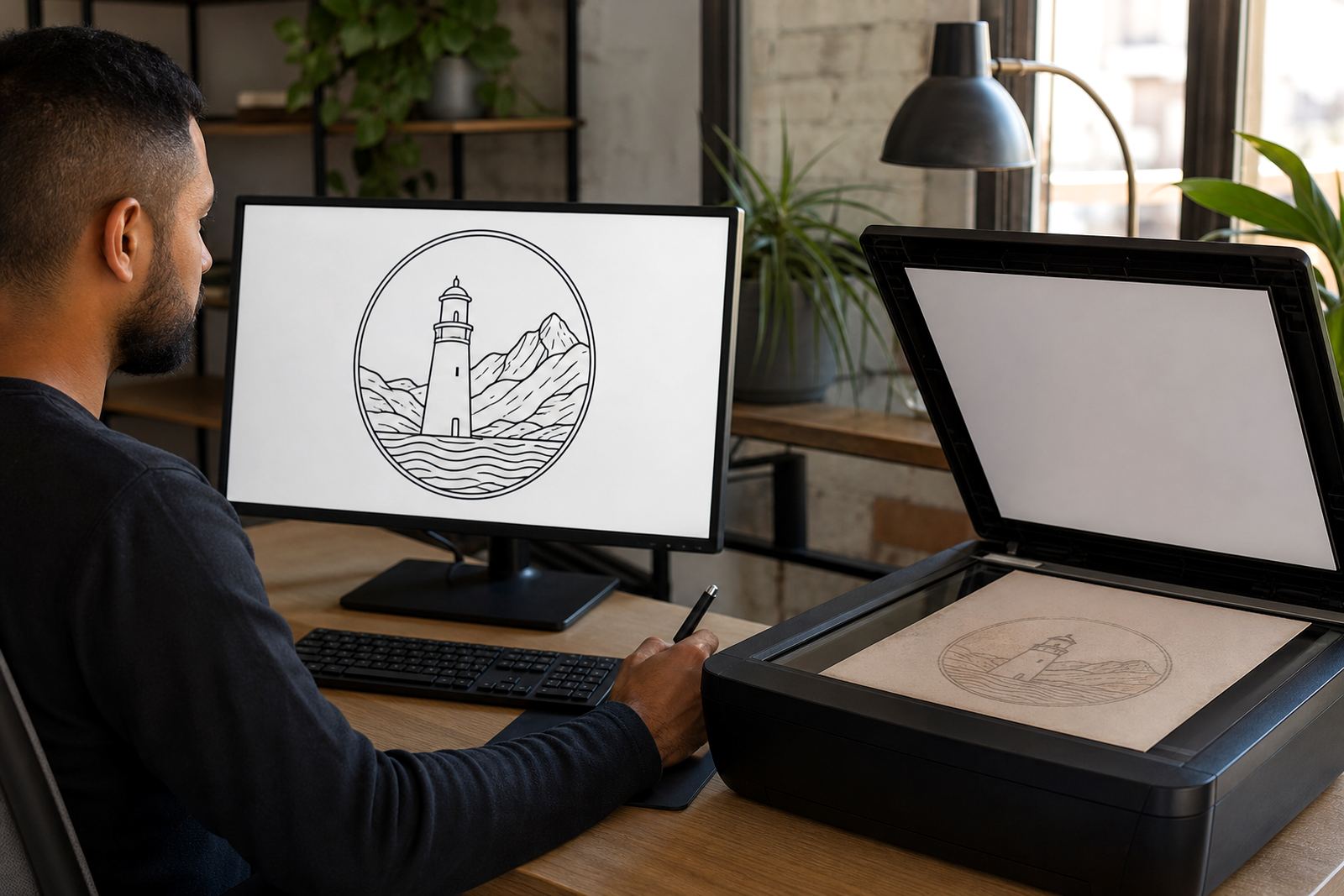
Some artwork only needs careful tracing from a bitmap file, while other pieces need to be redrawn from scratch. Tracing works well when the source image is simple and clean, but it can also carry over rough edges, blurry lines and poor proportions if the original file is weak. A hand redraw gives the artist more control over shape, line weight and balance.
That choice depends on the quality of the artwork you send and on how the final image will be used. If a logo must print sharply on labels, stationery or vehicle decals, the artwork needs to be properly resolved. When the source is a low resolution JPEG from an old flyer, a redraw is often the better route. It takes more time, but the result is cleaner and easier to use in the long run.
Where custom illustration adds real value in daily trade
Illustration is not only for big campaigns. Many South African businesses use it to explain a service, give packaging more shelf appeal or make a menu easier to follow. A simple line drawing can turn a technical process into something a customer understands quickly, while a mascot or badge can add personality to a brand that needs a friendlier face.
It also helps when a business needs visual consistency across several touchpoints. One illustration style can carry through a set of icons, a wall graphic, an invoice header and an online listing. That kind of consistency makes a brand feel more organised and easier to trust.
- Custom brand icons for product ranges and service categories
- Map illustration for branches, delivery areas or venue guides
- Packaging illustration and sticker illustration for retail goods
- Menu illustration, infographic illustration and badge illustration
File formats that keep artwork useful after the first job
Good illustration work should not stop at the final artwork preview. The file needs to be usable by signwriters, printers, digital teams and packaging suppliers. That is why vector formats matter. SVG, EPS, PDF and AI files can be scaled up or down without losing edge quality, which is important when the same image may appear on a small label one day and a large printed board the next.
Vector files also help with production in South African conditions, where a design may need to move from a coastal label run in humid Durban to a clean office print job in Pretoria. If a file is set up properly, the printer can work with it more easily and there is less risk of fuzzy edges, missing outlines or problems when colours are separated for print. That saves time and keeps the artwork consistent.
- SVG for digital use and web-friendly scaling
- EPS for print and production workflows
- PDF for sharing with suppliers and internal teams
- AI for editable master artwork where required
A local example from Observatory to the wider country
Imagine a small food business in Observatory, Cape Town that sells prepacked meals and uses delivery drivers across the metro. The owner wants a better label system, a cleaner menu board and a set of icons for allergens and portion sizes. A single illustration style can tie all of that together without looking heavy or corporate.
That same visual language can then be adapted for branches or stockists in Johannesburg, Stellenbosch, Port Elizabeth or Paarl. A map illustration can show collection points, while a set of scene illustrations can be used on social posts and flyers. When a brand grows across several towns, the illustration style helps each piece look related, even when the content changes.
What to send before the artwork starts
The strongest results come from clear source material. We can work from sketches, photos, scans or existing logos, but the customer must own the artwork or have the rights to use it. That point matters for copyright and for the finished file set. If there are old files from a previous designer or supplier, it helps to send the cleanest version available, along with notes on what must stay the same and what should change.
It also helps to explain where the artwork will be used. A badge for embroidery needs different treatment from a scene illustration for a brochure. A pattern for packaging may need repeat logic, while a social graphic may need more space for text. The more practical the brief, the easier it is to create artwork that works in the real world, not just on screen.
- Source files or clear reference images
- Notes on sizes, print use and digital use
- Any brand colours, type styles or layout rules
- Proof that you own the artwork or have permission to use it
Why a steady hand matters more than flashy styling
Custom illustration should feel purposeful, not overdone. The best pieces hold up when viewed quickly on a phone and when inspected closely on a printed pack. That takes careful line work, sensible spacing and a good eye for how the image will reproduce on different materials.
At Vectorization Studio in Observatory, Cape Town, the focus is on clean redraws and hand-drawn vector illustrations that are practical for South African businesses. Whether the job is a mascot, a line illustration or a full set of social graphics, the aim is to give the brand something useful that can be carried forward. That kind of artwork is less about decoration and more about giving the business a visual asset it can keep using for years.