Why packaging needs cleaner logo artwork
Packaging is less forgiving than social media graphics. A logo that looks fine online can blur at small sizes, lose detail on curved labels, or break apart when a printer converts it for plate making. That is why many South African businesses ask for a proper vector redraw before the artwork goes anywhere near a carton, pouch or bottle label.
For packaging work, the goal is not just to make the logo look tidy. It has to be usable by the printer, the designer and the production team. That usually means strong linework, correct proportions, solid spacing and files that can be scaled without losing sharpness. In humid coastal areas like Cape Town, Durban and Port Elizabeth, clear file prep also helps avoid last-minute rework when pack materials and proofs shift slightly.
- Small marks and fine text often need simplification for print.
- Loose bitmap artwork can pixelate when enlarged for cartons or point-of-sale packs.
- Spot colour areas and outlines are easier to control in vector format.
- Clean files reduce layout errors when a pack has multiple panel sizes.
Bitmap tracing is not the same as a proper redraw
A common mistake is to trace a low-resolution image and call it finished. Tracing can work in some cases, but it often copies flaws from the original file, such as jagged curves, uneven spacing and poor letterforms. If the artwork started life as a photographed logo, a screen grab or a compressed image, a trace may still leave you with weak results.
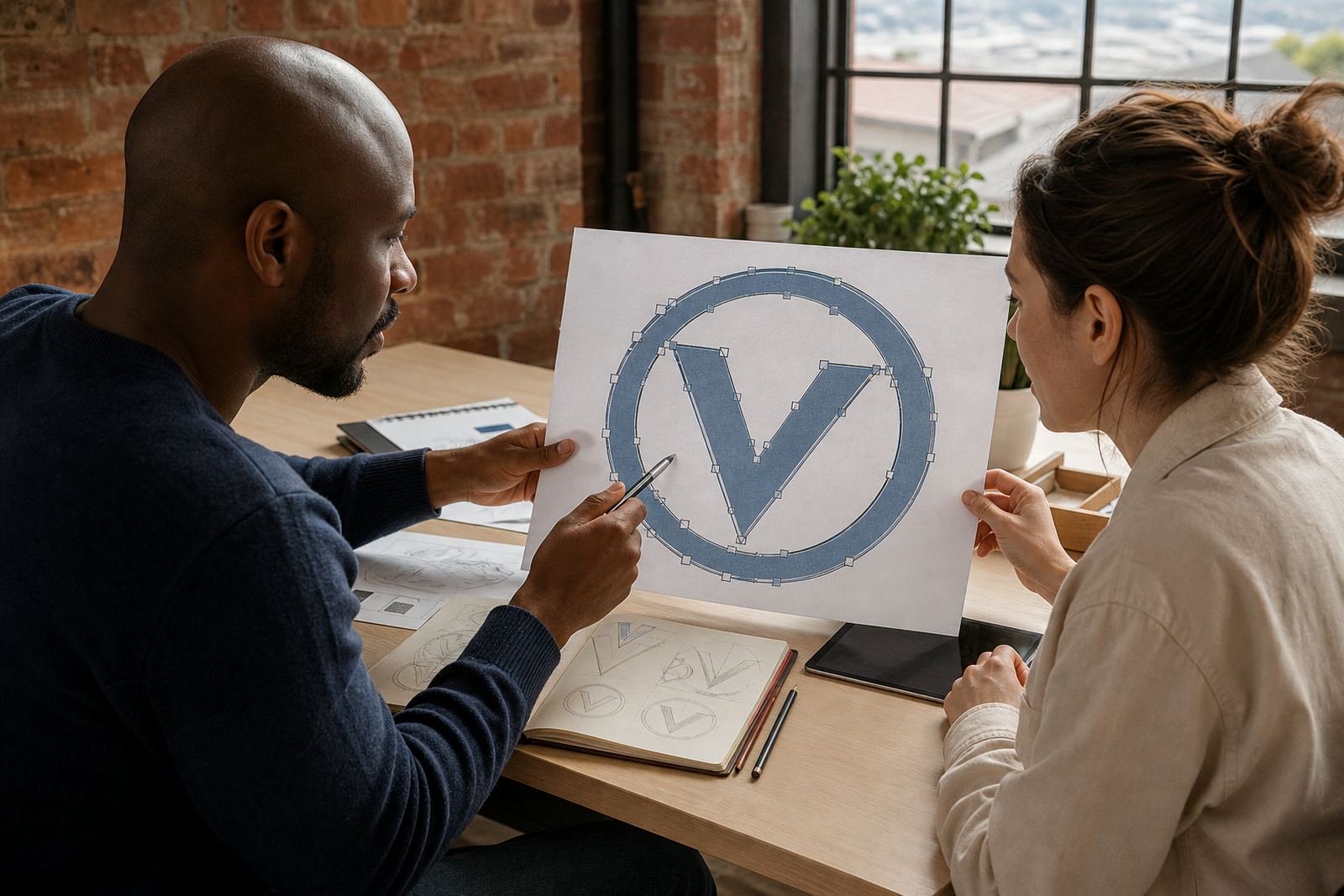
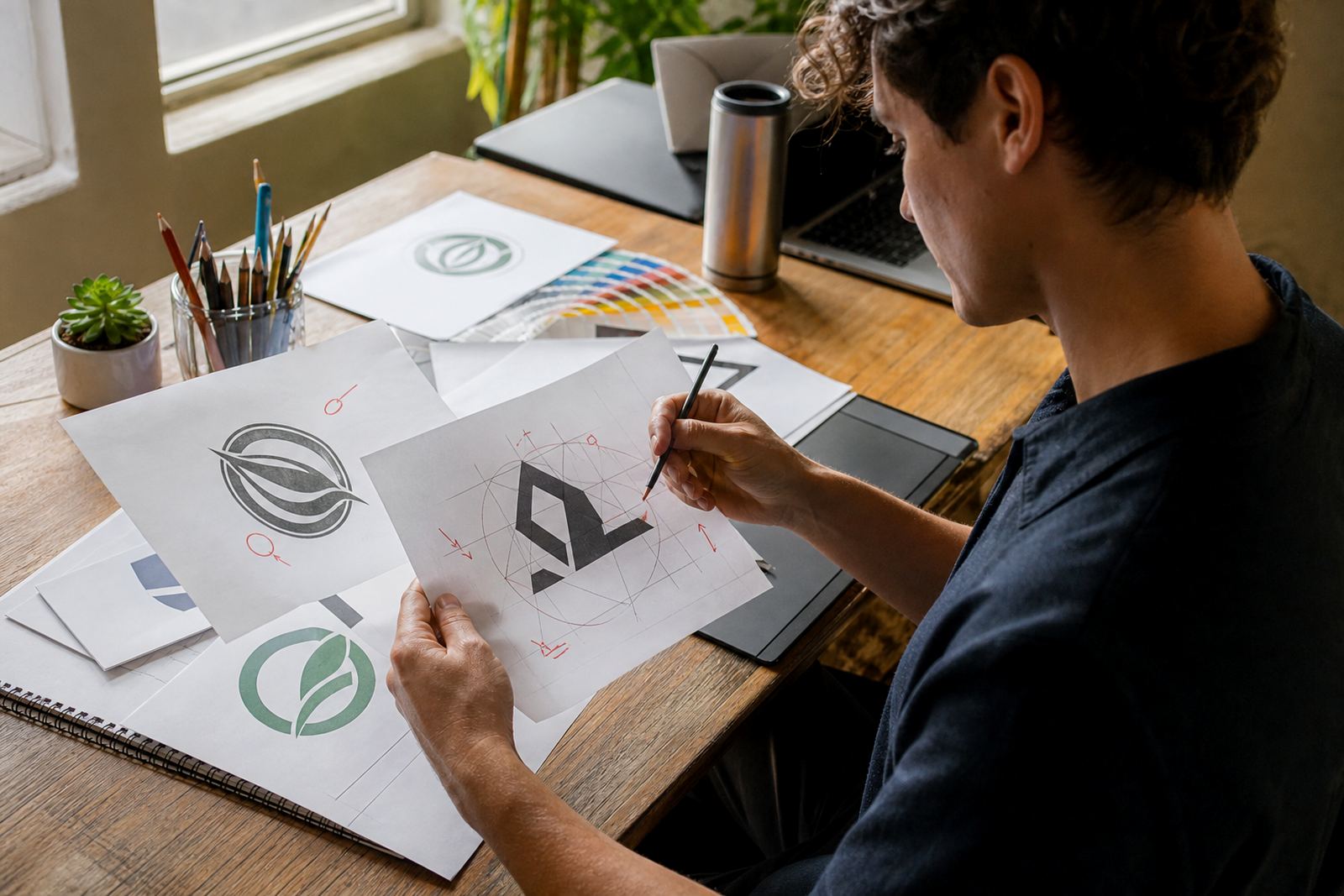
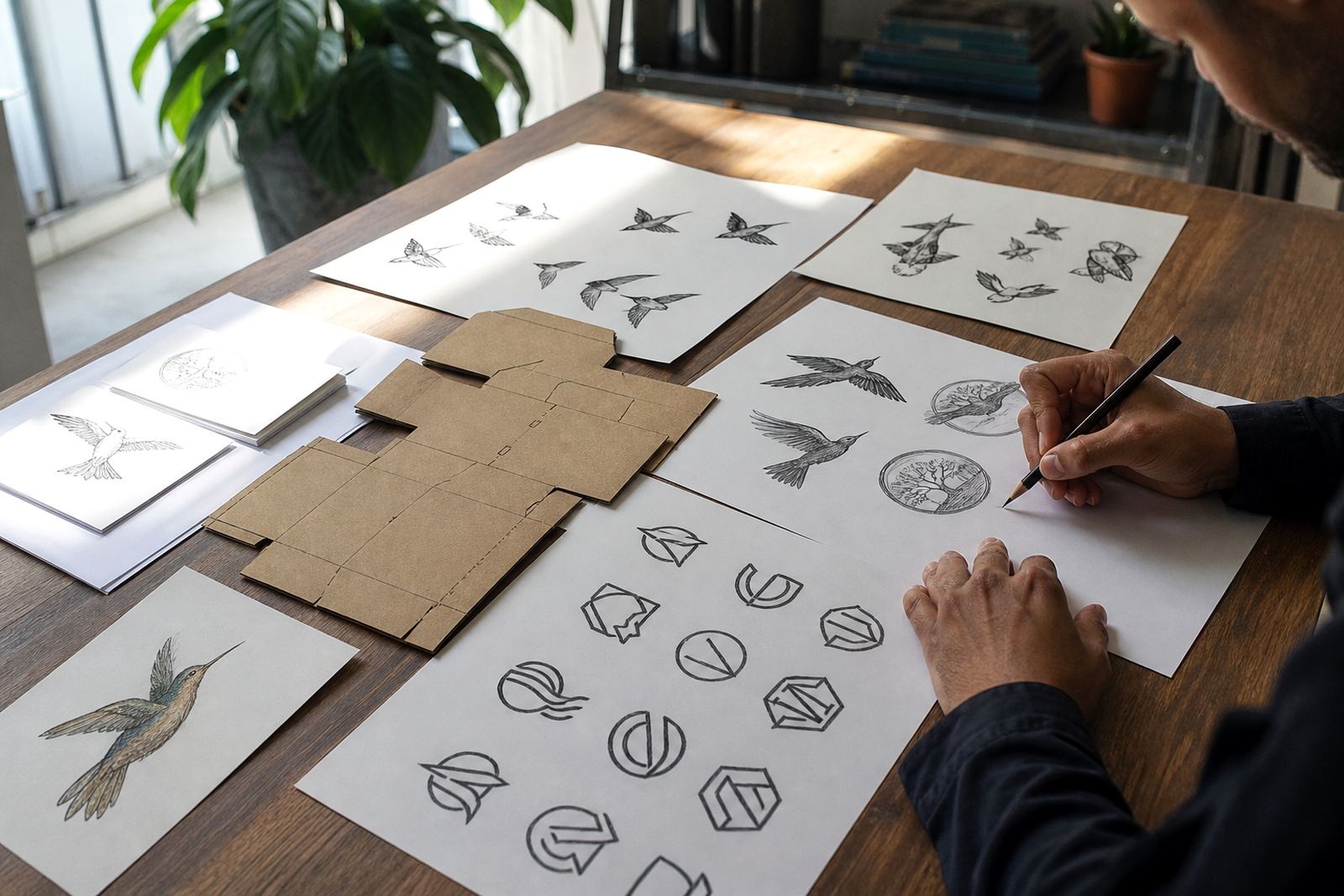
A hand redraw is different. The logo is rebuilt with care, using the original shapes as a guide while correcting line weight, corners, spacing and balance. That matters for packaging because every millimetre shows up on the shelf. If a logo sits on a premium food label or a small health product carton, the difference between traced and redrawn artwork can be very clear.
- Tracing follows the image as it is, including distortions.
- Redrawing rebuilds curves, corners and spacing from the ground up.
- Illustration work can be added at the same time, such as badges, icons or scene elements.
- Better source artwork makes print and finishing work simpler for suppliers.
File formats printers ask for, and why they matter
When a packaging job leaves the studio, the file format matters as much as the artwork itself. Print suppliers usually need vector files they can scale without quality loss. The most common formats are SVG, EPS, PDF and AI, each serving a slightly different purpose in production and handover.
SVG is useful for clean digital use and simple scaling. EPS is widely accepted in print workflows. PDF is often preferred for proofing and sending artwork through to a printer. AI files are helpful for editing and internal design work when the artwork needs to stay flexible. If a pack has a label, sleeve and outer box, having these formats ready saves time later when sizes or panel content change.
- SVG for scalable digital and artwork use.
- EPS for many print workflows and conversions.
- PDF for proofing and sending to production.
- AI for editable working files when further changes are needed.
When packaging needs more than a logo
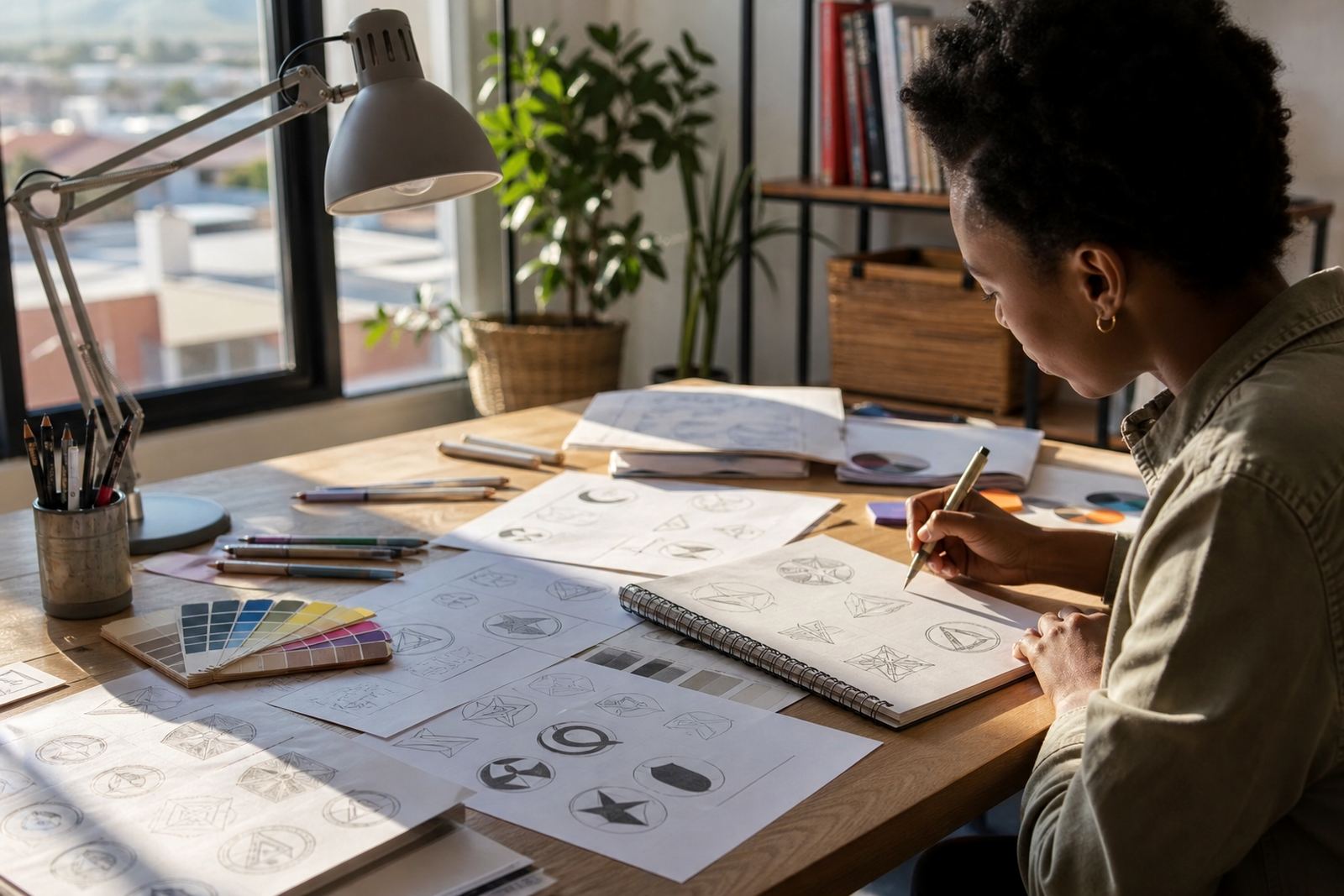
Some packs only need a cleaned-up mark, but many need supporting illustration too. A logo on its own may not carry the whole shelf presence, especially on products that rely on flavour cues, local identity or clear technical information. That is where hand-drawn vector illustration can help, whether it is a badge, pattern, map, menu-style icon set or a simple scene element.
Supporting artwork can be used across multiple pack sizes, outer sleeves, tags and inserts. It also helps keep a product range consistent when one item needs a stronger visual cue than the rest. For a beverage range, for example, the main logo might stay consistent while flavour icons, texture motifs and product illustrations change from variant to variant.
- Custom brand icons for pack callouts and product markers.
- Pattern illustration for wraps, liners and backgrounds.
- Badge illustration for labels, seals and range identifiers.
- Scene illustration when the pack needs a stronger story on shelf.
A local packaging example from the Western Cape
Think of a Stellenbosch bakery or a Paarl food producer updating jars, sleeves and shipping cartons. The old logo may be a scanned image passed around for years, with thin edges and uneven spacing. On a small label, those flaws become obvious. On a larger carton, the artwork may suddenly look out of balance against the rest of the design.
In that kind of job, a redraw gives the printer a cleaner base. If the business also wants a line illustration of the product or a simple map graphic showing where it is produced, that can be prepared as vector artwork too. The result is easier to apply across retail packs, export cartons and promotional material. It also saves time when the label supplier asks for a version without tiny text or with stronger contrast for flexo printing.
For businesses in Cape Town, Johannesburg, Durban, Pretoria and Bloemfontein, the same principle applies. Packaging has to survive different print methods, different pack sizes and different retail settings, from small delis to large distributors. A good file set avoids a lot of back and forth.
What to send, and what rights you need
Before any redraw or illustration work begins, the client should have the right to use the artwork they send. That applies to logos, mascot artwork, hand sketches, old brochures and any images that form part of the brief. If the artwork belongs to someone else, or if rights are unclear, it can hold up the whole pack project.
A clear brief also helps. The more the studio knows about the packaging size, print method and where the artwork will appear, the better the final files will fit the job. If there are municipal or retail requirements, such as barcode clear space, ingredient panels or small-format labelling, those should be mentioned early as well. That saves time when the pack goes to print and helps avoid changes at the last moment, which everyone wants to avoid when the deadline is tight.
- Send the highest quality source artwork you have, even if it is rough.
- Confirm you own the artwork or have permission to use it.
- Tell us the pack type, size and print process.
- Share any text, marks or illustration elements that must stay in place.
How South African brands file packaging artwork
Packaging work often starts small and then grows. A label becomes a full product line, then a secondary pack, then a trade presentation sheet. If the logo and illustration files are not organised from the start, every new version becomes harder to manage. Good vector files make life easier for printers, marketers and in-house teams alike.
Vectorization Studio works from Observatory in Cape Town and assists businesses across South Africa, including Johannesburg, Durban, Pretoria, Bloemfontein, Port Elizabeth, Stellenbosch and Paarl. The team handles logo redraws, vector illustration and supporting artwork for packaging, always with the aim of producing files that are practical for print and easy to reuse. It is a careful process, but that is exactly what packaging needs.
For businesses that want cleaner pack files, the best time to fix the artwork is before the next print run. Once the files are sorted, the rest of the production chain becomes much simpler.