Vector artwork, in plain terms
Vector artwork is built from points, lines and curves instead of fixed pixels. That means the file can be resized up or down without going soft, blocky or jagged. If you have ever stretched a small logo and seen the edges fall apart, that was a bitmap file telling you it was not made for scaling.
For many South African businesses, this matters from day one. A logo may need to sit on a WhatsApp profile, a municipal tender document, a delivery van, a shop sign and a stamped invoice. One artwork file should handle all of it, provided it is prepared properly.
- Vector files are ideal for logos, icons, diagrams and line art.
- Bitmap files are better for photos and detailed image effects.
- Good vector artwork stays sharp on small labels and large print runs alike.
Bitmap tracing is not the same as a proper redraw
A lot of people think tracing a logo from a low-resolution image is enough. Sometimes it is not. Auto tracing can be useful for simple shapes, but it often copies dust, rough edges and awkward curves from the original file. The result can look acceptable at a glance, yet fail when a printer enlarges it or a sign maker asks for clean paths.
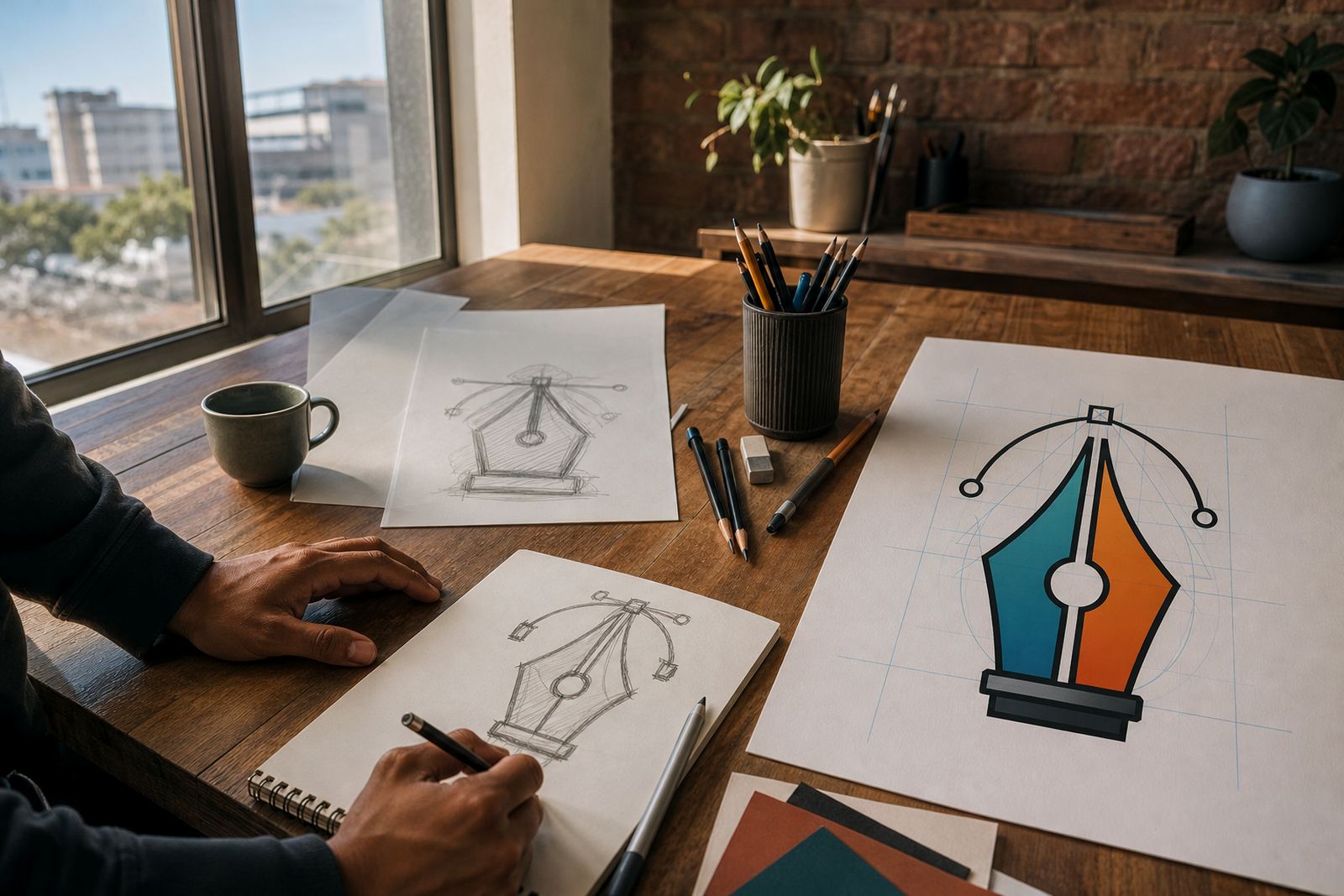
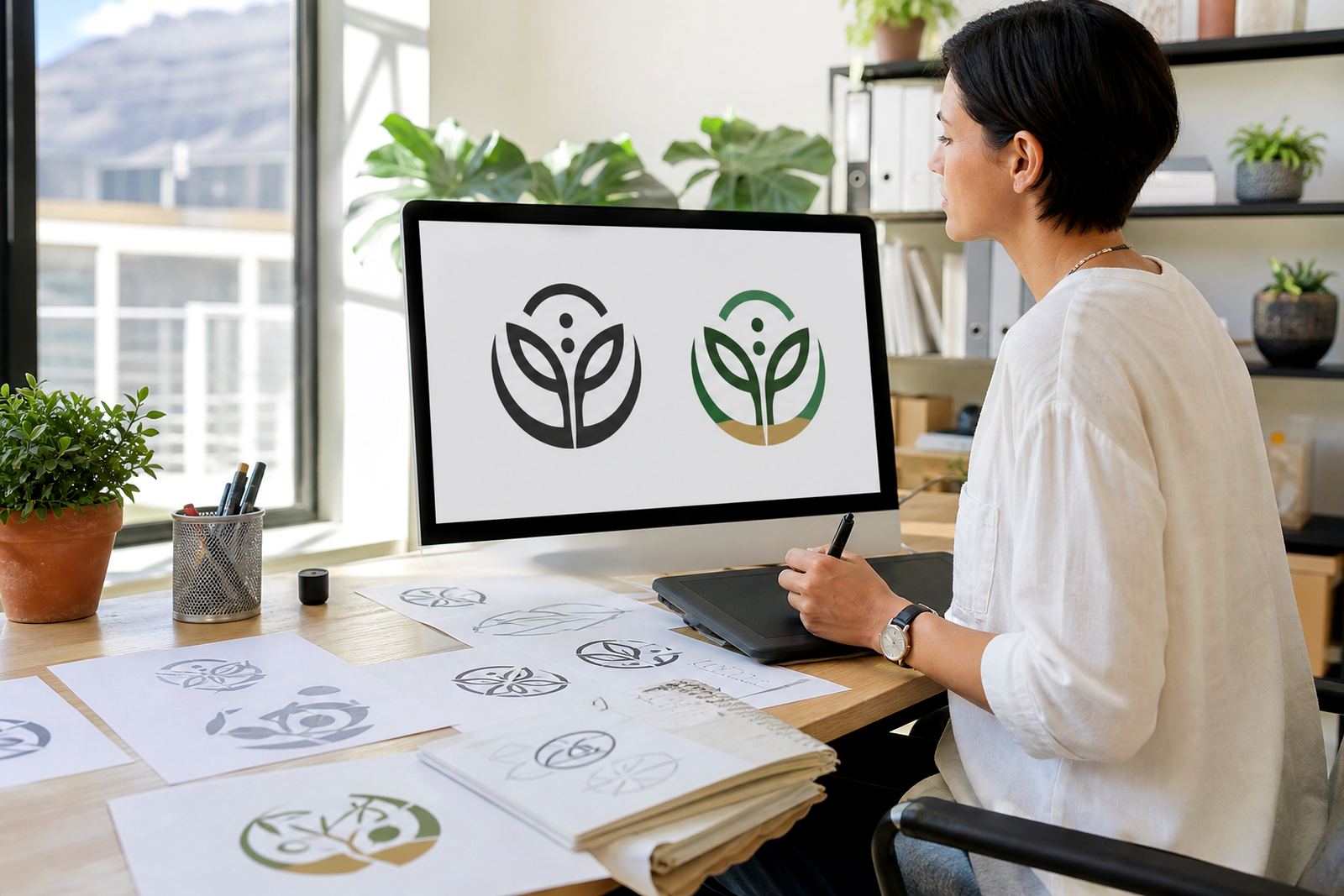
A hand redraw takes more care. The artwork is rebuilt by eye, with attention to spacing, curve balance and line weight. That is especially useful when the source image is a photo, a screenshot, an old scan or a faded PDF. In those cases the aim is not to copy the flaws, but to recreate the logo in a cleaner format that keeps the original character.
- Bitmap tracing works best for simple artwork in fair condition.
- Hand redraw is better for damaged, tiny or inconsistent source files.
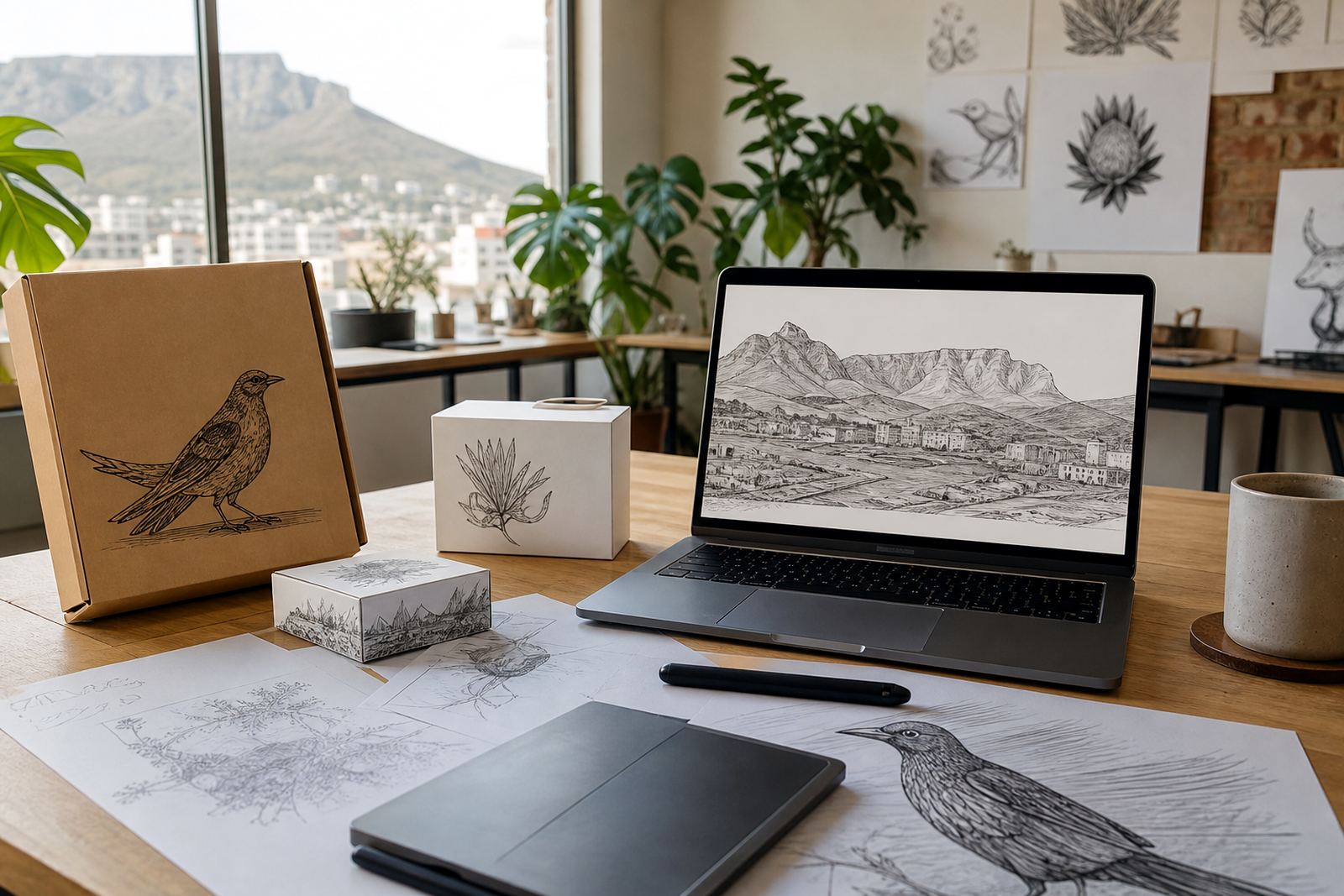
- Illustration work often needs manual redrawing anyway, because detail matters.
Why clean vector files save time later
Once a logo is properly converted, it becomes much easier to use across print and digital jobs. Printers, embroiderers, sign makers and packaging teams usually prefer vector files because they can separate colours accurately and scale the artwork to the required size. That helps avoid rework when a file arrives in the wrong format or with missing detail.
In practice, a tidy vector file can make approvals smoother too. If your business is in Observatory and you are sending artwork to a supplier in Durban or Pretoria, you do not want to be explaining why the logo looks fuzzy on the proof.
- Vector files are easier to adjust for size, colour and layout changes.
- They are better suited to laser cutting, vinyl cutting and screen prep.
- They help keep brand colours and line thickness consistent across jobs.
The file formats clients usually ask for
Different jobs call for different delivery formats. The most common are SVG, EPS, PDF and AI. SVG is widely used for web and digital work because it scales neatly and keeps file sizes manageable. EPS is still common in print and sign work. PDF is handy because many suppliers can open it without trouble. AI is often requested when a design team needs the fully editable working file.
Not every format suits every use, and a good handover usually includes more than one version. A black version, a white version and a full colour version can all be useful. If the artwork includes fine detail, it may also need a simplified version for small sizes such as social profile images or sticker sheets.
- SVG for web use and simple digital placement.
- EPS for print, signage and production work.
- PDF for easy sharing with suppliers and clients.
- AI for editable working artwork in design workflows.
When a logo needs redraw, not just conversion
Some logos are perfectly fine as they are. Others need more than a file conversion. If the original artwork is blurry, pixelated or built from a screenshot, a redraw is usually the better option. The same applies when a business has an old mark that was created years ago and only survives in a poor scan or a flattened image.
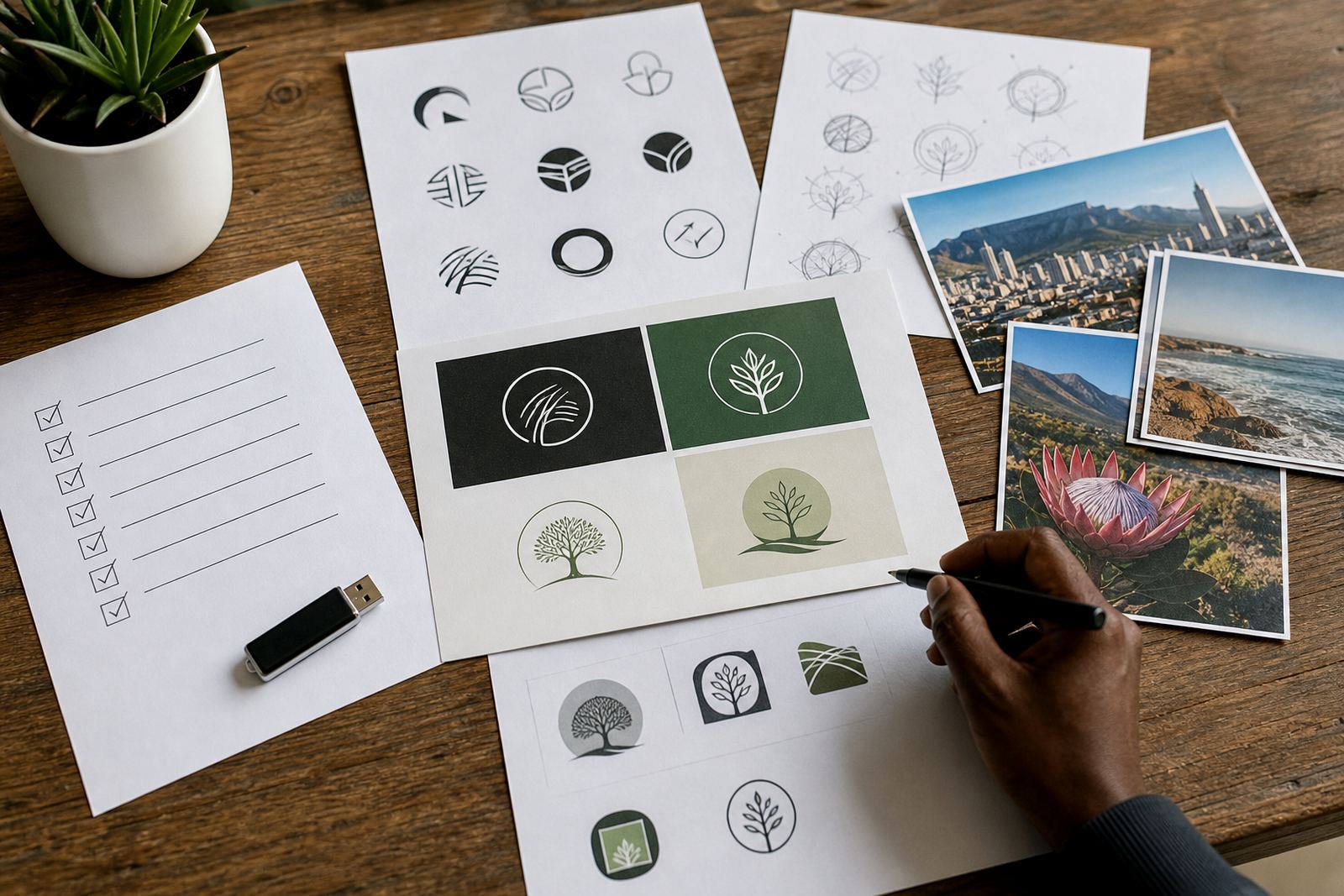
We often see this with family businesses, restaurants and contractors who have strong local name recognition but no usable artwork file. A redraw can preserve the familiar look while improving the spacing, curves and consistency. That is important when the logo has to work on packaging labels, vehicles and small social graphics as well as large print.
For example, a cafe in Stellenbosch might need a logo for menus, takeaway stickers and a painted wall sign. A bitmap can struggle in each of those uses. A proper vector redraw gives the business one clean master file that can be adapted without losing shape or clarity.
What to send, and what you must have the rights to use
Before any redraw or illustration work begins, the client should own the artwork or have permission to use it. That includes logos, mascot drawings, icons, maps and any reference material supplied for the job. If the artwork belongs to someone else, it should not be redrawn or repurposed without the right approval. That keeps everyone on the correct side of copyright and avoids trouble later.
It also helps to send the best source you have. A clean scan, a high-resolution image or the original vector file is always better than a photo of a printout. If colours matter, include a sample or reference note. If the job is for signage, packaging or embroidery, say so early because the artwork may need small adjustments for that use.
- Send the clearest source file available.
- Confirm that you own the artwork or have rights to use it.
- Tell the artist where the file will be used so the output is suitable.
A practical approach for businesses across South Africa
Whether you are in Cape Town, Johannesburg, Durban, Pretoria or Bloemfontein, the goal is the same: artwork that behaves properly in the real world. A strong vector file should print cleanly in a boardroom proposal, hold up on a delivery bakkie and still look sharp on a phone screen. It should also be easy to hand to a supplier without extra fixing.
That is why good vector work is less about decoration and more about control. It gives a business one set of usable files for the jobs that matter, from branding and packaging through to badges, menus, maps, stickers and social graphics. If the artwork is built well from the start, the rest becomes a lot simpler.
For many teams, that is the difference between a file that keeps causing problems and one that gets used properly everywhere. A clean vector is not fancy, it is practical, and in day to day work that makes all the difference.