Start with the cleanest version of the artwork you can find
The best starting point is always the clearest version of the logo or illustration. If you have the original artwork, send that first. If not, a sharp scan or a high-resolution image can still work, especially when the goal is to redraw the logo into vector file formats such as SVG, EPS, PDF or AI.
For bitmap tracing, clear edges and decent contrast help a lot. For a hand redraw, the reference can be less perfect, but it still needs enough detail to show letter shapes, spacing and any small marks or symbols. A blurry WhatsApp image can be usable for guidance, but it is rarely ideal on its own.
- Send the original artwork if you have it
- If scanning, aim for 300 dpi or higher
- Use a flat scan rather than a photo of a page
- Keep colour copies and black-and-white copies if both exist
Check that you own the artwork or have permission to use it
Only send artwork that your business owns or has rights to use. This matters for logos, icons, mascots, patterns and any other illustration that came from a designer, supplier or previous agency. If the file belongs to someone else, you may need written permission before it can be redrawn or adapted.
This is one of the most important parts of the process, because a clean source file is only useful if you are allowed to use the artwork in the first place. For South African businesses, that can include old stationery artwork, packaging marks, menu graphics or a sign board design from years ago. If you are unsure, rather check the rights before sending it through.
List the file formats and sizes you need at the end
Before the work starts, think about where the final artwork will be used. A logo for a website may need SVG and PDF. A print job may need EPS or AI. A supplier doing packaging or signage may ask for a different export size, colour mode or bleed setting. The more clearly you explain the end use, the easier it is to prepare the correct output.
If you are not sure which format suits each use, write down the applications you need. That gives the artist a proper brief instead of a guess.
- Website and digital use
- Printing on letterheads, labels or flyers
- Large-format signage or vehicle graphics
- Packaging, menus, stickers or folders
- Future edits by your own designer or printer
Gather readable text, spellings and brand details
Many redraw jobs slow down because the text in the artwork is hard to read. Send the correct brand spelling, tag line, product names and any special punctuation exactly as they should appear. If the logo includes a date, township name, area reference or Afrikaans wording, include that too. One small spelling error can carry through the whole redraw if nobody catches it early.
It also helps to note whether the lettering should stay as close to the original as possible or whether you want a cleaner update. For some businesses in Cape Town, Johannesburg or Durban, an old mark may need to keep its character while still being made ready for modern print and digital use.
- Exact brand name and punctuation
- Tag line, if it must appear
- Any wording in another language
- Preferred capital letters or lower case
- Notes on what must stay unchanged
Show examples of the style you want, not just the file you have
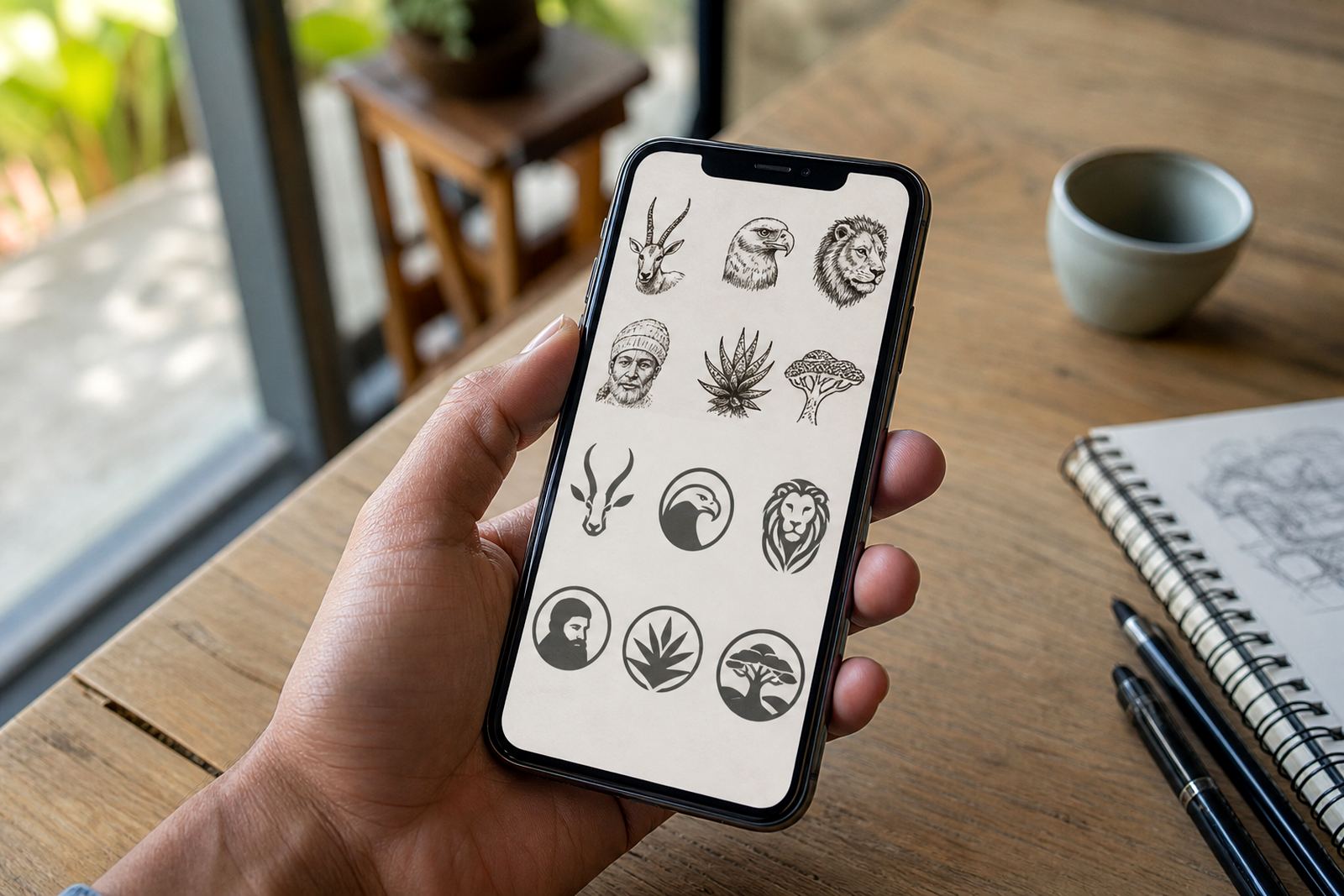
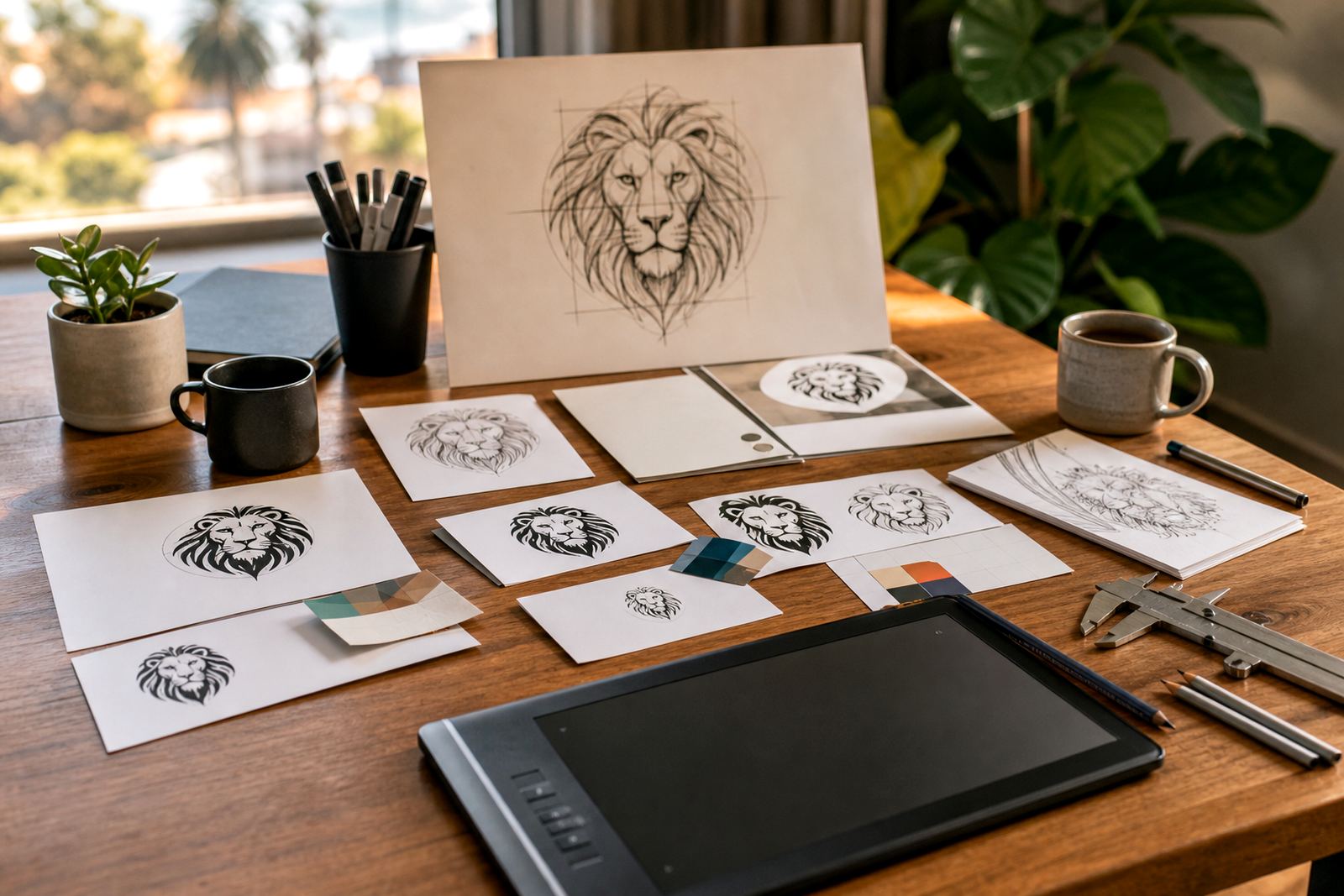
If you want a hand-drawn vector illustration rather than a direct trace, share reference images that show the style you like. That could be a mascot pose, a line weight, a badge layout, a map style or the feel of a pattern. It does not need to be an exact copy. It just needs to show the direction clearly.
For example, a coffee shop in Observatory might need a custom icon set for menus, stickers and social graphics. One file may only show an old logo, but the new artwork may need to work across all of those uses. A few visual references and a short note about the mood, subject and colours can make the brief far more useful.
Tell us where the artwork will be used in South Africa
Use matters. A logo for a coastal business in Port Elizabeth may need to hold up in humid conditions on signage and printed menus, while a Pretoria office may need it for reports and presentation covers. A Durban client might need artwork that prints cleanly on labels and packaging, even when stock moves through different printers.
Give the practical details early, including the sizes, materials and any municipal or supplier rules you already know about. If the artwork will be used on a shopfront, vehicle, sticker sheet or branded folder, say so. That helps the redraw or illustration be prepared with the right line thickness, spacing and file setup from the start.
A simple file checklist before you send anything
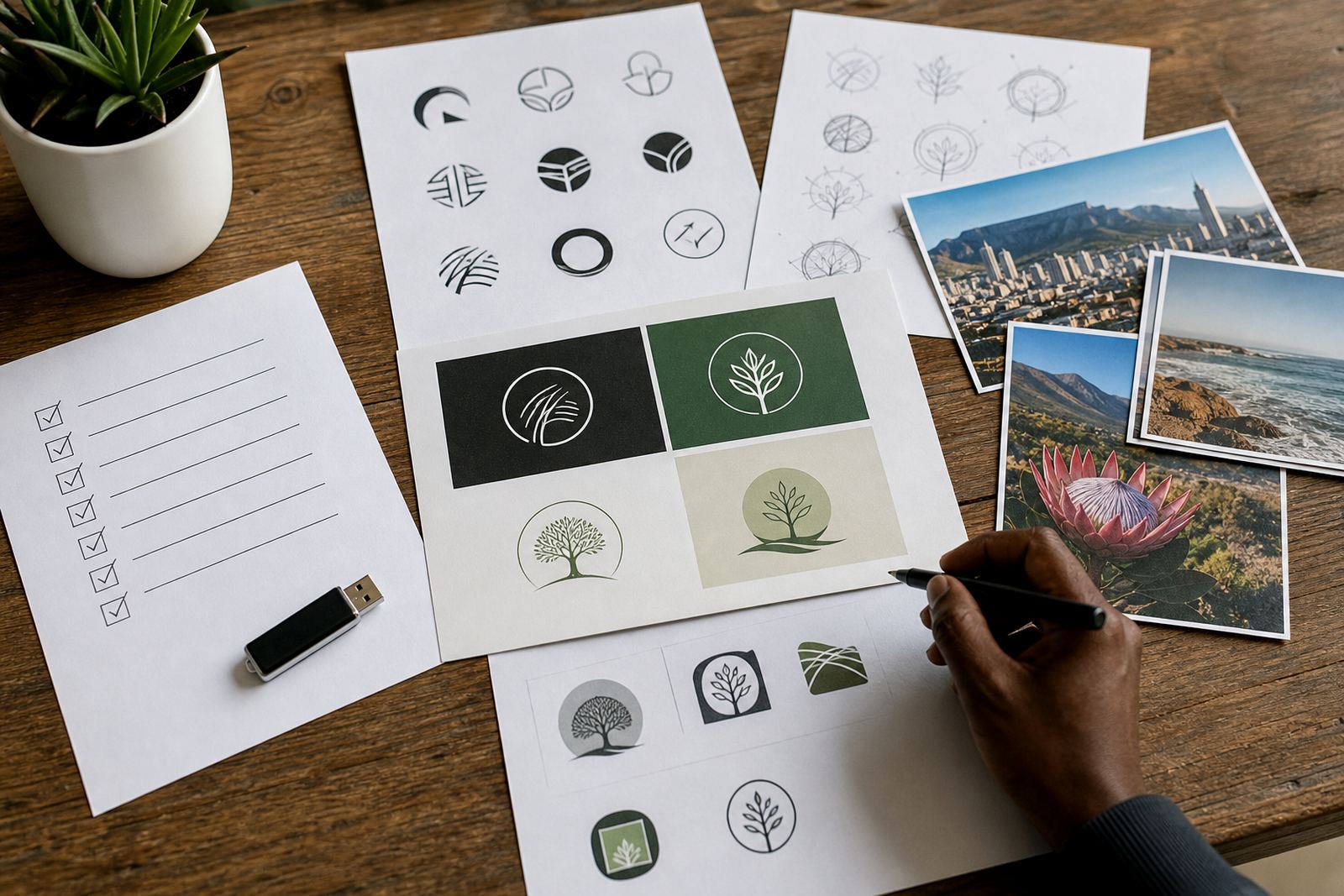
Use this final check before you submit your artwork for redraw or illustration. It keeps the brief tidy and cuts down on back-and-forth later.
- Best available source file or scan
- Proof that you own the artwork or have permission
- Exact spelling of all text
- Preferred file formats for delivery
- Where the artwork will be used
- Any old versions that should be matched or avoided
- Style references for illustration work
If you can attach all of that in one go, the process is much smoother. It gives the artist the right starting point and helps the final vector files land in the format your printer, sign maker or in-house team can use straight away.