What a gradient logo redraw actually does
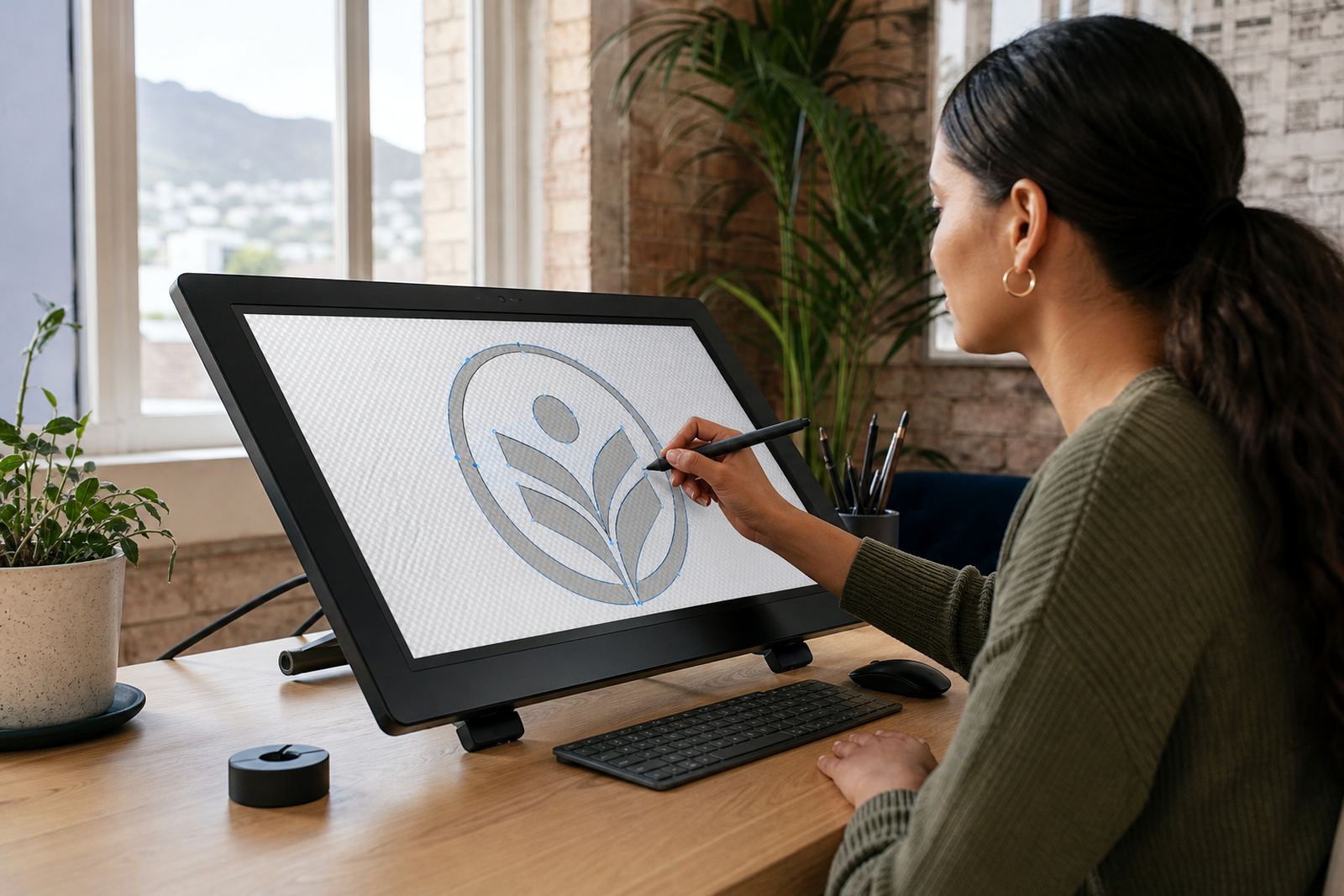
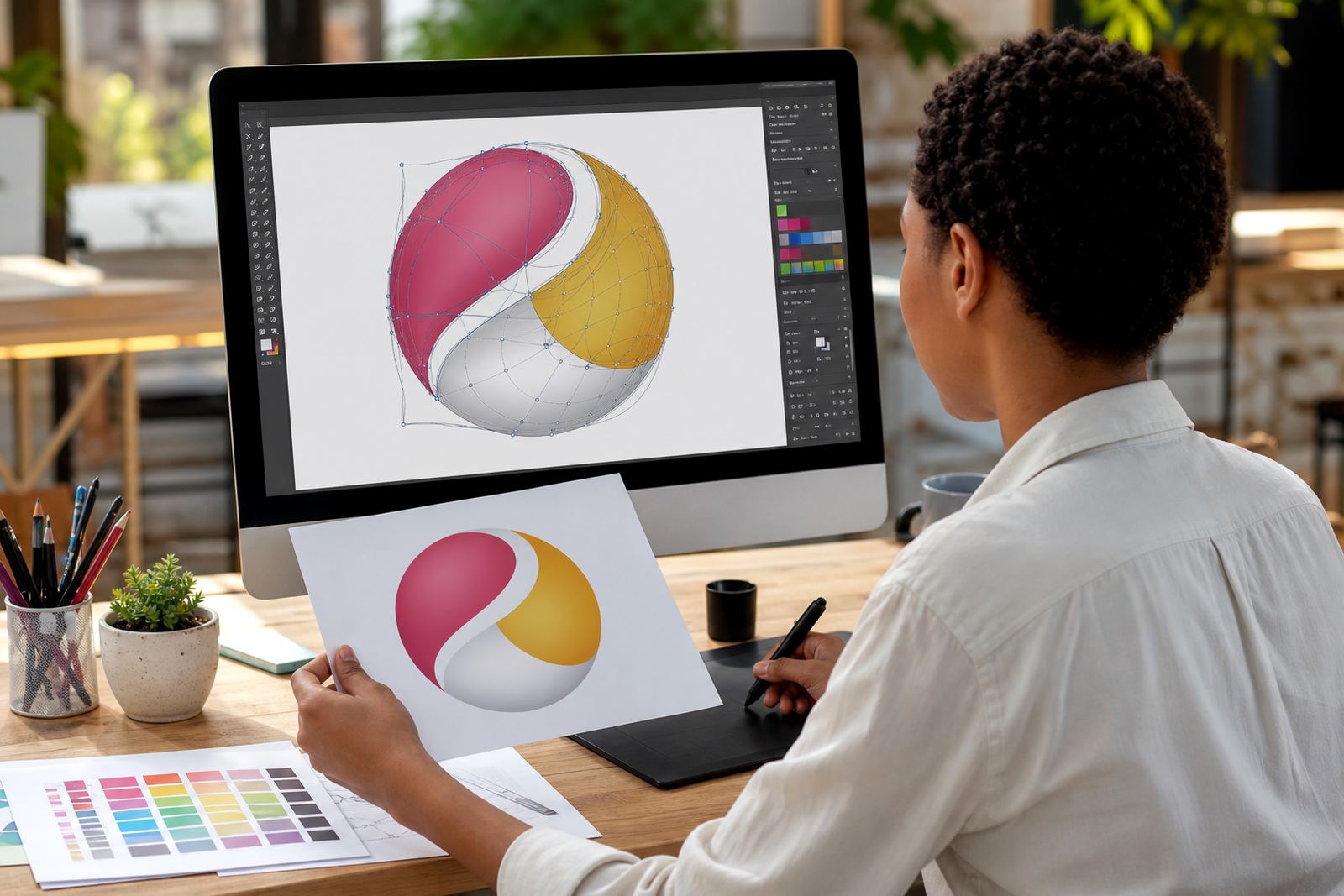
A gradient logo redraw takes an existing logo with fades, blends or multi-colour transitions and rebuilds it as vector artwork that can be edited later. This is different from a quick bitmap trace, which often follows the picture too closely and can leave rough edges, muddy colour changes or extra anchor points that become a problem in print.
We redraw the artwork by hand where needed so curves, joins and fades are cleaner. That helps when a logo must be used on a board, a vehicle, a label or a presentation file. If the source image is low resolution, taken from a photo, or pulled from a social media post, we can still work from it but the final result depends on the clarity of the original. Customers must own the artwork or have permission to use it, especially where the logo belongs to a previous designer, supplier or employer.
For many South African businesses, a gradient redraw is the difference between a logo that only works on screen and one that can be used confidently on printed material, outdoor signage and embroidered items with a simplified version. You may want one master file and a few practical variants, and that is often the safest way to keep branding consistent without losing detail.
File formats and the versions most printers ask for
We supply vector formats that are commonly used by printers, sign makers and in-house marketing teams. These include SVG, EPS, PDF and AI. Each format has its place, and the right choice depends on where the artwork will be used and who will open it next.
SVG is useful for digital use and clean scaling. EPS is still widely accepted for print and production. PDF is handy when a client needs a file that can be viewed easily and sent on without changing the layout. AI is useful for teams that work in editable design software and need full access to layers and paths. In some jobs we also include a flattened preview copy for quick reference.
- SVG for websites, apps and scalable digital use
- EPS for print shops, signage and general production
- PDF for easy sharing and proofing
- AI for full editing in design software
If the logo has very fine fades or detailed shading, we may also recommend a simplified flat version alongside the gradient version. That gives you options when a printer asks for one-colour artwork or when the logo has to sit on a busy background.
Where gradient redraws work best in daily business use
Gradient artwork suits businesses that need a polished look across multiple materials. It is often used for reception signs, presentation packs, product labels, menu artwork, event branding and social graphics. It also works well for companies that want one strong master logo but need different outputs for web, print and large-format use.
In places like Cape Town, Johannesburg, Durban, Pretoria and Bloemfontein, the practical challenge is often not the design itself but the conditions around it.A careful vector redraw helps reduce those headaches because the artwork is cleaner from the start.
Gradient redraws also suit businesses that need a logo for:
- Packaging and labels where colour shifts must print properly
- Office stationery and letterheads
- Stickers and decals
- Vehicle graphics and temporary event branding
- Social media headers and profile artwork
How we handle the redraw from source file to final artwork
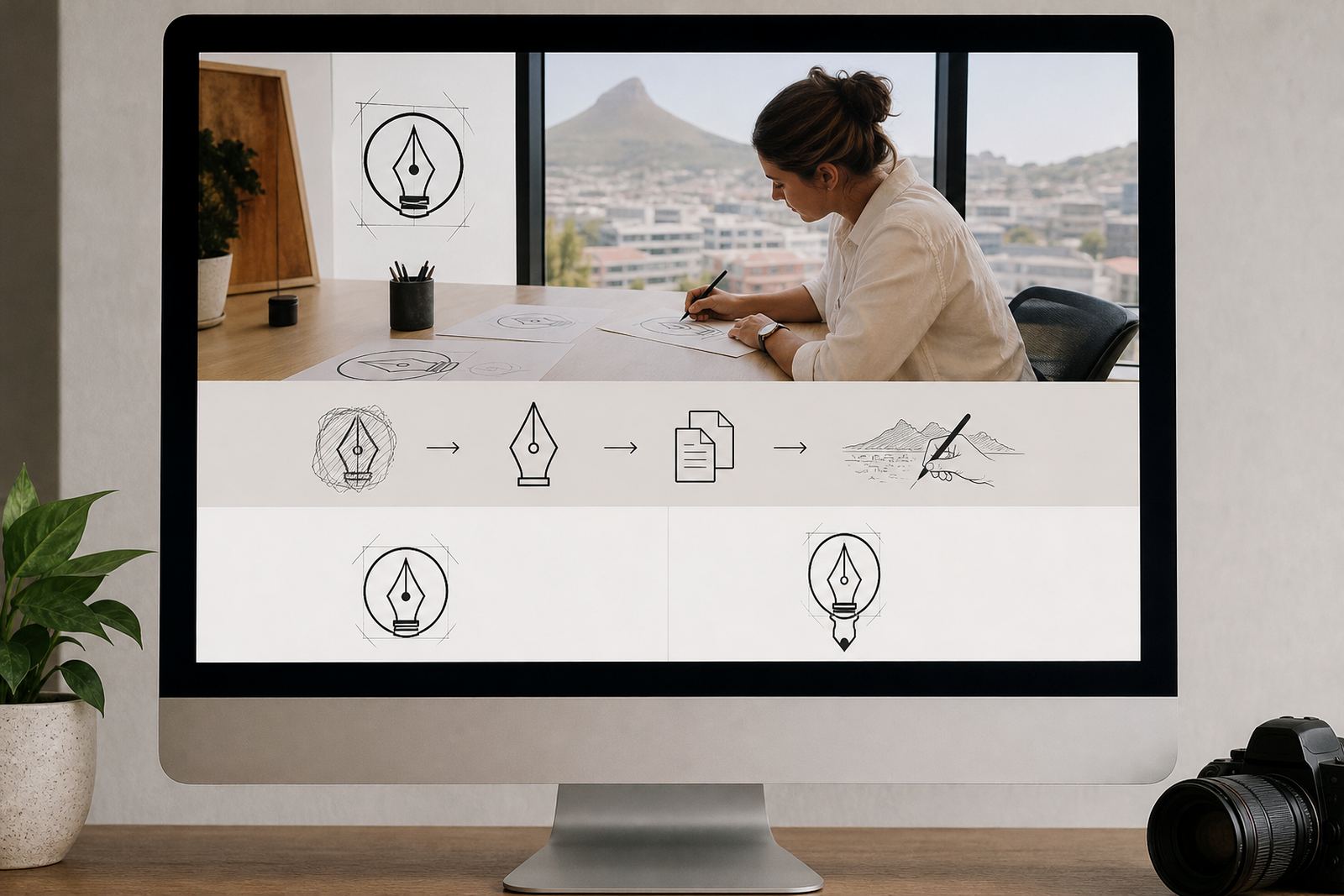
We begin by checking the file or image you send through. If the artwork is a photo, screenshot or compressed bitmap, we assess the edges, colour bands and any distortion before deciding whether a full hand redraw is needed. Bitmap tracing can be useful in some cases, but it is not always the best choice for logos with soft blends or uneven source files. Hand redraw gives better control over the curves and the colour transitions.
Once the structure is rebuilt, we refine the gradients so they look right at different sizes. A logo that works on a small sticker may need tighter control than one used on a vehicle panel or a fascia board. We also check for overlap issues, fine details that may vanish in print and colours that may shift when converted between screen and print values.
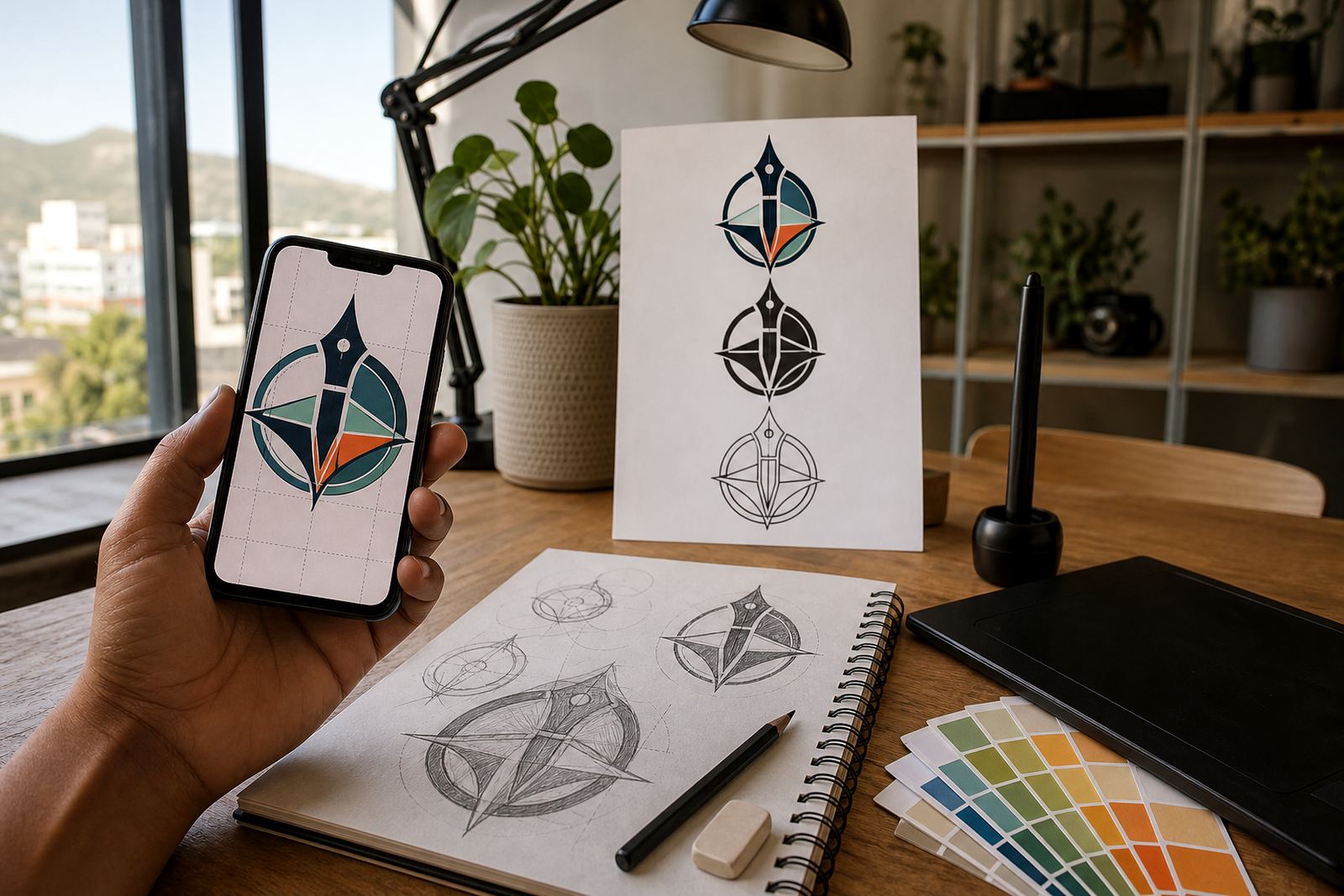
Where required, we can provide artwork in a set of practical versions: full colour gradient, simplified flat colour and one-colour artwork for stamping or single-colour printing. That means your logo stays usable across different applications without needing a new design each time.
What to check before you order
The best results come from clear instructions and the right source file. Before ordering, check that you can supply the original artwork or confirm that you have the right to use it. If the logo has been supplied by a previous designer, ask for permission or written confirmation before sending it on.
It helps to know where the final artwork will be used. A logo for a shop sign does not need the same setup as one for a tiny product label. Tell us whether you need print files, digital files, or both. If you know the substrate too, such as vinyl, paper, board, fabric or plastic, mention it. That lets us prepare artwork that is more suitable for the intended finish.
- Send the clearest source file you have
- Confirm that you own the rights or have permission to use it
- Say where the logo will be used, print or digital
- Tell us if you need a full gradient version plus flat versions
- Let us know if a printer has any file requirements
Also check any brand rules you already have, such as approved colours, spacing or size limits. If those are missing, we can still help but it is better when the job starts with a clear brief rather than guesswork.
Specs, care and ongoing file use
Gradient logo redraws are digital artwork files, so file handling matters more than anything physical. The important part is how the artwork is organised, versioned and passed on to printers or suppliers. Keep a master copy safe, store backups in more than one place and make sure everyone working with the logo uses the approved version. That helps avoid confusion when an older file turns up from a laptop or shared drive.
There is no physical fitting for the finished artwork, but production equipment may still need well-prepared files for the best result. If the logo will be cut, printed or plotted, the supplier may ask for outlines, embedded images or colour values in a particular format. We prepare the file with that in mind so the handover is straightforward.
For care and servicing, think of the artwork as a working file that should be checked from time to time. If your brand colours change, your website gets updated or you need a new application such as a round label or a dark background version, the vector file can be revised without starting over. That is one of the main advantages of vector format over a raster image that goes fuzzy when enlarged.
Key facts
| Product type | Gradient logo redraw in editable vector format |
|---|---|
| Typical file formats | SVG, EPS, PDF, AI |
| Artwork method | Manual redraw with vector cleanup and gradient refinement |
| Best suited for | Print, signage, labels, packaging and digital use |
| Service area | Observatory, Cape Town and clients across South Africa |
| Ordering requirement | Customer must own or have rights to the artwork supplied |