A retail mark that had to work everywhere
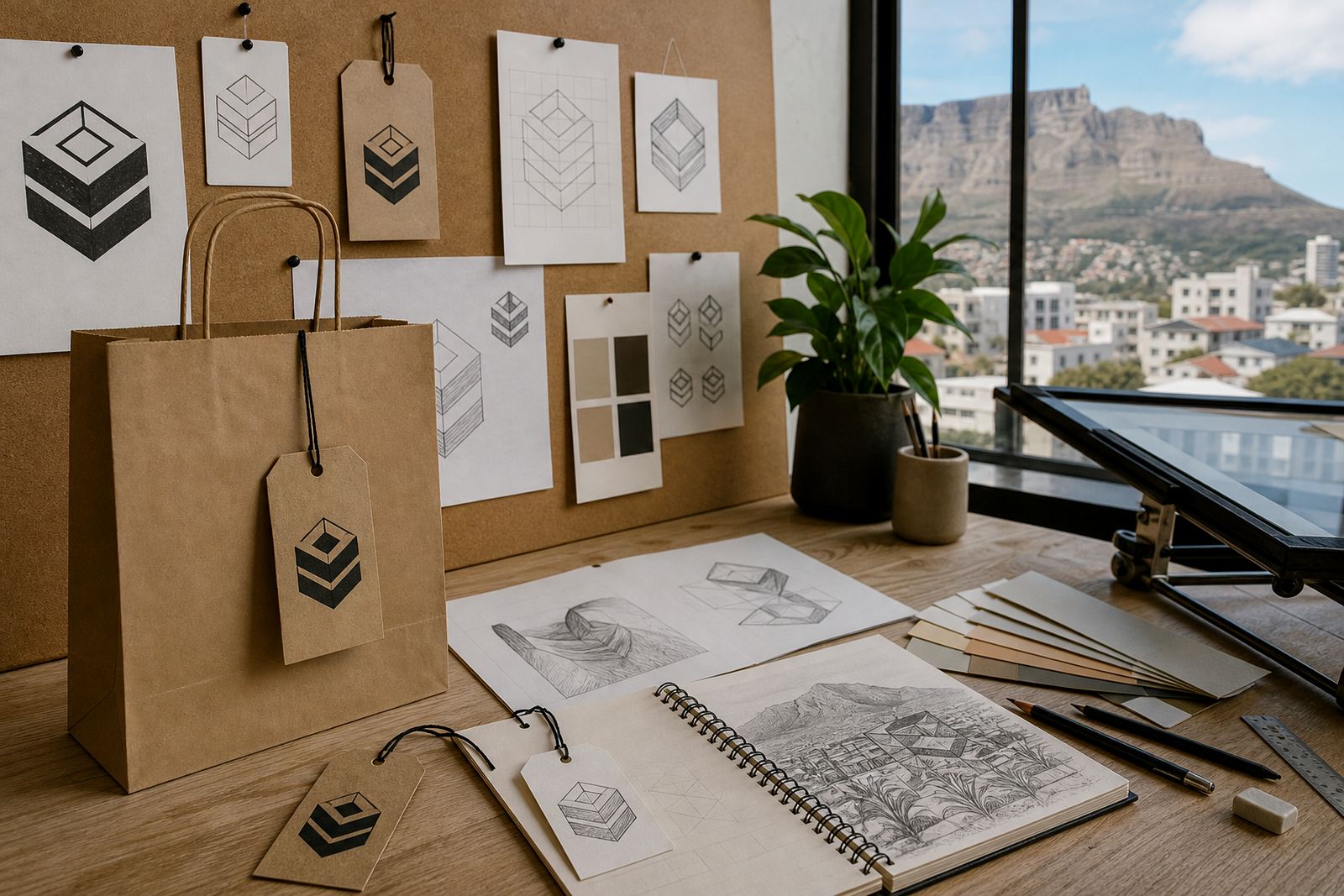
The client was a retail business in Woodstock, Cape Town with a mark that had to do more than look neat on screen. It needed to sit on swing tags, paper bags, till slips, window vinyl and street-facing boards without losing shape or legibility. The original artwork was low resolution and had a few small irregularities from years of copying between printers, which is common when a logo gets passed around in bitmap form.
We were asked to rebuild it properly as vector artwork so it could be used across print and signage with clean edges and consistent spacing. The team also wanted a version that would feel more suited to a growing retail range, while still keeping the recognition people already knew. That meant careful redrawing rather than a quick trace.
Brief, constraints and what had to stay true
The main brief was simple on paper: keep the mark familiar, improve the drawing quality and make it usable across a mixed set of retail applications. The practical constraints were stricter. The artwork had to work in one colour, reverse out on dark stock and stay clear when reduced for small labels. We also had to make sure the file set would be easy for a printer or sign shop to use without repeated cleanup.
- Source artwork was supplied by the client, and they confirmed they held the rights to use it
- The mark had to remain readable at small sizes for tags and stickers
- Curves, corners and letter spacing needed to be corrected by hand, not just traced
- Output had to suit SVG, EPS, PDF and AI delivery for print and production use
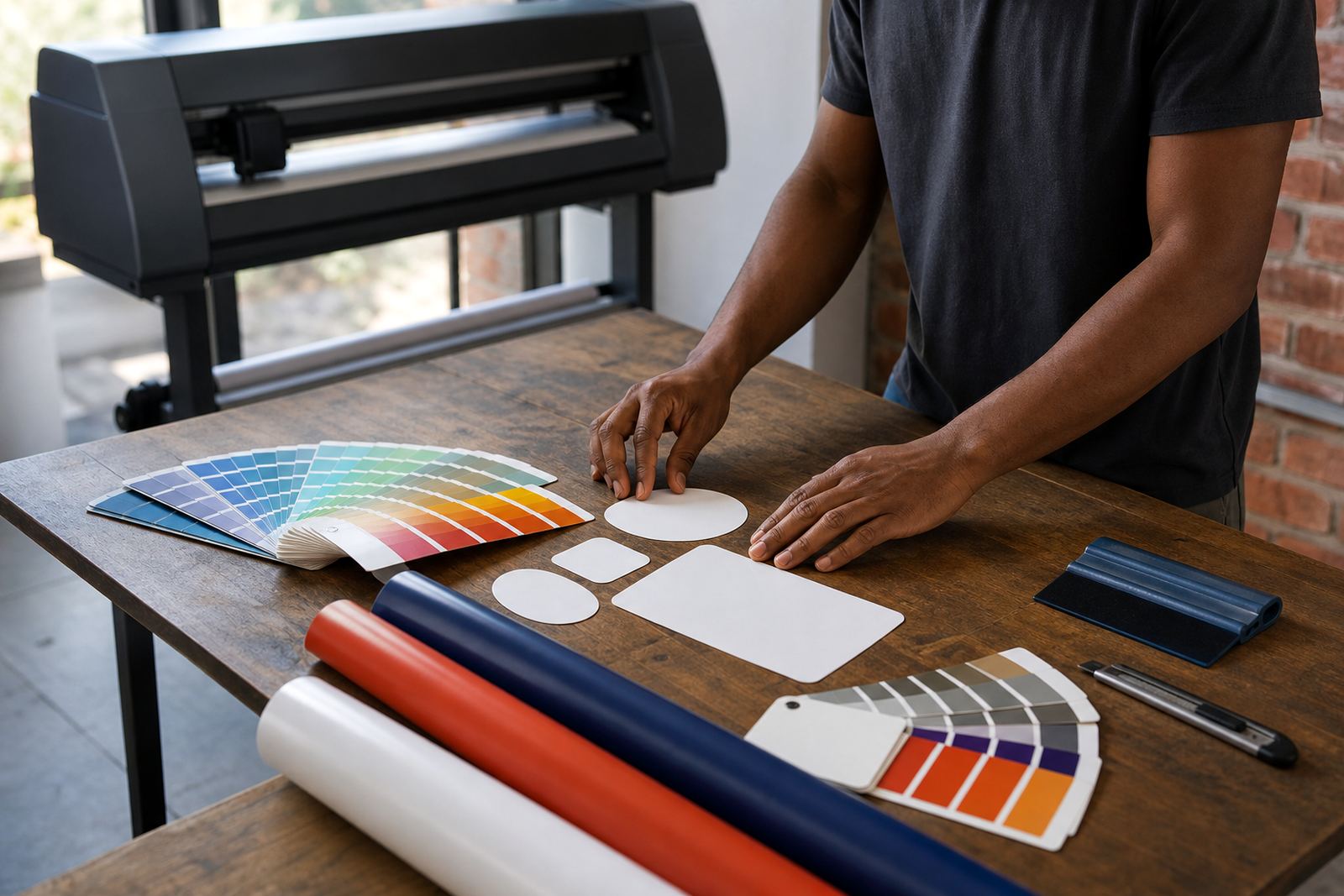
Because retail graphics often move between a digital file and physical output very quickly, we kept the build practical. The artwork needed to survive spot colour printing, vinyl cutting and the odd last minute change from a shop fitter without falling apart.
How we rebuilt the logo by hand
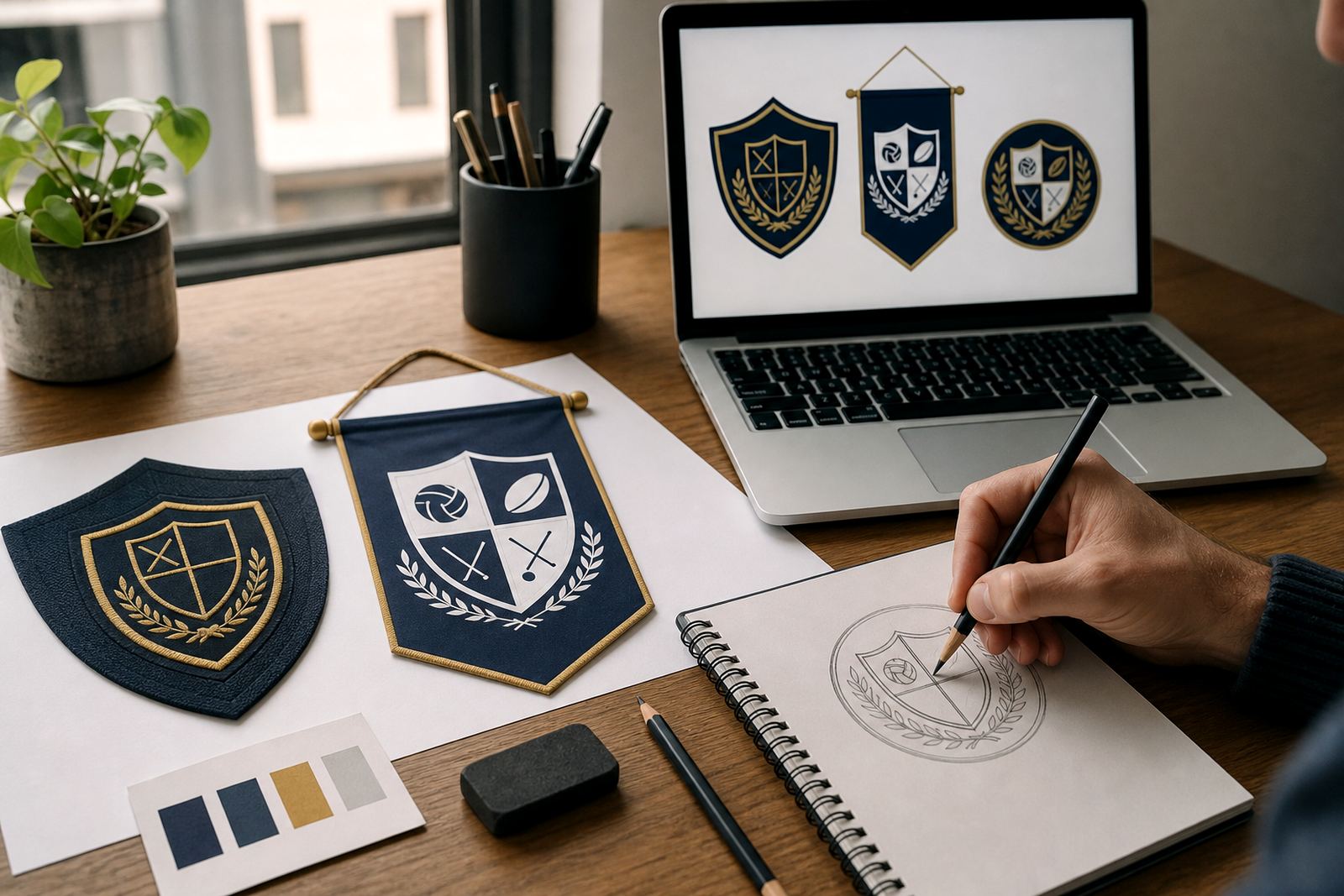
We started by separating the elements that could be cleaned up with vectorisation software from the parts that needed a hand redrawn approach. Bitmap tracing is useful when a shape is simple and the source is already neat, but it can leave wobbly curves, awkward joins and extra anchor points. For this project the stronger option was to redraw the core mark by hand and then refine the geometry for production.
That meant rebuilding the outline, balancing the internal spacing and adjusting the proportions so the logo felt even across different sizes. We also checked the line weights against likely print methods, because a detail that looks fine on a monitor can close up once it is printed on textured paper or cut into vinyl. The final artwork was prepared with clean paths, tidy layers and a file structure that a printer can open without hunting for missing pieces.
- Hand redrawn master artwork for cleaner curves and corners
- Vector output prepared for screen use, print and signage
- One colour and reversed versions supplied for flexible use
- Files organised for quick handover to design and production teams
Production ready files for tags, bags and storefront work
The finished mark was supplied in the standard vector formats that work best for South African printers and sign makers, namely SVG, EPS, PDF and AI. That gave the client a set of files that could be scaled up for shopfront graphics or pulled down for a tiny hang tag without becoming soft or pixelated. We also made sure the artwork could be separated cleanly if the retailer later needed a spot colour version or a single line version for stamping.
For a business in a busy inner-city retail area like Woodstock, that kind of flexibility matters. Printing often happens in stages, and a merchant may need packaging one week and window graphics the next. When files are set up properly from the start, there is less rework and fewer delays at the printer.
- SVG for digital and web use
- EPS for print houses and sign production
- PDF for sharing and approval
- AI for in-house design teams and advanced editing
Timeline, checks and the result on the shelf
The work moved through a straightforward three week process. In week one we reviewed the source file, clarified the usage needs and mapped out the redraw approach. Week two was spent on the hand redraw, spacing checks and format testing across small and large outputs. In week three we completed quality control, packaged the final files and prepared the handover notes for the client and their print supplier.
The result was a cleaner retail mark that held together on tags, bags and storefront graphics. The client could use the same master artwork across branches and suppliers without needing a new version each time. It also looked more settled when printed in a single colour, which is often where older logo artwork shows its weaknesses first.
What changed most was the consistency. The redrawn mark gave the brand a proper production file set, which is what retailers actually need when stock is moving and print orders are coming through in batches.
What we would carry into the next retail redraw
If we were doing a similar project again, we would keep the same method: confirm rights, inspect the source, decide whether bitmap tracing or full hand redraw is the better fit, then build the final files for real world use. Retail projects are rarely about making a logo flashy. They are about making it dependable across paper, vinyl, board and packaging, often in a hurry and under pressure from suppliers.
For this kind of work, a good hand redrawn vector file saves time later on. It helps with local print runs, coastal humidity on packaging storage, and the sort of everyday wear that shop graphics deal with in South Africa. The best outcome is not just a neat file, but one that is easy to reuse, edit and print without fuss.
If a business already owns the artwork or has permission to use it, we can turn it into a proper vector set for logos, icons or illustration work. That applies whether the job is for a single store in Cape Town or a wider retail rollout across the country.
Key facts
| Project | Woodstock Retail Mark |
|---|---|
| Client type | Retail business in Woodstock, Cape Town |
| Service | Logo redraw and vector artwork preparation |
| Deliverables | SVG, EPS, PDF and AI files |
| Timeline | 3 weeks |
| Use cases | Tags, bags, storefront graphics and packaging |