The Bellville brief and what was not working
The client was a trading business in Bellville serving customers across Cape Town and beyond. They had a small image file of their logo that had been passed around for years, but it had become soft, pixelated and difficult to use on print jobs, supplier paperwork and branded material. When enlarged, the edges broke up and the type lost clarity. That made the artwork awkward for anything from a simple letterhead to a larger signboard.
The brief was straightforward. Rebuild the logo properly, keep the look familiar to the existing brand, and supply files that a printer or signmaker could use without having to guess at the shapes. The client also needed artwork that would hold up on both light and dark backgrounds, and that could be reused across documents, labels and digital files without quality loss.
- Client type: Bellville trading business
- Problem: low-quality bitmap logo image
- Need: clean redraw for print and general business use
- Output required: EPS and PDF, with editable vector structure
How we handled the artwork rebuild
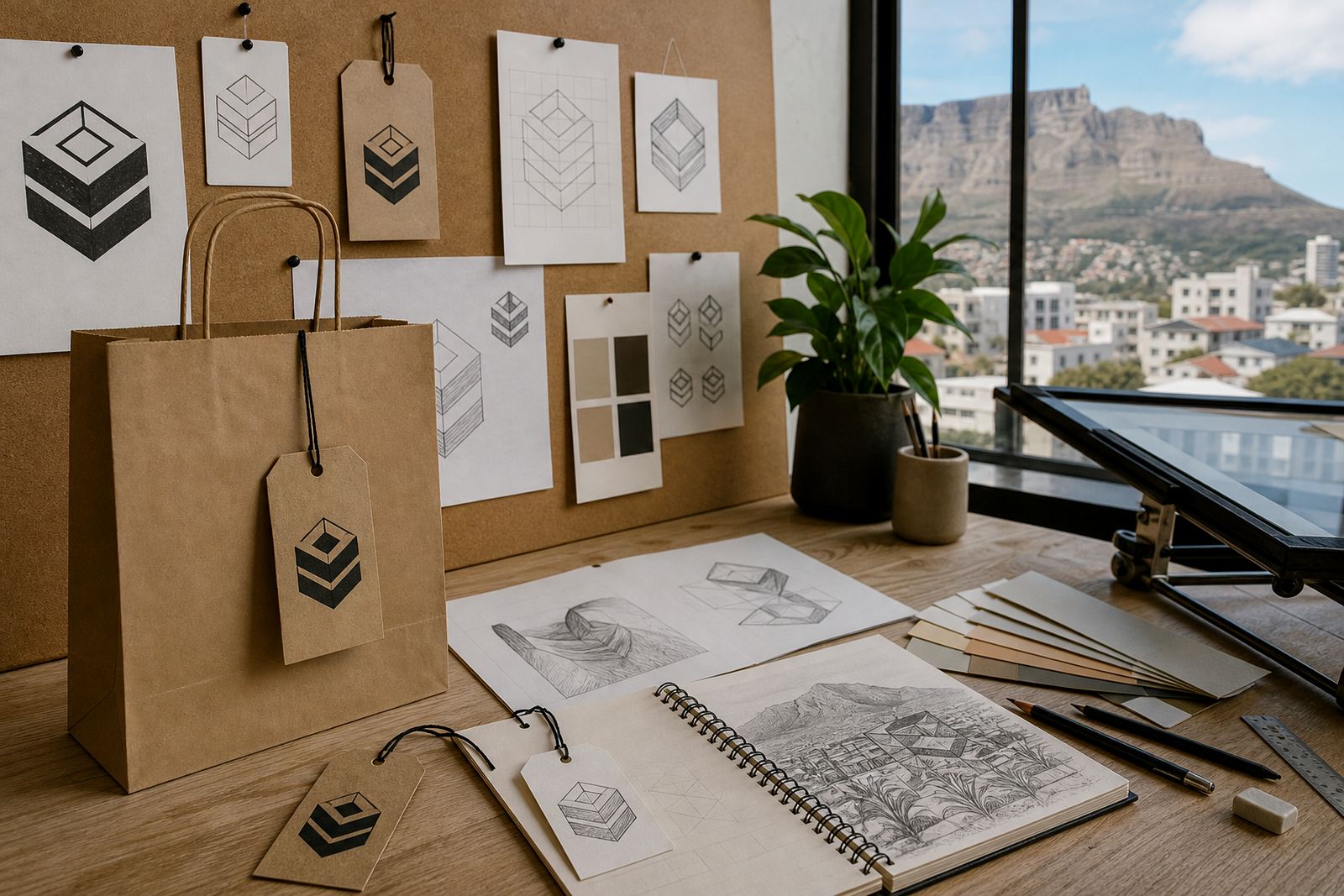
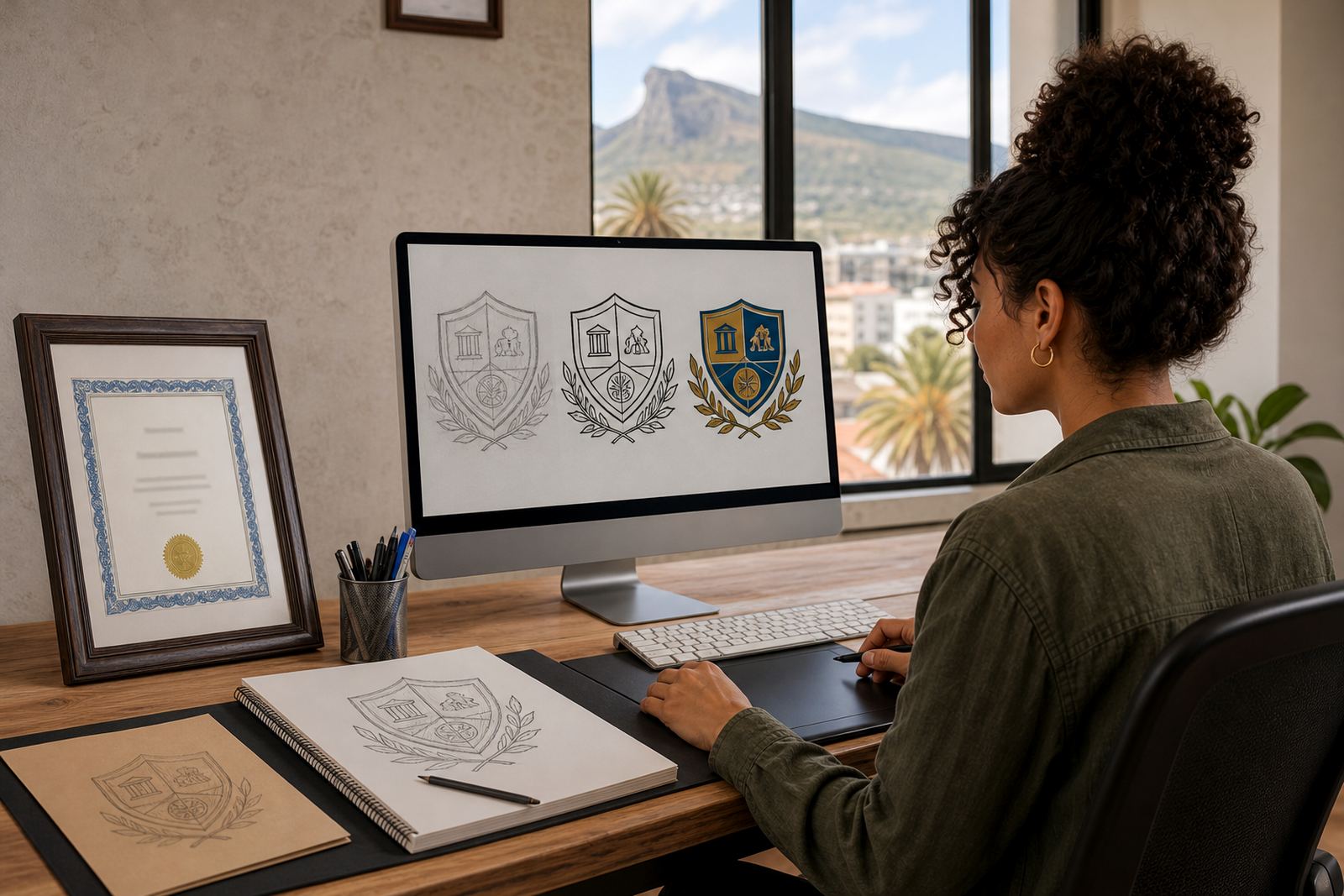
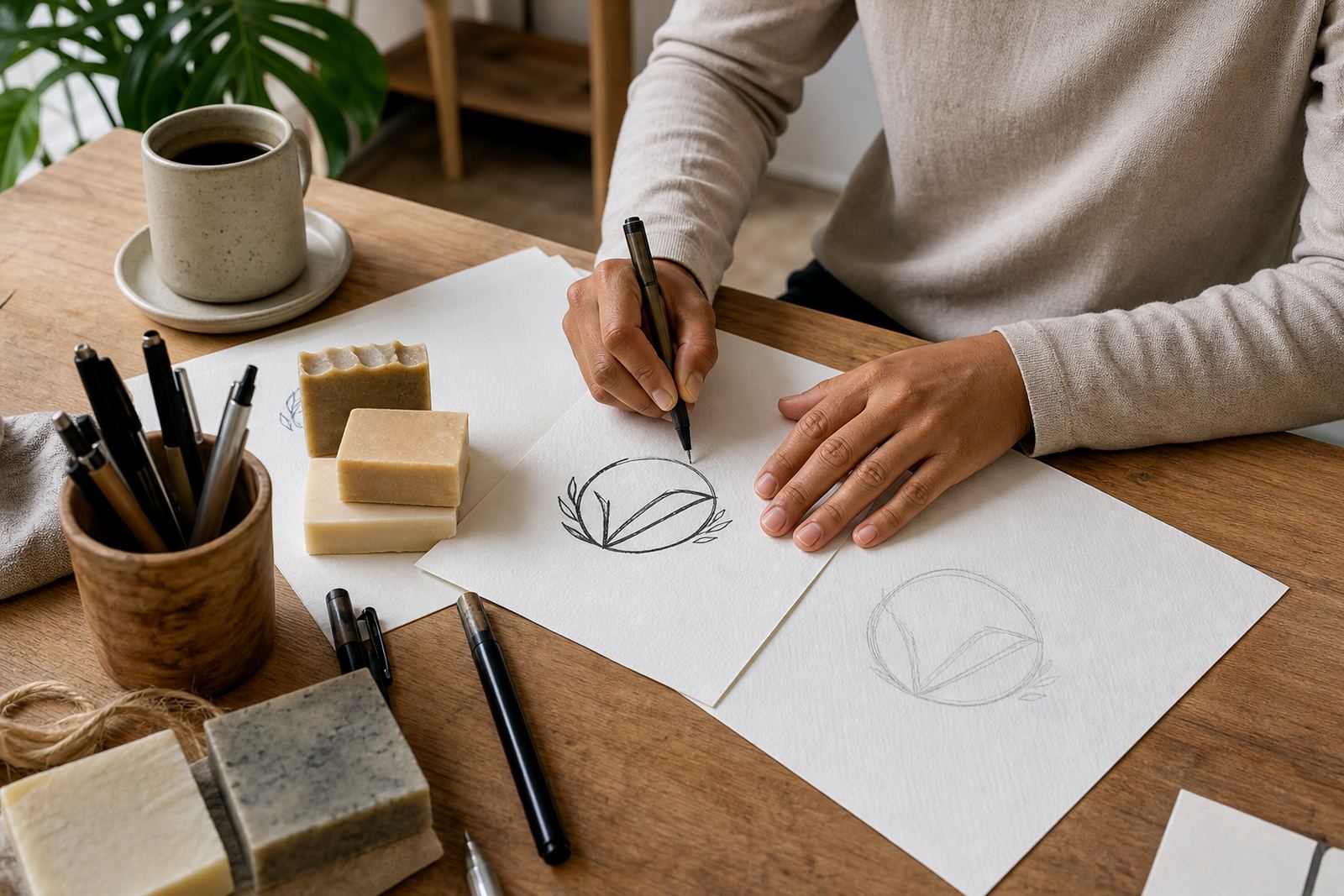
We first checked whether the supplied file was a bitmap trace candidate or something that needed a proper hand redraw. In this case the image had compression damage, blurred edges and uneven corners, so tracing it directly would have repeated the flaws. Instead, we redrew the logo by hand, rebuilding the linework, spacing and proportions from scratch while keeping the overall identity intact. That approach gives cleaner curves and better control over the final output.
Once the shapes were rebuilt, we prepared the artwork in vector format so it could scale without losing quality. We supplied EPS and PDF files for print use, and set up the structure so the artwork can be converted or prepared for other vector file formats when needed, including SVG and AI. The important part was that the logo could now be used at small and large sizes with sharp edges, proper alignment and consistent colour breaks.
- Hand redraw used instead of a direct bitmap trace
- Vector structure built for scaling and re-use
- Files prepared for printers, cutters and general office use
- Original look preserved where it made sense, while cleaning up the weak points
Rights, source files and practical use
Before any redraw work, the client confirmed they had the right to use the artwork they supplied. That matters, because we only work on logos and illustrations where the customer owns the artwork or has permission to have it redrawn. It protects both the client and the production process, especially when an old logo has been passed around between suppliers for years.
The final files were set up so the business could use them for standard trading requirements. That included printed quotes, invoices, packaging labels and signage work where a clean vector file is essential. We also made sure the artwork would reproduce properly on both coated and uncoated stock, since many trade businesses in the Western Cape still use mixed print stocks and simple one-colour applications.
- Artwork rights confirmed before work started
- Suitable for print, signage and internal documents
- Works on light and dark backgrounds where required
- Useful for trade counters, labels and municipal submissions if needed
Timeline, checks and file delivery
The redraw and file preparation took place over a short, practical timeline of 2 weeks. Week one focused on rebuilding the logo and checking the proportions against the supplied reference. Week two covered final clean-up, export prep and quality checks. We checked the line weight, corner joins, spacing between elements and the overall balance of the mark so the logo would stay clear when reduced for small print items.
Quality control matters on this kind of job because a logo can look acceptable on a screen but still fail in production. We checked the files in black, reversed-out and single-colour formats, then supplied the final EPS and PDF files ready for everyday use. The client wanted something that would save time later, and that is exactly what a proper vector redraw does.
- Project length: 2 weeks
- Files checked for print legibility and scaling
- Final delivery in EPS and PDF
- Prepared for re-use across multiple business applications
Why this kind of redraw helps a trade business
Trade businesses often need artwork that works in the real world, not just in a file folder. A decent vector redraw means the logo can be used on van decals, delivery notes, sign boards, invoices and catalogue pages without getting blurry or jagged. That is especially useful where suppliers request specific file formats and where local print shops need clean paths instead of a flattened image.
For this Bellville client, the real result was confidence. They no longer had to send a rough picture to every supplier and hope it came back looking right. The artwork now prints cleanly, resizes properly and gives the business a more settled look across its day-to-day material. It also saves time when a job needs a quick reprint or a new application in another size. No more fixing low-res files at the last minute, wich is something many trade offices know too well.
- Better consistency across print and digital use
- Less rework for suppliers and staff
- Cleaner output for signage and branding jobs
- Useful in coastal humidity areas too, where printed material often gets handled heavily
What we would do for a similar project
If another trading business in Bellville, Durban, Johannesburg or Pretoria came to us with the same sort of file, we would handle it the same way. Start with the rights check, assess whether the image needs a trace or a full redraw, and then rebuild it as vector artwork with careful attention to shape and proportion. That approach works well for logos that have been copied around in poor quality over the years.
We would also keep the handoff practical: clean EPS and PDF files, clear naming, and a final version ready for print, signage and future edits. For businesses that need more than a logo, the same method works for icons, badges, pattern elements and simple line illustrations. The key is to get the base artwork right once, rather than patching it again and again.
- Best process: rights check, assessment, hand redraw, final vector files
- Best output: clean EPS and PDF with room for future file versions
- Best use: logo redraws, icons, labels and other brand artwork
- Best fit: businesses that need reliable artwork for regular trade use
Key facts
| Project | Bellville Trade Logo |
|---|---|
| Client type | Trading business in Bellville, Cape Town |
| Service | Hand redrawn logo rebuild |
| Source artwork | Low-quality bitmap image supplied by client |
| Final files | EPS and PDF |
| Timeline | 2 weeks |