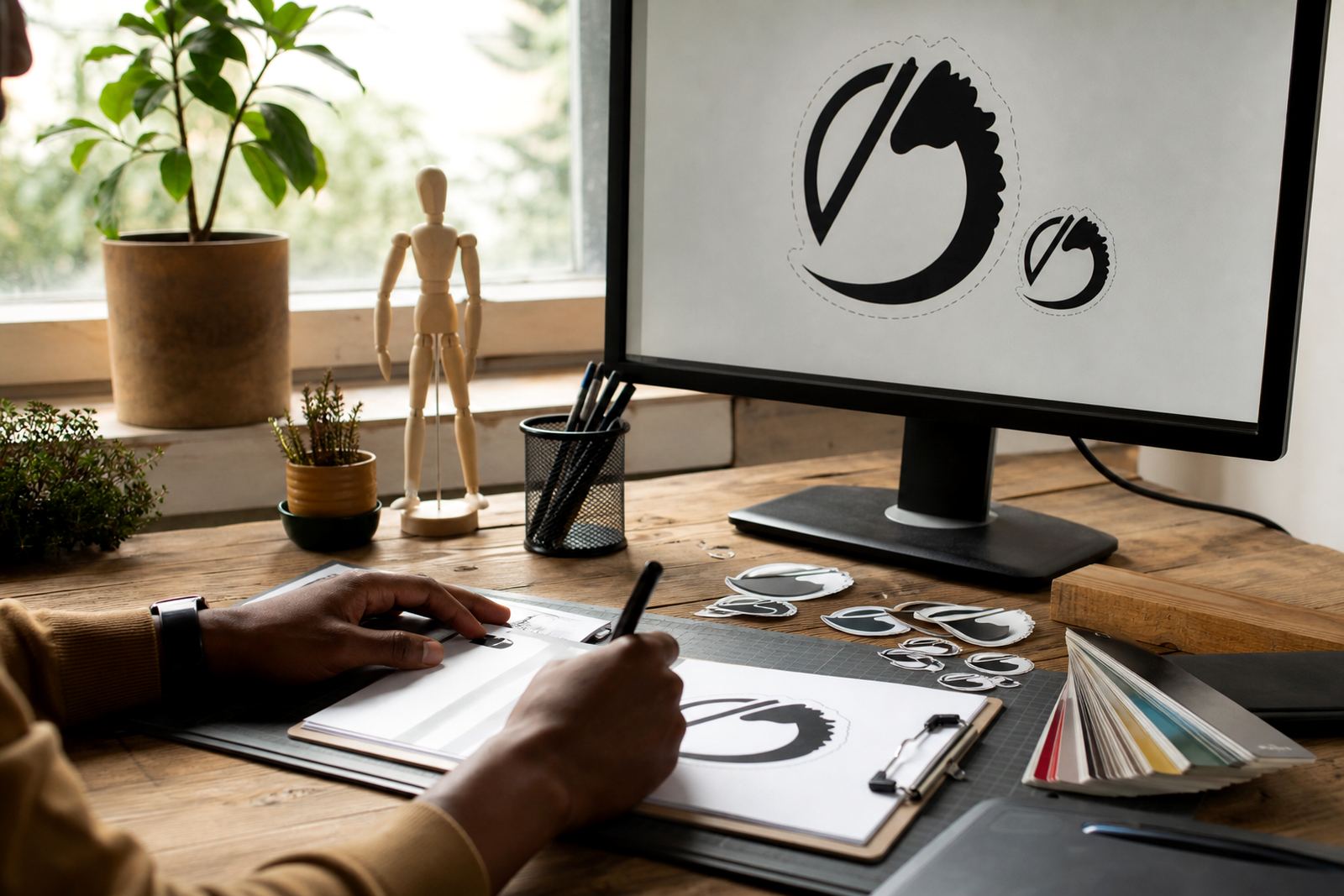
What a contour cut redraw does for your artwork
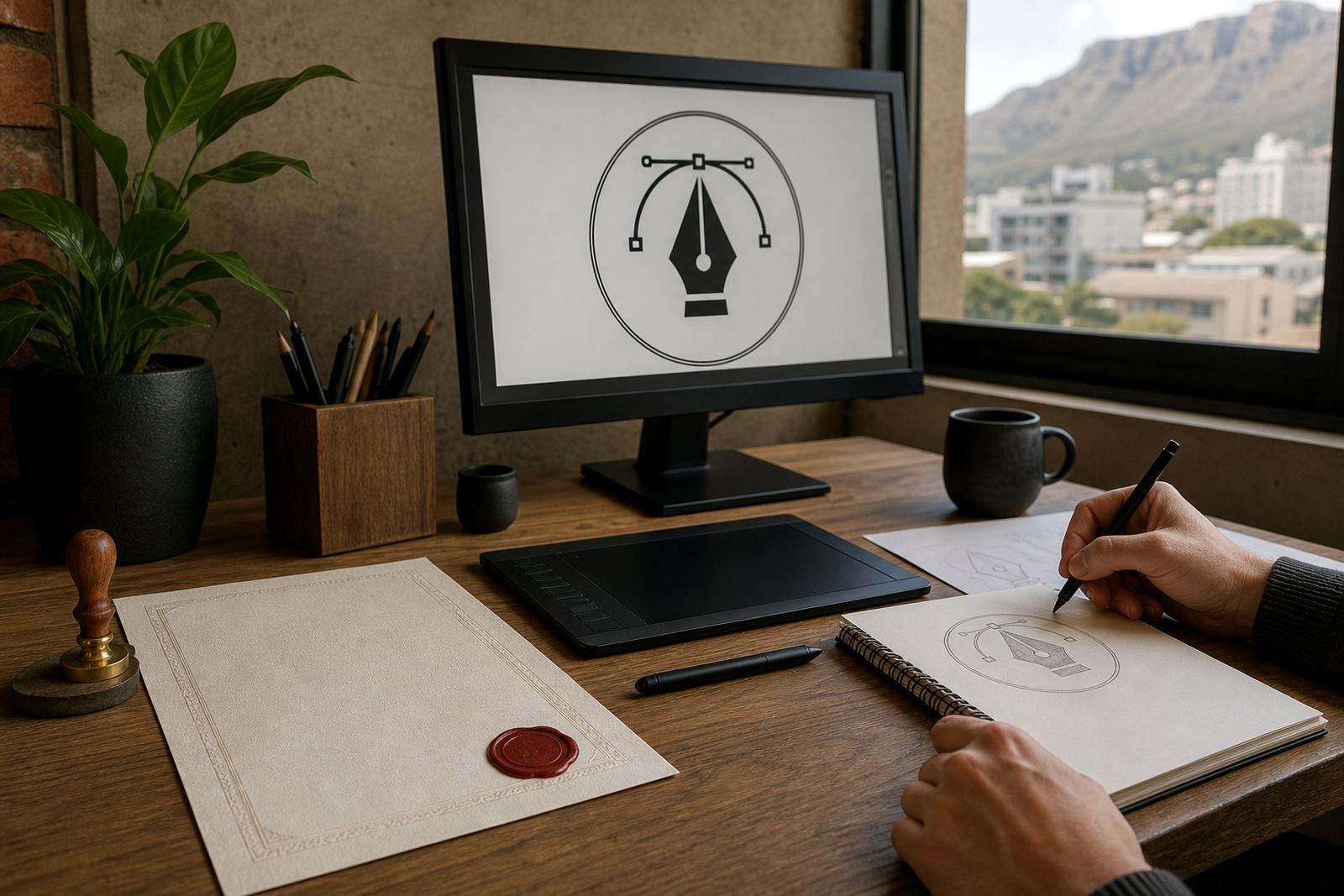
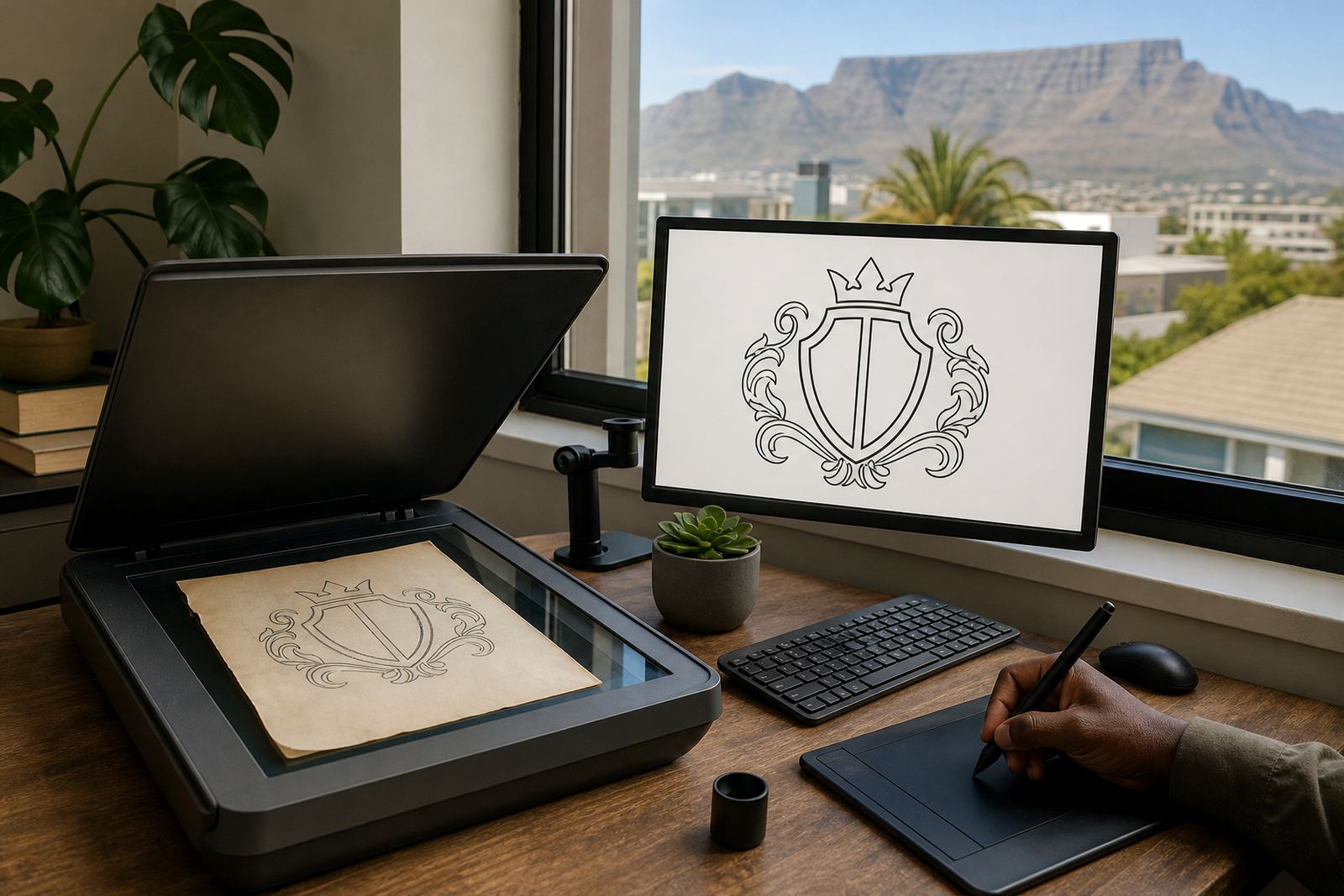
A contour cut redraw creates a clean vector outline around your artwork so cutters can follow one precise path. It is used for stickers, decals, labels, cut lettering, packaging accents and display pieces where the outer shape matters just as much as the image inside it. If you send a rough bitmap, a low resolution logo, or a sketch that was never set up for cutting, we redraw the shape so the final file can be used properly.
For many jobs the difference is in the edge quality. Bitmap tracing can be useful for simple artwork, but a hand redraw is often better when the line needs tidying, curves need balancing, or small details must be controlled. That matters on items that will be trimmed close to the artwork, especially when the cut line sits only a few millimetres from text or fine illustration.
Where contour cut files suit local production
Contour cut redraws suit businesses that need a neat outside shape for short runs and repeat production. Common uses include shop decals, laptop stickers, product labels, window graphics, vehicle branding elements, point of sale stickers, and promotional cut-outs. They also work well for packaging inserts and seasonal campaign pieces where the shape is part of the message.
- Vinyl decals for windows, doors and internal walls
- Stickers for products, jars, cartons and sleeves
- Cut graphics for signage and display boards
- Custom shapes for events, launches and campaigns
- Labels that need a precise outer boundary
In Cape Town, Johannesburg, Durban, Pretoria and Bloemfontein, the same file may be used by signwriters, print shops and in-house marketing teams. Coastal humidity, sun exposure and frequent handling can all affect the final application, so the cut line and artwork should be set up with the end use in mind.
File formats, sizes and redraw options
We supply vector artwork in formats such as SVG, EPS, PDF and AI, depending on what the production team needs. If the job only needs a simple shape, we can build a clean contour path around supplied art. If the original is messy or damaged, we can rebuild the artwork and the contour together so the file is easier to use across different machines and suppliers.
- SVG for web and compatible cutting workflows
- EPS for general print and production use
- PDF for sharing proofs and approved artwork
- AI for editable master files where required
Sizes are usually set by the final application rather than a fixed template. A sticker may need a 2 mm to 3 mm bleed beyond the cut line, while a larger decal may need more room for installer tolerance. If the artwork is being reduced to a small size, we check fine lines, counters and spacing so the cut remains practical and legible.
What to send before we start the redraw
Please only send artwork that you own or have the right to use. That includes logos, illustrations, sketches, scans, old PDFs, photographs of artwork, or rough samples you want rebuilt. The better the source material, the more accurate the redraw can be, but even damaged files can often be improved if the main shape is still readable.
When ordering, it helps to confirm the final size, the material, the type of cutter or printer being used, and whether the cut line should sit outside the art or inside it. If the item will be handled a lot, washed, or exposed outdoors, mention that too. We can then factor in line thickness, corner shapes and spacing that suit real use rather than just the screen view.
- Final width and height in mm or metres
- Intended surface, such as glass, metal, board or packaging
- Whether the artwork will be printed, cut only, or printed then cut
- Preferred file format for production
- Any text that must stay editable or accurate
Artwork preparation and production use
Contour cut files are made for production, but the final result still depends on how the graphic is installed. Small decals need a clean surface, a steady hand and the right application method. Larger graphics may need alignment marks, transfer tape, release liners or a second set of hands. On site, dust, damp walls, wind and direct sun can make fitting harder, so the surface should be prepared before application begins.
No special setup is needed for the artwork file itself, but production still depends on the printer or sign maker's usual workshop process. In most cases the main point is not the machine, but the consistency of the cut path. A good vector redraw helps reduce lift points, snagging on corners and awkward trimming that slows sign production later on.
Care, servicing and what to check after delivery
Once your contour cut artwork is supplied, store the master file safely and keep a copy with the approved proof. If the design changes later, even by a few millimetres, the cut line should be checked again before production starts. This is especially useful for packaging runs, menu updates, seasonal stickers and repeat signage where reprints happen often.
Before sending the file to print or cut, check the following:
- Text is spelled correctly and sits inside the safe area
- The contour line follows the intended edge, not a rough trace
- Any white border or bleed is set correctly
- Small details will still cut cleanly at the final size
- The file matches the material and machine setup
For businesses with regular artwork changes, a tidy master file saves time. It also makes reordering easier when branches in Cape Town, Johannesburg, Durban, Pretoria, Bloemfontein, Port Elizabeth, Stellenbosch or Paarl need the same item again.
Key facts
| Service type | Contour cut redraw for decals, stickers and cut graphics |
|---|---|
| Source artwork | Bitmap images, scans, rough drawings, PDFs or old logo files |
| Output formats | SVG, EPS, PDF and AI |
| Typical use | Vinyl decals, labels, packaging, window graphics and sign cut-outs |
| Artwork ownership | Client must own or have rights to all supplied artwork |
| Location coverage | Observatory, Cape Town and nationwide across South Africa |