What a line art redraw actually gives you
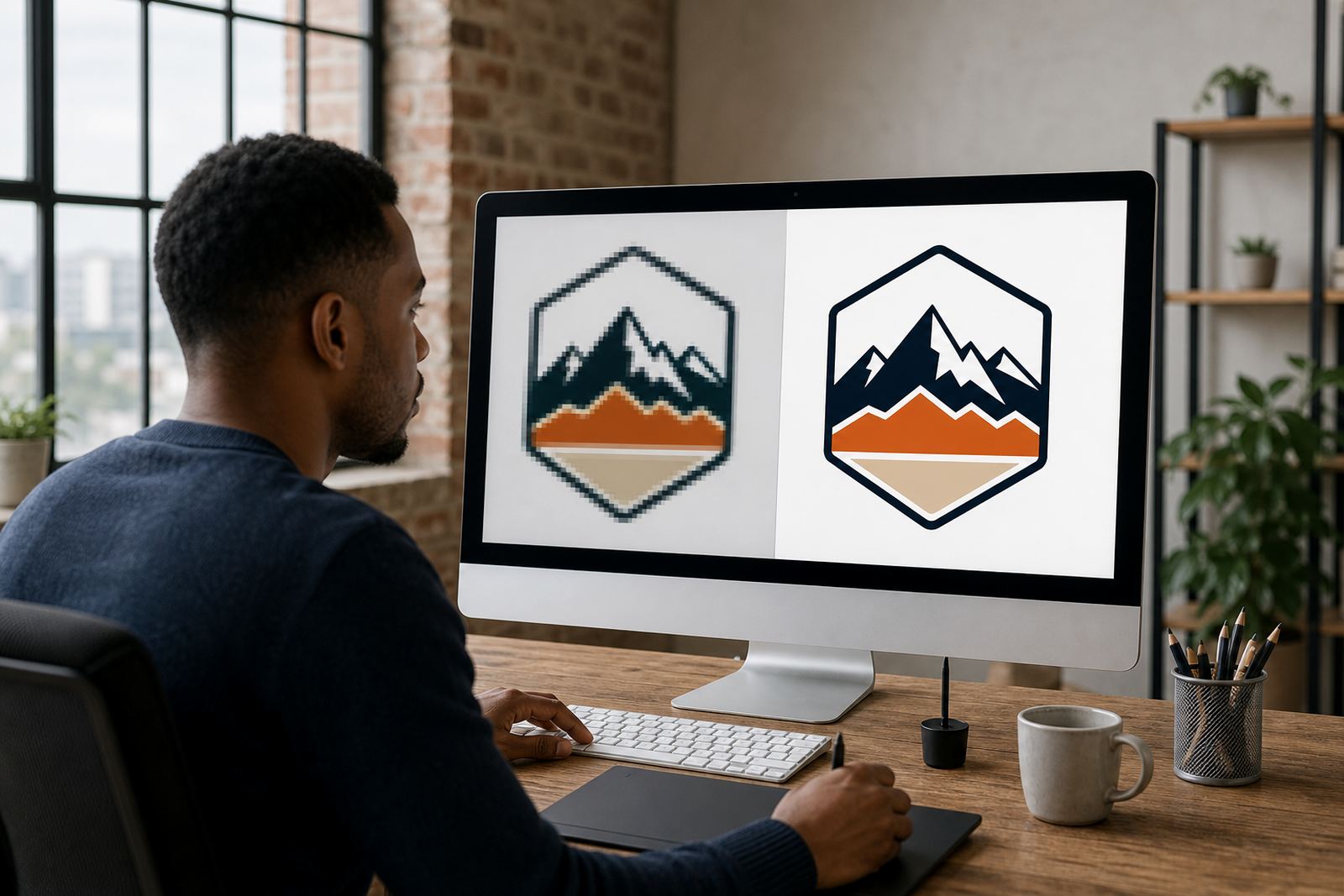
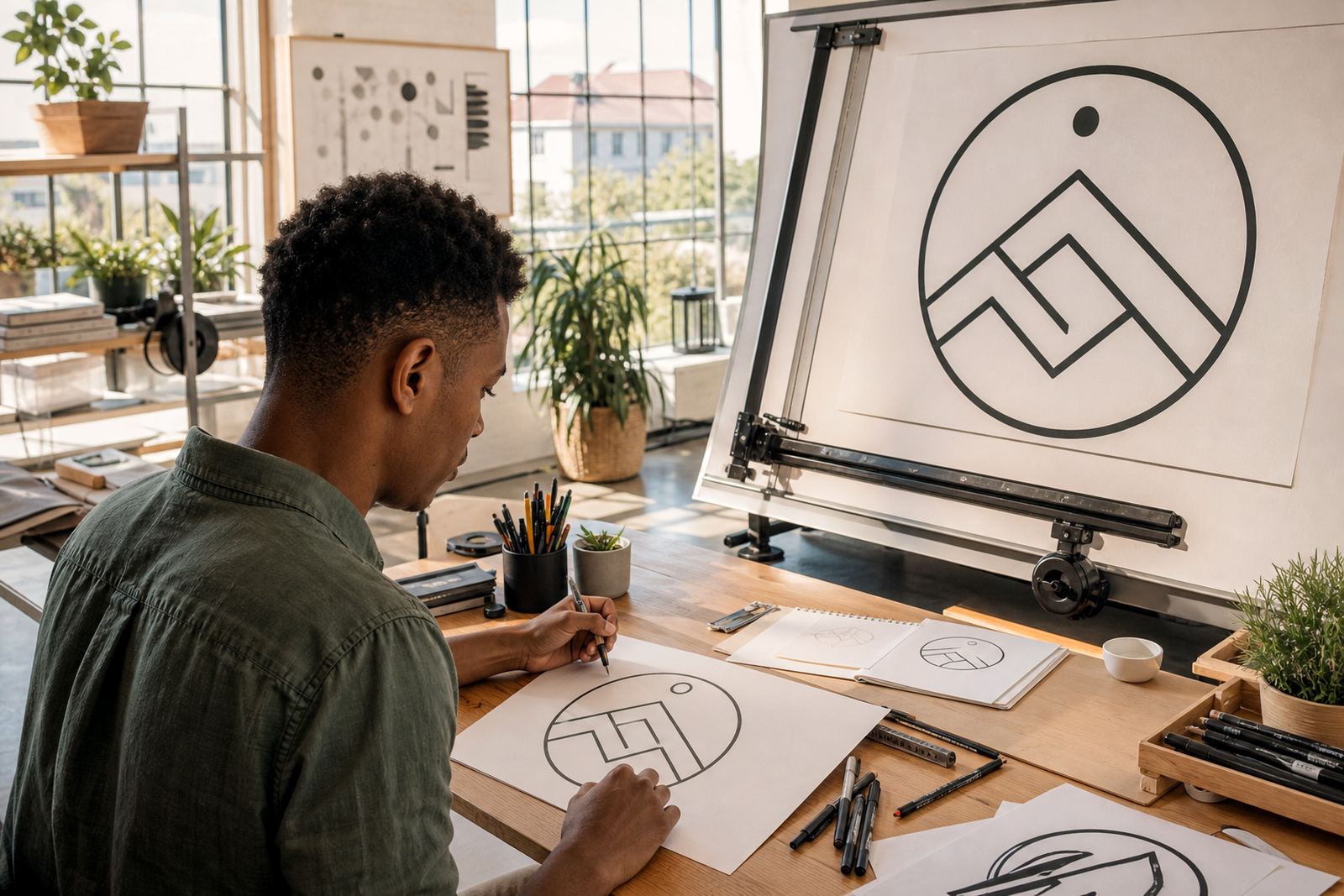
A line art redraw is a clean vector recreation of artwork made from lines, outlines, and simple shapes. Instead of keeping a flat bitmap that can soften when enlarged, we rebuild the piece so the strokes stay crisp at any size. This suits logos, badges, symbols, diagrams, icons, signage marks, and simple product graphics that need to look neat on screen and in print.
For businesses in Cape Town, Johannesburg, Durban, Pretoria and Bloemfontein, this is often the best route when an old file is blurry, broken up, or stuck in a format that is hard to use. We can work from a scan, a photo, or an existing raster file, provided you own the artwork or have rights to use it. If the source is missing parts, we match the original as closely as practical while keeping the linework balanced and readable.
- Best for logos made from strokes, outlines, monograms and icons
- Suitable for small decals, staff shirts, labels and print layouts
- Useful when the original artwork only exists as a low quality image
Bitmap tracing versus hand redraw and illustration
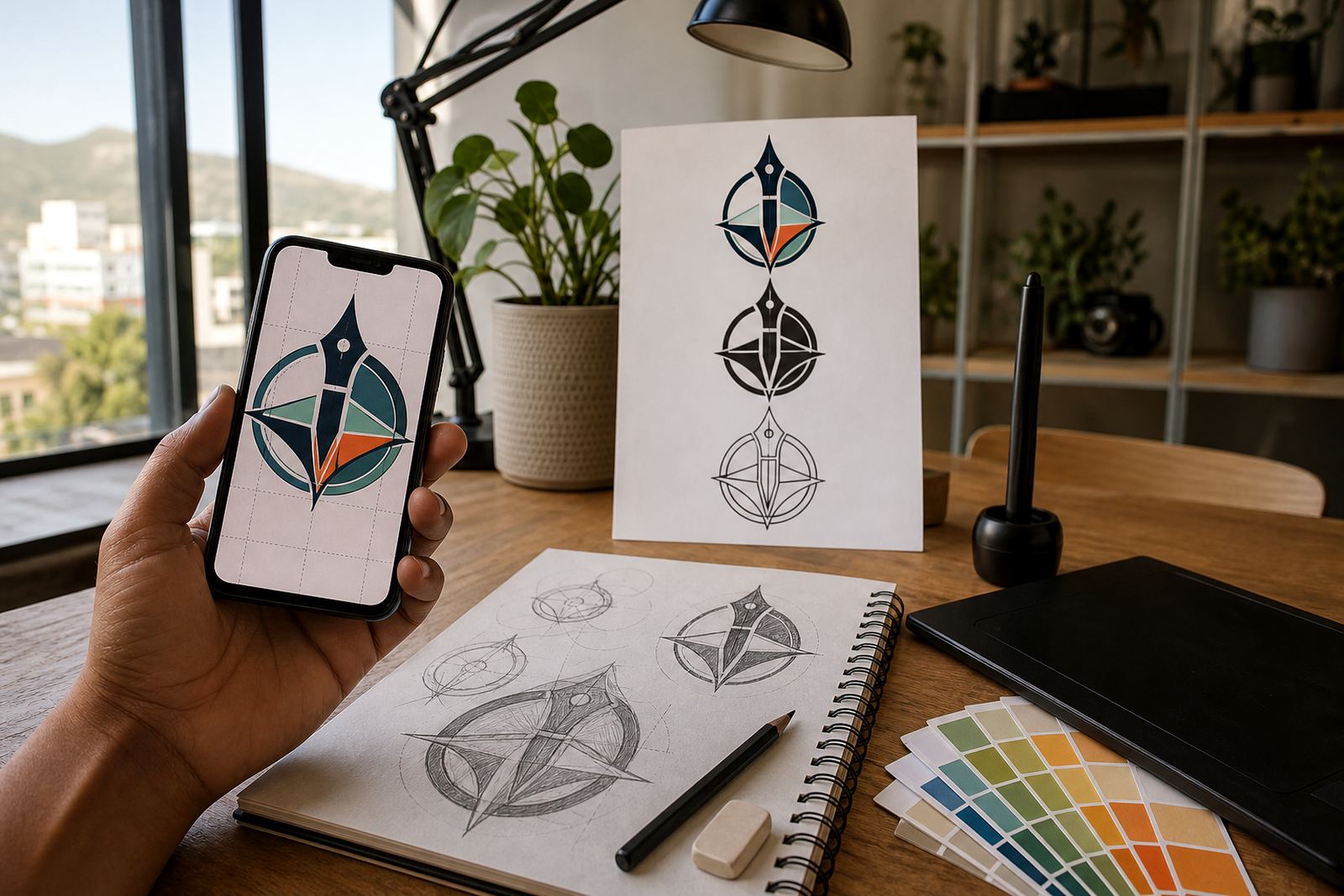
There is a clear difference between tracing a bitmap and redrawing by hand. Bitmap tracing follows the pixels in a source image and can be useful for very simple artwork, but it may carry through rough corners, noisy edges, or uneven stroke widths. A hand redraw gives more control over the curves, joins, spacing, and end caps, which matters when the final piece must look professional at both small and large sizes.
For line art, we usually choose the method that protects the structure of the original while cleaning up weak areas. If a drawing has wobble, patchy line weight, or distorted perspective, a proper redraw is often the better option. When the artwork includes finer illustration detail, we can also rebuild it as a vector illustration rather than a direct trace, so the line flow makes sense and the piece prints cleanly.
- Bitmap tracing: quicker, suitable for basic source files with strong contrast
- Hand redraw: cleaner control over stroke weight, spacing and geometry
- Illustration rebuild: best where the source needs more than a simple trace
File formats and size options for print and digital use
We supply vector artwork in practical formats used by printers, sign makers and marketing teams. Common deliverables include SVG, EPS, PDF and AI, depending on the artwork and how you plan to use it. The point of vector line art is that it can scale from a small label to a large shopfront without losing edge quality. That matters for packaging, vehicle decals, embroidery guides and municipal submissions where neat technical artwork is expected.
There is no fixed physical size because vector files are resolution independent, but we do prepare artwork for the end use. For example, a social graphic may need a simplified line version for smaller screens, while a print layout may need a detailed outline with accurate stroke settings. If the artwork will be used by more than one supplier, we can keep the master file tidy and supply exports suited to each handover.
- SVG for web use and flexible digital scaling
- EPS for many print and production workflows
- PDF for proofing, sharing and press-ready delivery
- AI for editable master artwork where required
Where line art redraws work best
Line art redraws suit a wide range of business uses. They are common for logo marks, badge systems, menu graphics, map markers, icon sets, stickers, pattern repeats, infographic elements and simple scene illustrations. We also handle mascot styles where the artwork is mostly built from clean outlines rather than heavy fills or shading.
In South Africa, line art often needs to work across mixed conditions. A file may be used for a printed invoice, a vinyl sign, a courier label, a laser cut panel, or a one-colour stamp. Coastal humidity in places like Durban and Port Elizabeth can affect some physical outputs, so a clean vector master helps the producer keep sharp detail even when the final material or finish changes.
- Brand marks and simplified logos
- Labels, packaging and sticker artwork
- Icons, maps, badges and menu graphics
- Pattern elements and line-based illustration sets
What to check before you send artwork for redraw
Please make sure you own the artwork or have permission to use it before sending it through. That includes logos, drawings, sketches, old scans and any reference images. The clearer the source, the more accurate the redraw. If possible, send the highest quality file you have, along with notes on what must stay the same and what may be corrected. A brief written instruction saves time and helps us match the right look first time.
Useful details include the intended use, preferred format, any colour restrictions, and whether the final output must be one colour or multi colour. If the line art has a specific stroke style, such as rounded ends, sharp corners, or uniform width, mention that upfront. We can also work from multiple references when the original is incomplete, but it helps to know which version is the one to follow.
- Confirm ownership or usage rights for the source artwork
- Send the clearest file available, not a compressed screenshot if you can avoid it
- State the final use: print, web, signage, packaging or decals
- Note any non negotiable details such as stroke weight or spacing
How we prepare the file for production
Once the line art is redrawn, we tidy anchor points, smooth curves, and check spacing so the artwork behaves properly in different production systems. This is important for screen printing, vinyl cutting, laser engraving and offset printing, where messy geometry can cause problems. We also keep an eye on line consistency, because a stroke that looks fine on screen may print too thin or too heavy if it is not set correctly.
For client handover, we can supply the master vector plus exports for the job at hand. If you need the artwork for a printer in Stellenbosch, a sign shop in Pretoria, or a packaging run in Johannesburg, we can prepare the file in the format that fits the next step. In practical terms, that means fewer back-and-forth revisions and less risk of the artwork being resized badly by accident. We keep the file organised so it is simple to reuse later.
Care, updates and ongoing use of your redraw
Vector line art is low maintenance once it is done properly. Keep the master files in a safe place, back them up, and avoid editing them in a way that introduces fuzzy edges or broken paths. If the brand changes later, it is usually easier to update the vector source than to start again from a low quality image. That applies to new branch names, refreshed labels, or a cleaned up line system for a larger product range.
If you need further illustration work, we can extend the same style into custom brand icons, mascots, packaging illustration, map illustration, menu illustration, sticker illustration, pattern illustration, infographic illustration, badge illustration, scene illustration, or social graphics. The key is consistency, so the line work carries through from one piece to the next without looking patched together.
- Store the master files safely and back them up
- Use the correct export for each printer or digital platform
- Request updates from the vector source rather than from a screenshot
Key facts
| Service type | Line art redraw and vector recreation |
|---|---|
| Source files accepted | Scan, photo, bitmap image or existing artwork |
| Output formats | SVG, EPS, PDF, AI |
| Style focus | Consistent stroke weight, spacing and clean joins |
| Typical uses | Logos, badges, icons, diagrams, stickers and packaging |
| Service area | Observatory, Cape Town and clients across South Africa |