What we need before we start a redraw
When you ask us to redraw a logo or create a fresh vector version of existing artwork, please make sure you own the artwork or have written permission to use it. This applies to logos, icons, illustrations, mascots, labels, patterns and any other graphic you send through. If the file belongs to your business, that is usually straightforward. If it was created by another designer, agency or printer, check that you have the right to have it worked on again.
We work from supplied artwork with care, but we cannot take responsibility for rights issues that sit outside the scope of the brief. If a company, municipality or supplier asks to see proof, it is best to have that ready before sending the job. It saves time later and avoids awkward stops in the approval stage.
- Send files you created yourself, or files you are allowed to use.
- Keep any license, written approval or source document handy.
- If the artwork is shared between more than one party, confirm who controls final approval.
Bitmap tracing and hand redraw are not the same thing
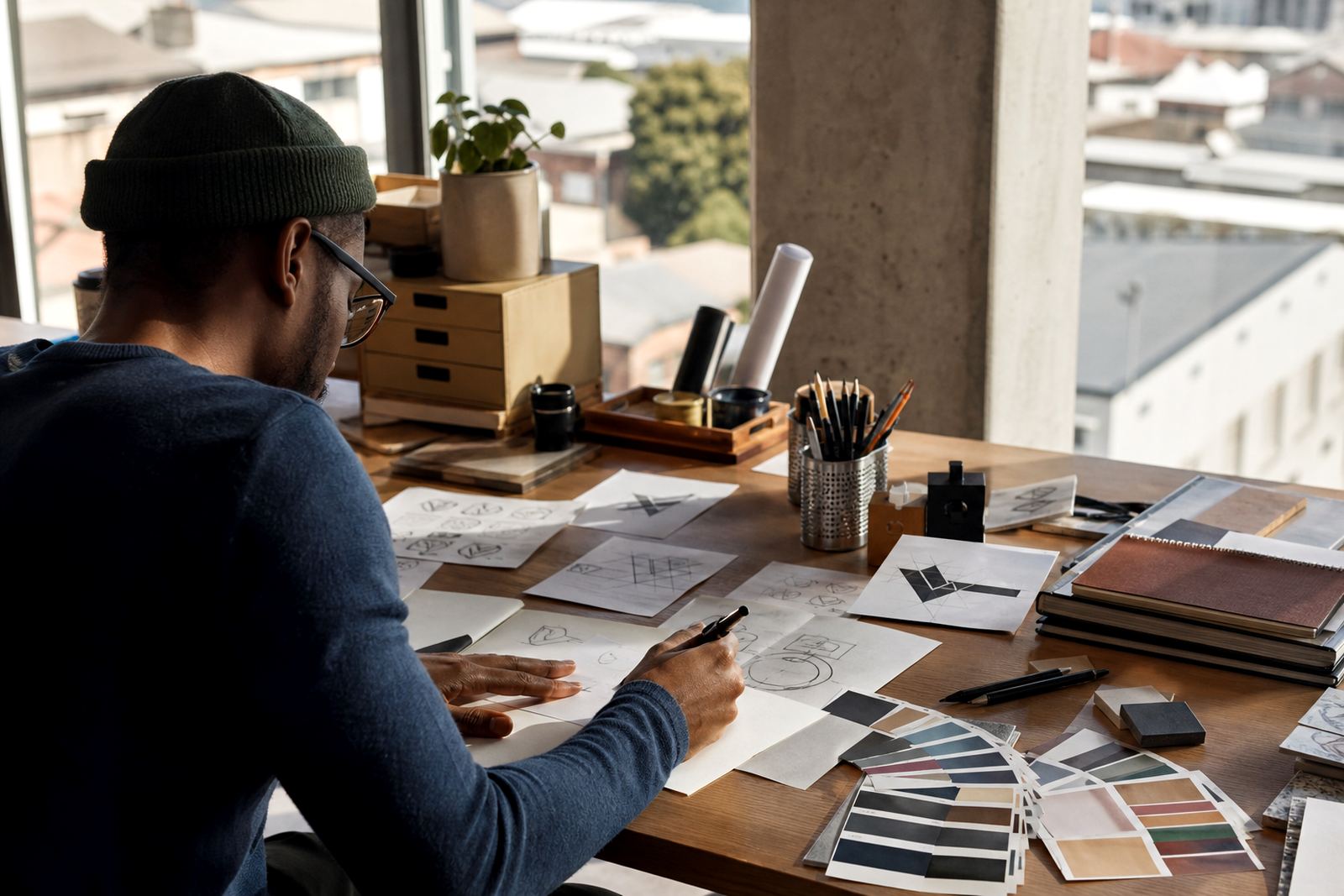
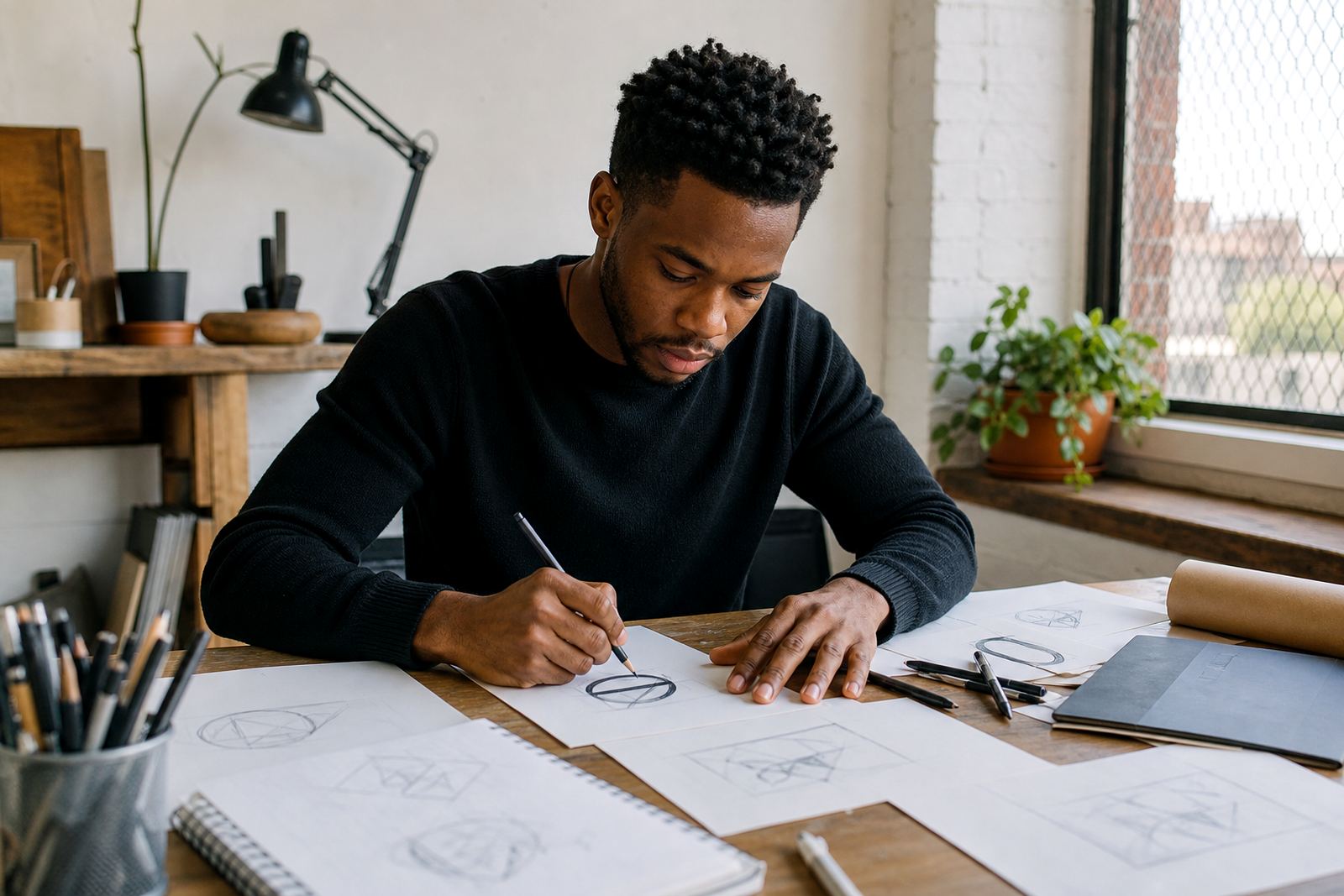
People often ask whether we can simply trace a bitmap image and turn it into a vector file. In some cases tracing is the starting point, but it is not always the best route. A bitmap image is made of pixels, so tracing follows those pixels and can carry through rough edges, uneven curves and low quality detail. A hand redraw gives us a cleaner path, because we rebuild the artwork shape by shape for better line quality and stronger output at larger sizes.
For a simple icon or a basic shape, tracing may be suitable if the source is clean. For a logo with thin joins, small type, fine curves or old scan marks, a hand redraw usually gives better results. The same applies to mascots, packaging art and line illustration where the final vector must stay sharp across print and digital use.
- Use tracing for clean source art where detail is already solid.
- Use hand redraw for low resolution scans, rough artwork or tricky curves.
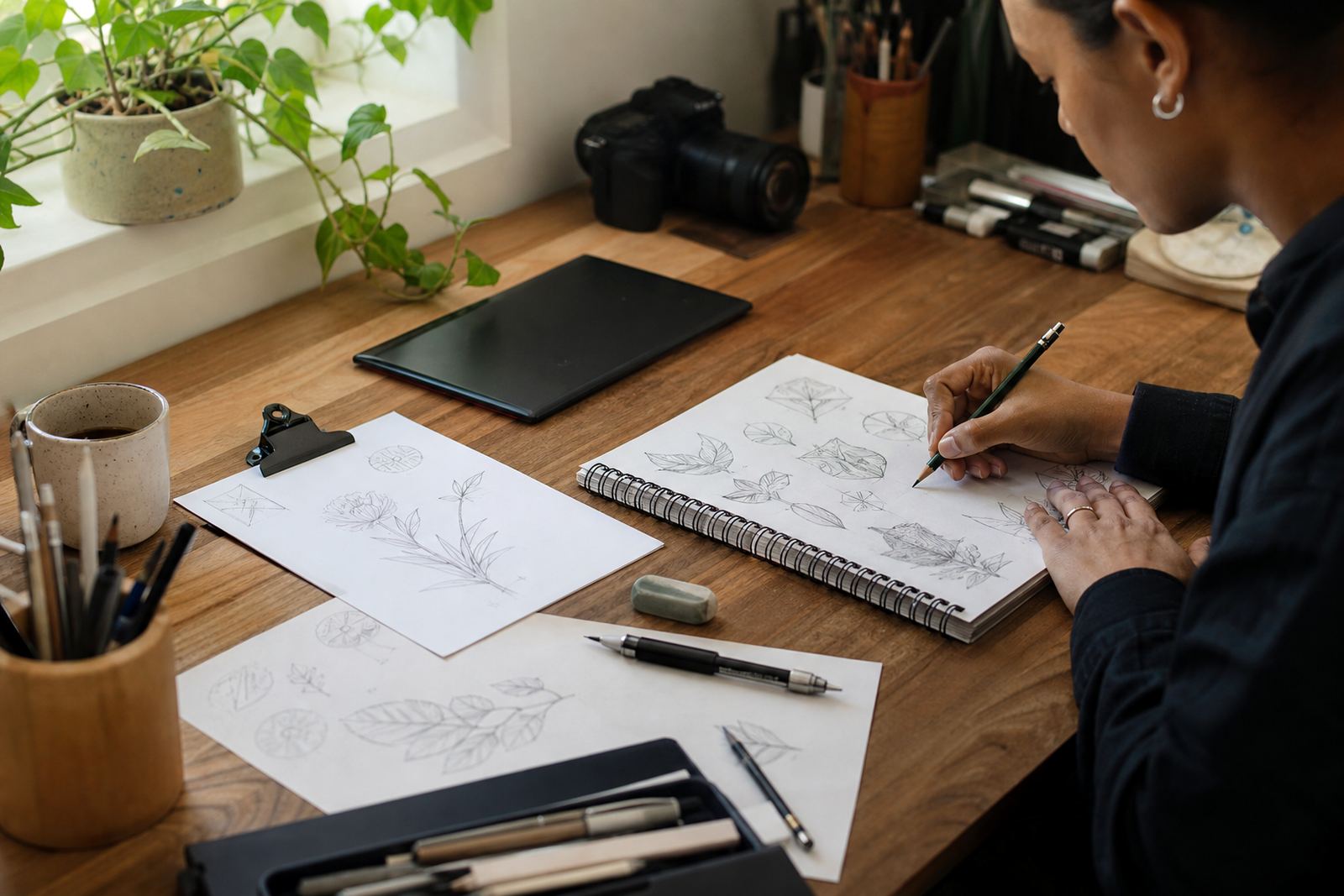
- Use illustration work when the brief needs a fresh, drawn-from-scratch result.
Your rights to the artwork you submit
We may ask you to confirm that you have the right to submit the artwork and to have it redrawn, adapted or converted. That includes names, symbols, characters, maps, packaging labels, badges and social graphics. If the file includes a third party logo, copyrighted illustration or a photo pulled from somewhere else, make sure you are entitled to use it. If not, we will need a replacement file or clear written permission before proceeding.
For businesses in Cape Town, Johannesburg, Durban, Pretoria and Bloemfontein, this is especially important where artwork will be used on packaging, signage or marketing material that must meet municipal or print requirements. A quick rights check at the start helps prevent reprints, delays and disputes later on.
- Do not send artwork if you are unsure who owns it.
- If someone else made the original, get approval first.
- For joint projects, confirm who can approve the final artwork file.
Vector file formats we can supply
Once artwork is cleared and the redraw is complete, we can supply practical vector formats for production and everyday use. The most common formats are SVG, EPS, PDF and AI. SVG is often used for web and digital systems, EPS suits many print workflows, PDF is easy to review and pass around, and AI is useful for source editing where needed. We can advise on which format fits your printer, sign maker or internal team best.
Vector files are useful because they scale without losing sharpness, from a small sticker to a large storefront sign. They also help with clean colour separation, line work and shape control. If your art needs to go to embroidery, laser cutting or packaging plates, the file setup matters and should be checked early.
- SVG for digital and web use.
- EPS for print and production workflows.
- PDF for sharing and proofing.
- AI for editable source files where required.
What to send with your approval request
When you contact us through the enquiry form, include the artwork file and a short note about where it came from. If you have permission from the original creator, attach that too. It helps to mention whether you need a logo redraw, a clean vector version, a mascot illustration, a map illustration or another branded asset. The more context we have, the easier it is to match the file to the right production method.
If the artwork is old, faint or scanned from print, tell us that up front. If the file is from a supplier, print shop or an ex designer, note that as well. We can then tell you if a bitmap trace may be enough or if a full hand redraw is the safer route. That little detail can make a big difference to the end result, especially for coastal humidity, small text and busy layouts.
- Upload the best available version of the file.
- Say who created it and who approves it.
- Tell us where the logo will be used
If you do not own the file yet
If you are not sure whether you own the artwork, pause before sending it in. Check your original agreement, ask the person who created it, or confirm with your employer or client if the file sits under their control. If you need new artwork based on an idea rather than a protected file, we can usually move ahead once the brief is clear and the rights issue is sorted.
For businesses across South Africa, that step is worth doing properly. It keeps the process clean from start to finish and protects everyone involved. If you are ready to proceed, send the enquiry through our contact page and tell us what you need. We are based in Observatory, Cape Town and support clients nationwide, including Port Elizabeth, Stellenbosch and Paarl.