What to send first
Start with the best version you have of the artwork, even if it is not perfect. A clear photo, a scan, a PDF, a screenshot from a website, or an old business card can all help us identify the shape, spacing and detail of the mark. If you have several versions, send them all and tell us which one is closest to the original.
Please only send artwork that you own or have permission to use. If the logo belongs to a former employer, a supplier, or another designer, include written confirmation that you have the right to use it. That helps us avoid delays and keeps the process clean from the start.
How to package your files and notes
Put everything in one message through the enquiry form on our contact page, then add short notes about what you need. If the artwork has faded, is cropped, or has been copied too many times, say so. Tell us where the final file will be used, because a logo for embroidery, signage, print or web may need slightly different setup.
- Send the original file if you have it, plus any backup copies
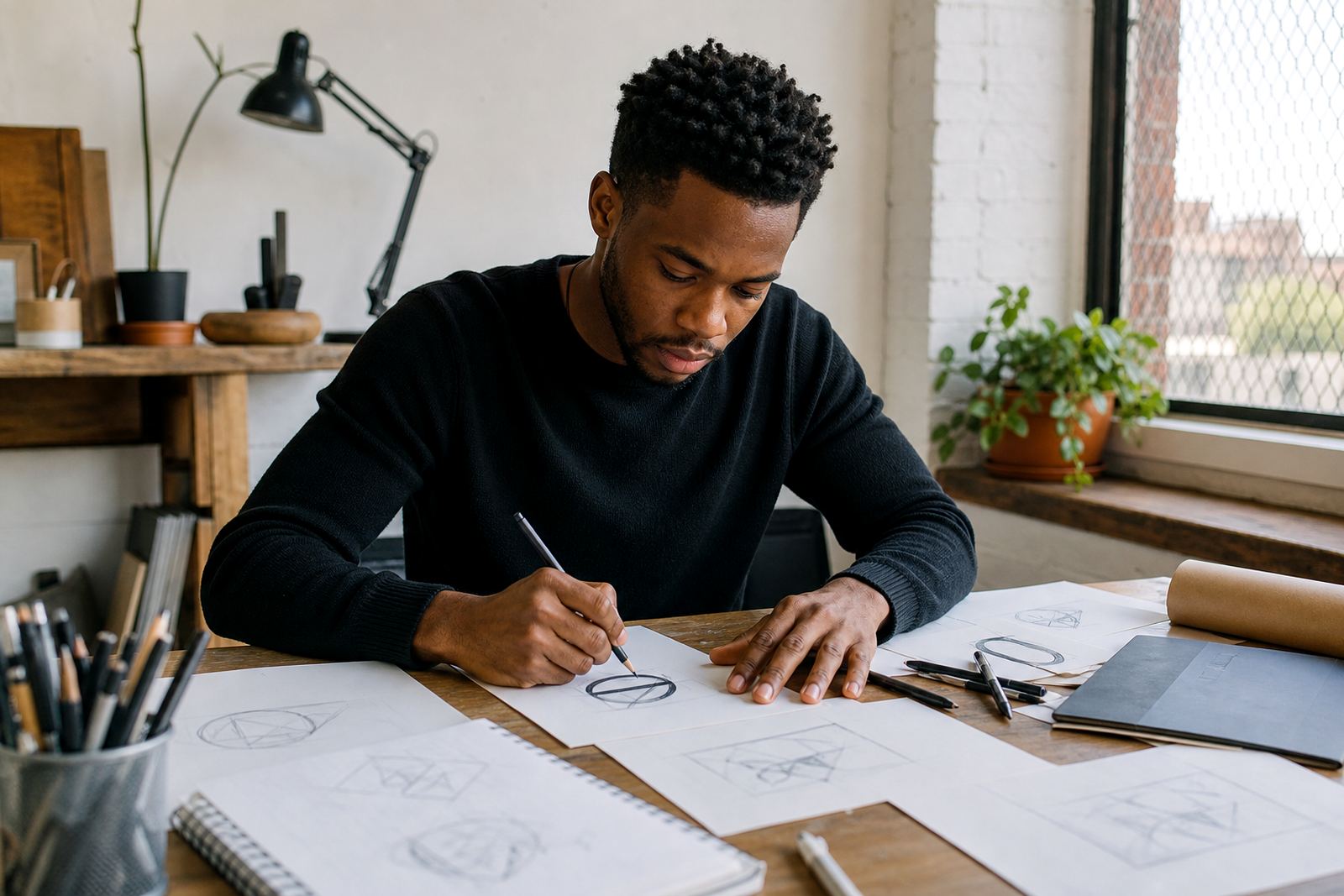
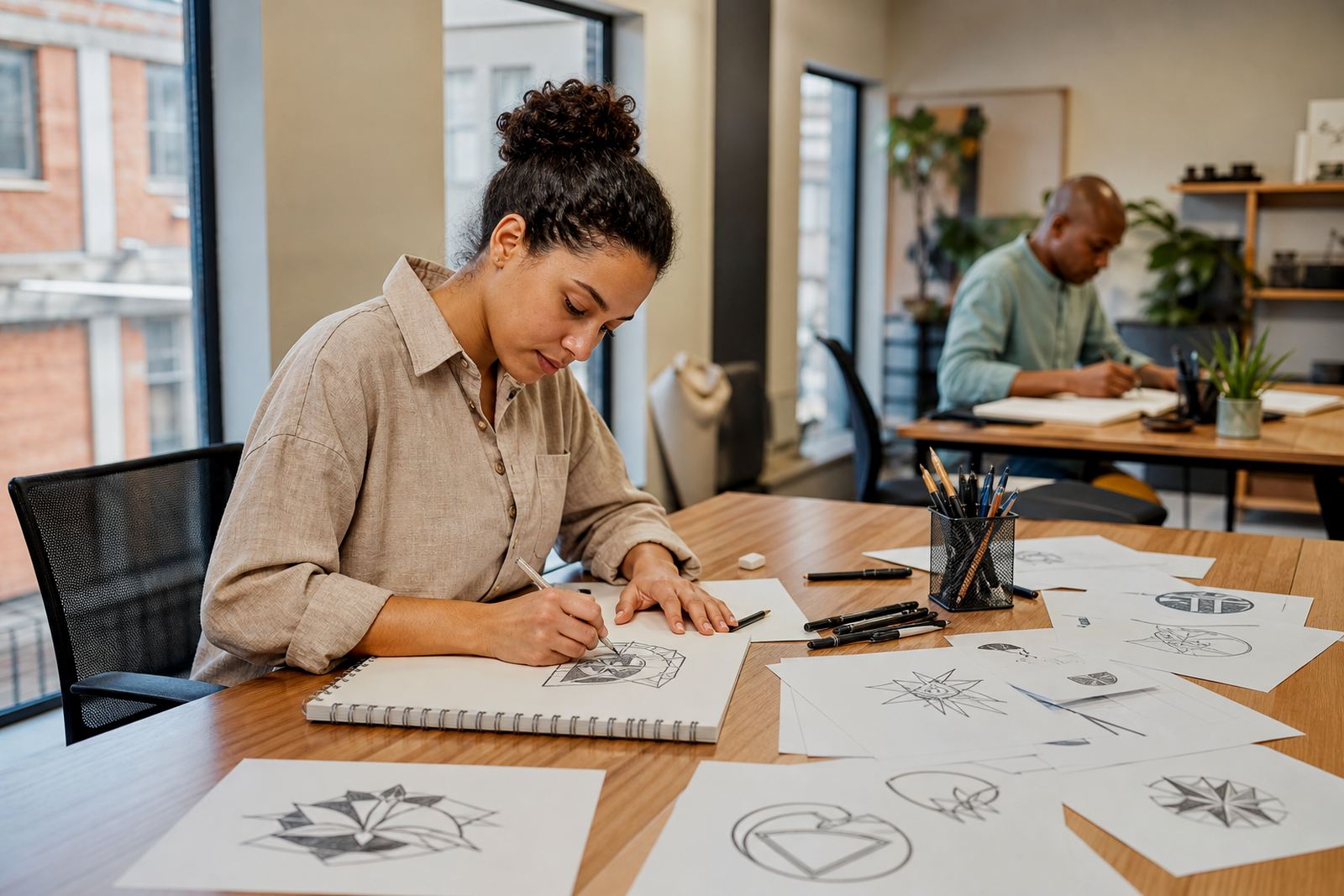
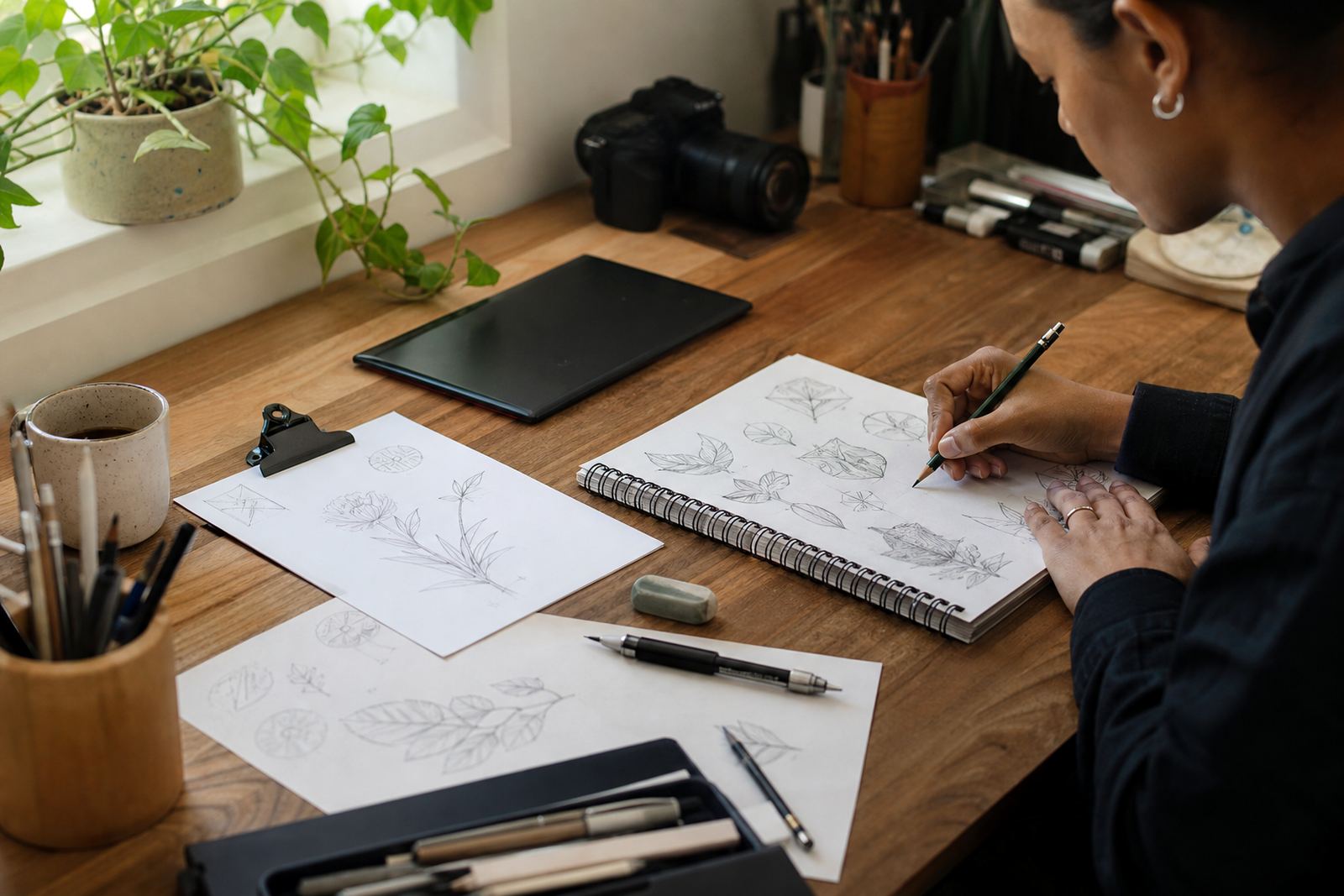
- Include sketches, handwritten notes, or a photo of the sign or packaging
- List the exact wording that must appear in the final artwork
- Confirm any spelling, spacing, colour, or layout changes
- Tell us if you need an SVG, EPS, PDF or AI file at the end
If you are based in Cape Town, Johannesburg, Durban, Pretoria, Bloemfontein, Port Elizabeth, Stellenbosch or Paarl, the same process applies. We work with businesses across South Africa, including places where print deadlines move quickly and a reprint is already booked.
Bitmap trace or hand redraw
Not every source file should be handled the same way. A bitmap trace can be suitable when the logo is simple, the lines are clean, and the artwork only needs to be converted into vector format for scaling. A hand redraw is better when edges are uneven, details have been lost, or the mark needs a more careful rebuild for print and digital use.
For more detailed jobs, we may recommend a full illustration approach. That suits mascot art, map artwork, menu graphics, badges, patterns, scene illustration and similar pieces where a computer trace would look stiff or inaccurate. The aim is always the same: clean linework, correct proportions, and a file that behaves properly in production.
What happens after review
Once we have your files and notes, we check what can be used as is and what needs rebuilding. If anything is missing, we send a short list of questions so the redraw can begin on solid ground. This stage helps most when artwork has passed through several hands and the file names no longer match the contents.
- We assess the source quality and the amount of redraw needed
- We confirm the final usage, including print, web, signboard or packaging
- We flag colour issues, broken lines, missing text and poor contrast
- We check whether the artwork should be supplied as flat vector or with extra detail
In summer, some printed samples arrive with washed-out colour from heat and coastal humidity, especially near the coast. If that matters for your job, mention where the piece will live so we can advise on the right file type and finish.
Files we can supply at the end
When the redraw or illustration is complete, we can supply the artwork in common vector formats used by printers, sign makers and design teams. SVG is useful for web and digital scaling. EPS remains practical for production workflows. PDF is handy for review and sharing, and AI is often requested when a working master file is needed. We can also prepare versions for black only, full colour, reversed out, or simplified use.
If your file will be sent to a print shop in Johannesburg, a signage team in Cape Town, or a packaging supplier in Durban, tell us how it will be used so we can set it up sensibly. That saves time when a municipal permit, label layout, or reprint is waiting on the artwork.
What to include for specific artwork types
Different projects need different notes. A logo redraw may only need the source mark and the exact spelling. A mascot illustration or brand icon might need a rough pose, style direction, and any items that must appear in the image. A map illustration may need accurate street names, landmarks, and a clear boundary. A social graphic may need crop-safe text, while a sticker artwork may need a cut line and enough space around the edge.
- For packaging illustration, include pack sizes and panel measurements
- For menu illustration, send the page size and how much text must fit
- For badges and line art, mention if the artwork must work in one colour
- For patterns, tell us whether they repeat edge to edge or in a block
- For scene work, explain the setting, mood and any required objects
We are based in Observatory, Cape Town, with Luyanda Mthembu as Managing Director and a team that includes Ayesha Mafokeng, Pieter Skosana, Zanele Kajee, Teboho Molefe and Megan Khoza. The contact form is the easiest way to send your material, and it gives us one place to keep the notes together.
Before you hit send
Check the spelling, make sure the right file is attached, and confirm that you have rights to everything you are sending. If the artwork is old, damaged, or only available as a photo, say so plainly. That helps us judge how much redraw work is needed and avoids back-and-forth later.
Clear source material, short notes and the right usage details give us the best chance of returning artwork that is tidy and ready for production. If your brief changes later, send the update in the same thread so nothing gets lost.