Start with the final use, not just the file name
The right file depends on where the artwork will be used. A logo for a business card, shop sign, embroidered shirt or vehicle decal may all need slightly different preparation, even if the same core artwork is used. For print work, the main aim is clean edges, correct colours and a file that stays sharp at any size.
We usually look at three things first: the output size, the print method and the material. For example, a small label for packaging has different needs to a large vinyl sign in the coastal humidity of Cape Town or Durban, where surface finish and legibility matter. If the artwork is going to a printer, sign maker or clothing supplier, it helps to know their preferred file type before production starts.
- Small items: business cards, labels, stickers and menus
- Large items: signage, wall graphics and vehicle branding
- Special items: embroidery, engraving, screen print or die-cut shapes
When to choose SVG, EPS, PDF or AI
Vector files are built from points and paths, so they scale without losing quality. That makes them useful for print, signage and branded items that may be resized later. The most common formats are SVG, EPS, PDF and AI. Each one has its place, and the best choice depends on who is handling the file next.
SVG is useful for digital use and some print workflows. EPS remains common for trade printers and signage production. PDF is often the easiest handover file because it opens well on many systems and can carry vector artwork cleanly. AI files are often kept for source artwork and editing by design teams. If spot colours, outlines or separate layers are needed, we can prepare the file to suit that workflow.
- SVG for web and some production systems
- EPS for printers and sign makers who want a classic vector format
- PDF for sharing artwork with fewer compatibility issues
- AI for editable source files and further adjustments
Bitmap tracing versus a proper redraw
Some logos start as a low-resolution bitmap, such as a JPG or PNG sent by a client years ago. That image may be fine for a screen, but it can show jagged edges or blur when enlarged. In those cases, bitmap tracing can be used to follow the picture and turn it into vector paths. It is a practical option when the original artwork is limited, but it is not always the cleanest route.
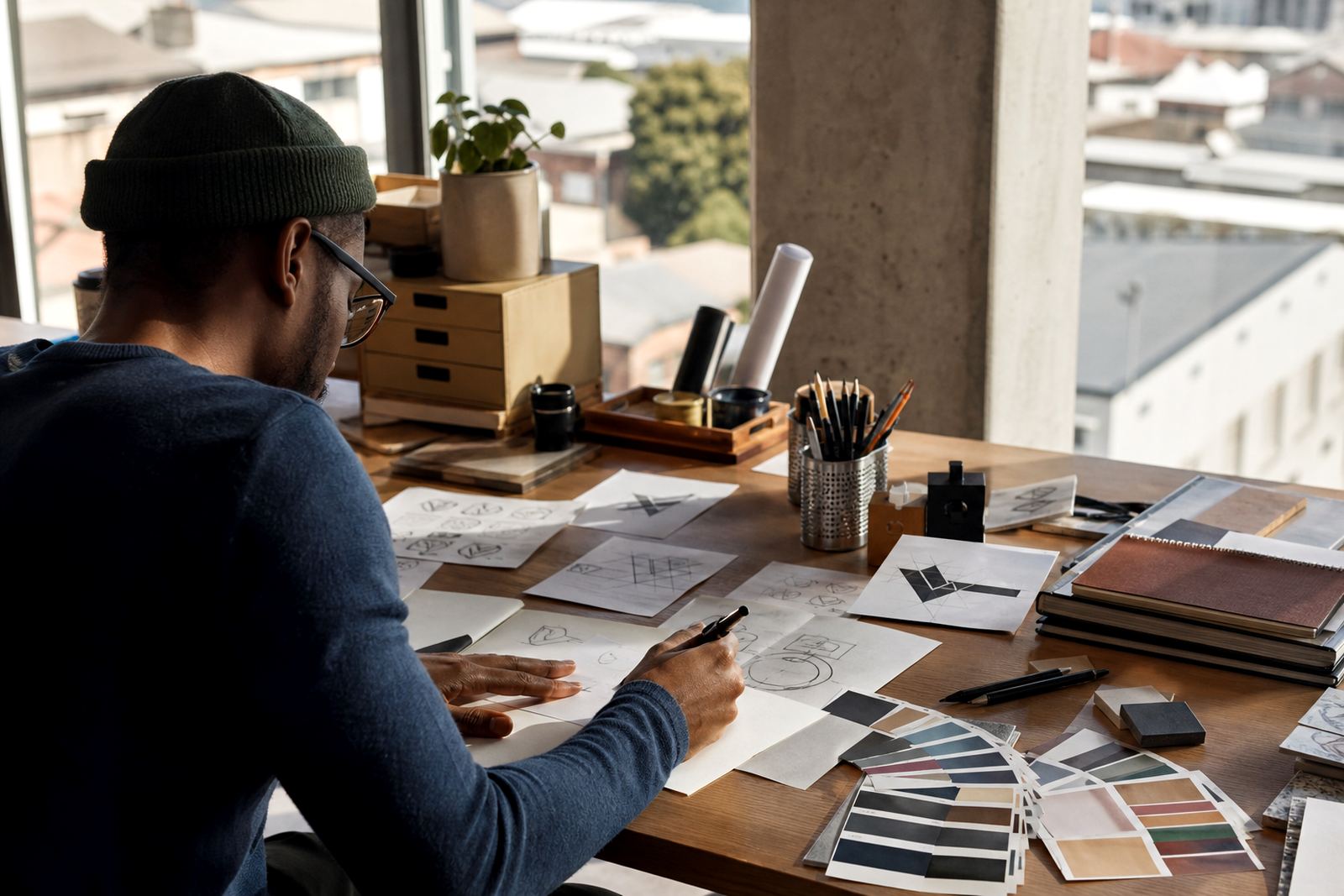
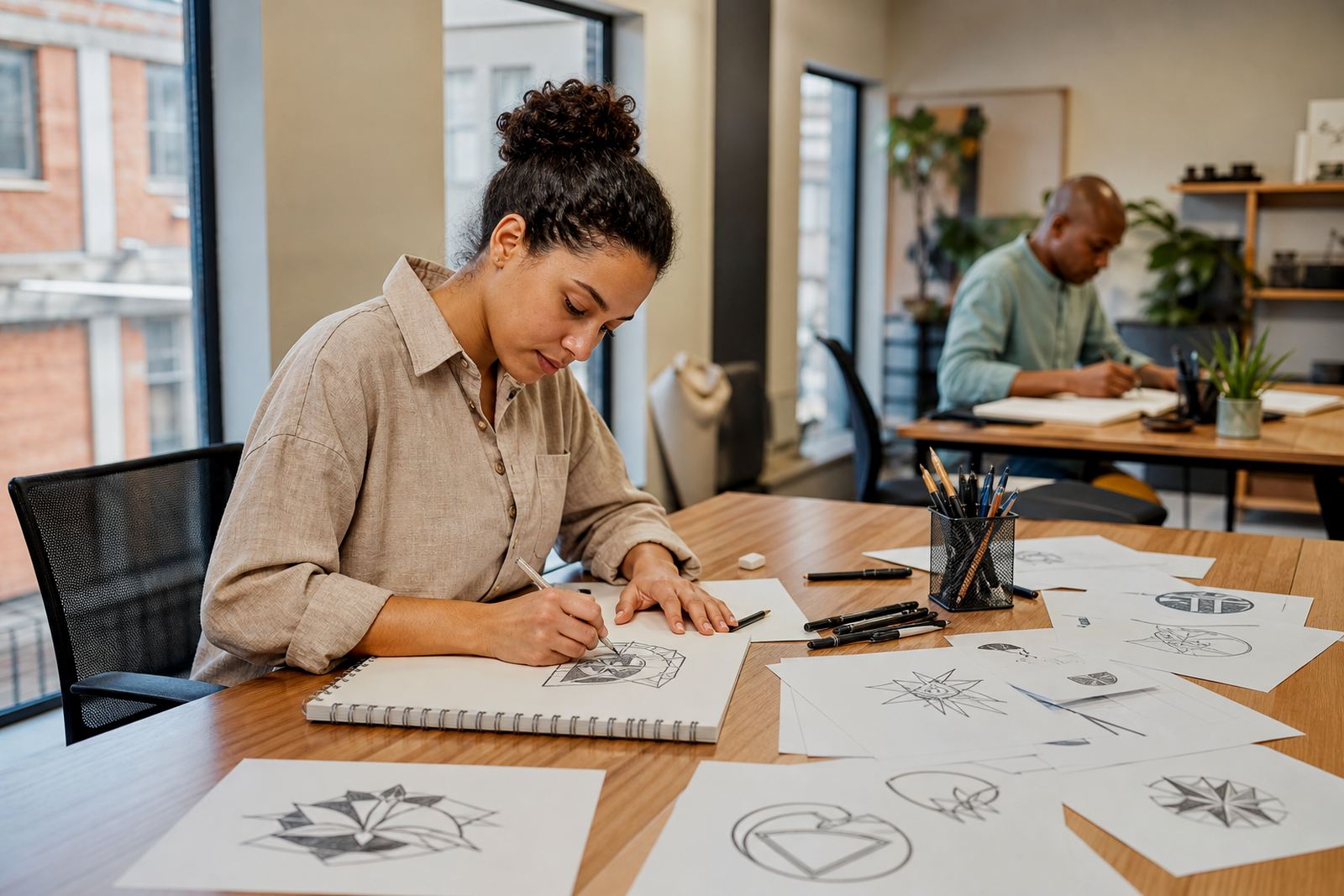
A hand redraw is different. It involves rebuilding the logo or illustration carefully, by eye and by structure, so the lines, proportions and curves are neat from the start. This is often better for old scans, damaged files or artwork that needs a tidy result for print. If a logo has fine detail, awkward shapes or uneven lettering, a redraw usually gives better control than a quick trace.
- Use tracing for simple artwork with clear shapes
- Choose hand redraws for worn scans, rough files or detailed logos
- Ask for illustration work when the artwork needs creative rebuilding, not just conversion
What print suppliers usually need from you
To prepare the correct file, we need to know how the artwork will be used and who will print it. A printer may ask for outlined text, separated colours, a specific page size or a bleed allowance. A sign installer may need the artwork in a format that can be cut cleanly. For branded stationery, the printer may want the logo in one colour as well as full colour versions.
It also helps if you can send the source artwork and any notes about where it came from. Customers must own the artwork they send us, or have the rights to use it. If a logo belongs to another business, or the source file came from somewhere else, please make sure you are permitted to have it redrawn or adapted.
- Tell us the end use: print, signage, embroidery or packaging
- Share size details, especially if it will be enlarged
- Include colour preferences, such as CMYK, Pantone or single-colour use
- Confirm that you own the artwork or have permission to use it
How we help businesses across South Africa
We work from Observatory in Cape Town with businesses in Cape Town, Johannesburg, Durban, Pretoria, Bloemfontein, Port Elizabeth, Stellenbosch and Paarl. Some clients need a logo cleaned up for municipal signage, while others need hand-drawn vector illustrations for packaging, menu boards, stickers or social graphics. The same artwork may need to live on paper, vinyl, board or fabric, so the file has to be prepared carefully.
Our team handles custom brand icons, mascot illustration, map illustration, menu illustration, sticker illustration, pattern illustration, infographic illustration, badge illustration, line illustration and scene illustration. If your artwork must work across different print uses, we can supply the right vector versions and keep the file structure clear for your printer or production team.
If you need help choosing between tracing and redraw, or you are not sure which file type to request, send the details through the enquiry form on our contact page. We will look at the artwork, the intended use and the print process, then guide you to the format that makes sense.
Simple steps before you send the file
Before sending artwork for print use, it helps to check a few basics. A clean start saves back-and-forth later, especially when the job has a tight production schedule or needs to go through a sign shop, printer and installer in sequence.
- Send the clearest source file you have, even if it is old
- Say where the artwork will be used and in what size
- Note if the printer needs a specific format or colour setup
- Confirm ownership or usage rights before requesting a redraw
Once we have that, we can decide whether the artwork needs a full hand redraw, a trace from a bitmap, or a tidy vector export for print. It keeps the process practical, and it avoids surprises on the production side.