When an event logo needs more than a quick resize
Event organisers often arrive with a logo that was saved from social media, pulled from a flyer, or exported too small years ago. That usually shows up as fuzzy edges, broken letters, uneven colour blocks, and awkward results when the artwork is stretched for tickets, lanyards, backdrops, or a sponsor wall. A proper redraw gives the logo sharp edges and tidy proportions so it holds up on both small and large items.
For event use, the right approach depends on what you have and what you need. If the source is already clean and complete, bitmap tracing may be enough for simple shapes. If the logo has rough edges, thin strokes, overlapping pieces or hand-drawn detail, a manual vector redraw is safer. We work from artwork you own or have rights to use, then rebuild it so it can be scaled without losing quality.
Events also move fast. A launch, conference, festival or fundraiser may need one master logo and several supporting pieces for social media, stage screens, signage, name tags and printed material. Keeping the artwork in vector format means the same file can be used by printers, designers and signage teams without rework.
What event teams usually need in their artwork set
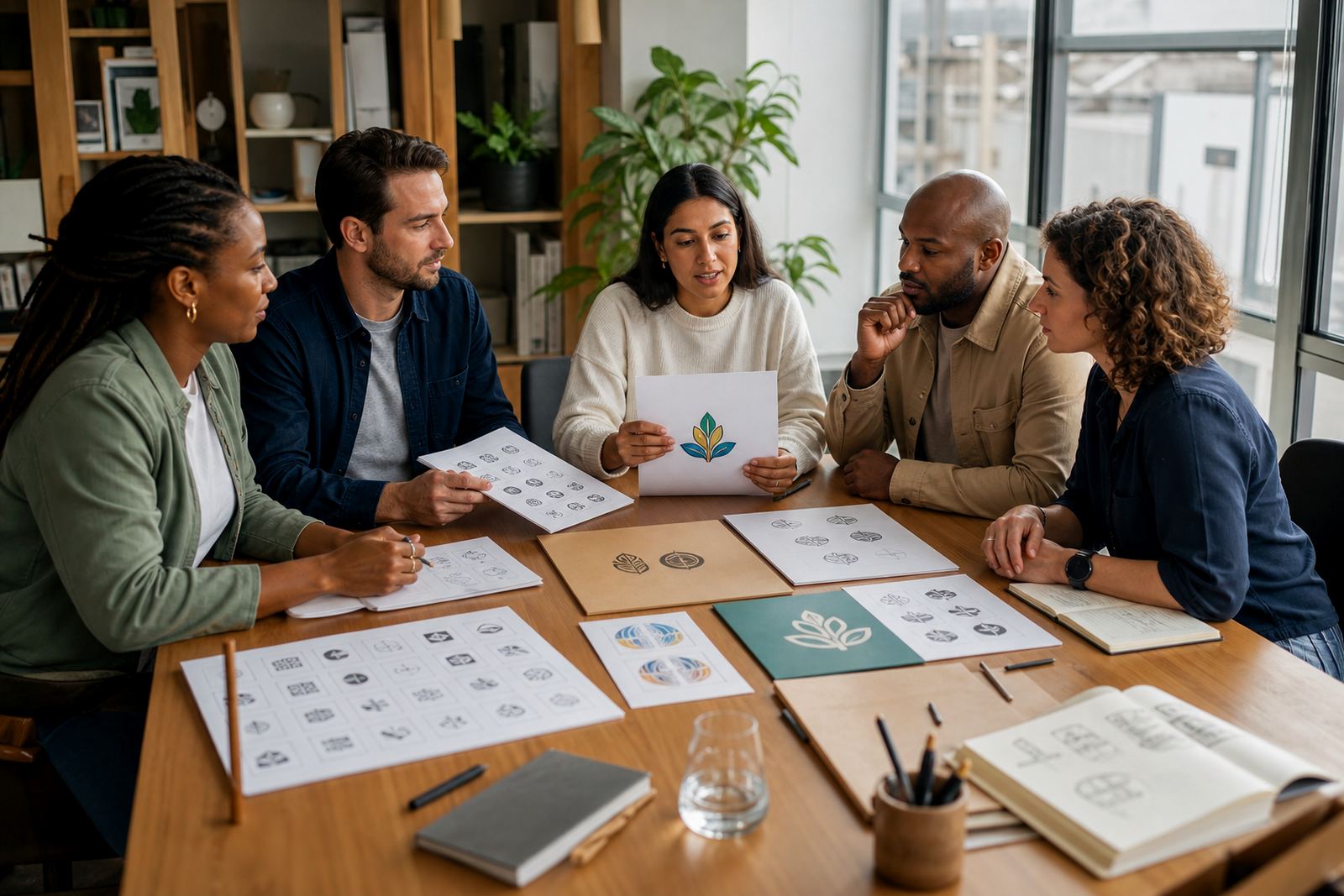
An event package is rarely just one logo. Most teams need a clear system of files that can be used by different suppliers, often under tight deadlines and in different sizes. We prepare event graphics with practical use in mind, so the art can move from concept to print, cut vinyl or digital promotion without extra cleaning up.
- Primary event logo redraw for posters, flyers and banners
- Secondary version for square or narrow spaces
- Black, white and single-colour artwork for stamps, embroidery or one-colour print
- Support graphics for tickets, wristbands and agenda pages
- Icons and illustrations for speaker lists, venue maps and sponsor sections
- Vector files for SVG, EPS, PDF and AI workflows
For larger events, supporting graphics help the layout feel organised instead of crowded. A small badge icon for each track, a map marker for halls, or a line illustration for a themed invitation can make the whole pack easier to read. These details matter on a busy registration table where people are queuing and scanning items quickly.
Planning artwork for tickets, banners and online promotion
Good event artwork starts with the final use case, not the decoration. A ticket needs room for date, venue, seat details and legal notes. A banner needs distance viewing and strong contrast. A social post has to stay legible on a phone screen. When these are planned together, the design stays consistent and the layout works across every format.
For print, ask your team or supplier for the exact size and bleed before any artwork is started. Many ticket and signage problems come from using a file that looked fine on screen but lost key details when trimmed. If the venue is outdoors, factor in sunlight, wind and weather. Cape Town sea air, Johannesburg dust and Durban humidity can all affect material choice, so the artwork should leave enough space for mounting, stitching or finishing.
When planning a set, it helps to keep the logo area clear and avoid too much small text near edges. Strong hierarchy is important. Event name first, then date and venue, then supporting information. If you are using the same artwork for a stage screen and a printed banner, make sure the visual can hold up in both square and wide layouts without forcing awkward crops.
Bitmap tracing versus hand redraw and illustration
Bitmap tracing and hand redraw are not the same job. Tracing follows the pixels in a low-resolution image and can be useful when the original is simple, flat and already well set out. It is often the quickest route for basic shapes, but it can preserve flaws, wobbly edges and poor spacing if the source file is not clean.
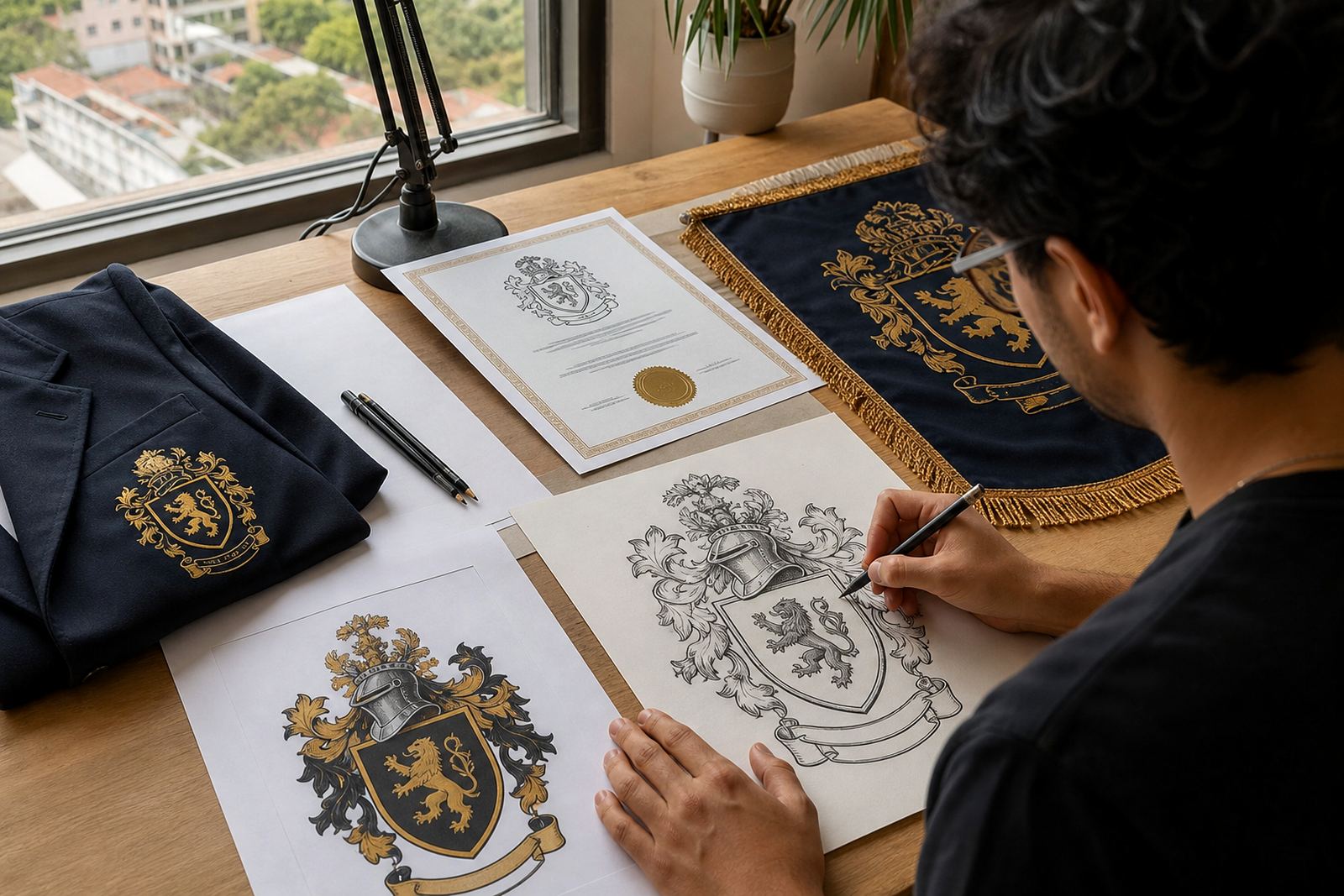
A hand redraw rebuilds the artwork from scratch in vector form. That gives better control over curves, corners, spacing and line weight. It is the better choice for older event logos, hand lettering, mascots, icons and decorative marks that need to look tidy at any size. If the event needs something more expressive, such as a themed illustration for a music night, charity gala or sports day, we can create the drawing in a style that fits the brief.
- Use tracing for simple, clean source art with solid shapes
- Use a hand redraw when the original is blurry, damaged or uneven
- Use illustration when the event needs a custom visual theme, not just a logo cleanup
- Choose vector output when the artwork will be printed large or reused often
Common mistakes that cause problems on event day
One of the most common mistakes is sending a logo with no rights clearance. If the artwork belongs to someone else, the event team must have permission to use it before any redraw or illustration work starts. Another issue is sending only a low-quality screenshot and expecting it to print perfectly on a metre-wide banner. That usually leads to soft edges and a patchy finish.
Events also run into trouble when too many versions of the same logo are used. One supplier gets a stretched file, another gets a flattened image, and the registration counter ends up with a different look from the stage screen. Keeping one approved master file avoids this. It also helps to check spelling, dates and venue names before the files go out. A small typo can become expensive once posters are printed and mounted.
We also see layouts that are too crowded for the space. A sponsor board with too many logos squeezed into one row becomes hard to read from a distance, especially in bright outdoor light. Clear spacing, a simple type system and a well prepared file pack make the whole event feel more organised.
Budget ranges for event vector work in Rand
Budget depends on how much redraw work is needed, how detailed the illustration is, and how many output versions are required. A simple logo redraw for a clean event mark costs less than a hand illustrated mascot, map or full themed scene. If the job includes several artwork formats for different suppliers, the price moves up because each version must be checked for size, spacing and consistency.
For South African events, it is sensible to plan a small allowance for artwork before print production starts. A basic event logo cleanup may sit in a lower bracket, while a fuller illustration set for invitations, stage graphics and promotional items will need a larger allocation. Teams in Cape Town, Johannesburg, Durban, Pretoria, Bloemfontein, Port Elizabeth, Stellenbosch and Paarl often ask for artwork that can be reused across several seasons, which usually makes the cost more practical over time.
If you are comparing options, ask what is included in the final file set. SVG, EPS, PDF and AI formats are useful for different print and design workflows, and a proper handover saves time later. It also avoids last minute scrambling when a supplier needs a different version for a banner, cutter or digital screen.